

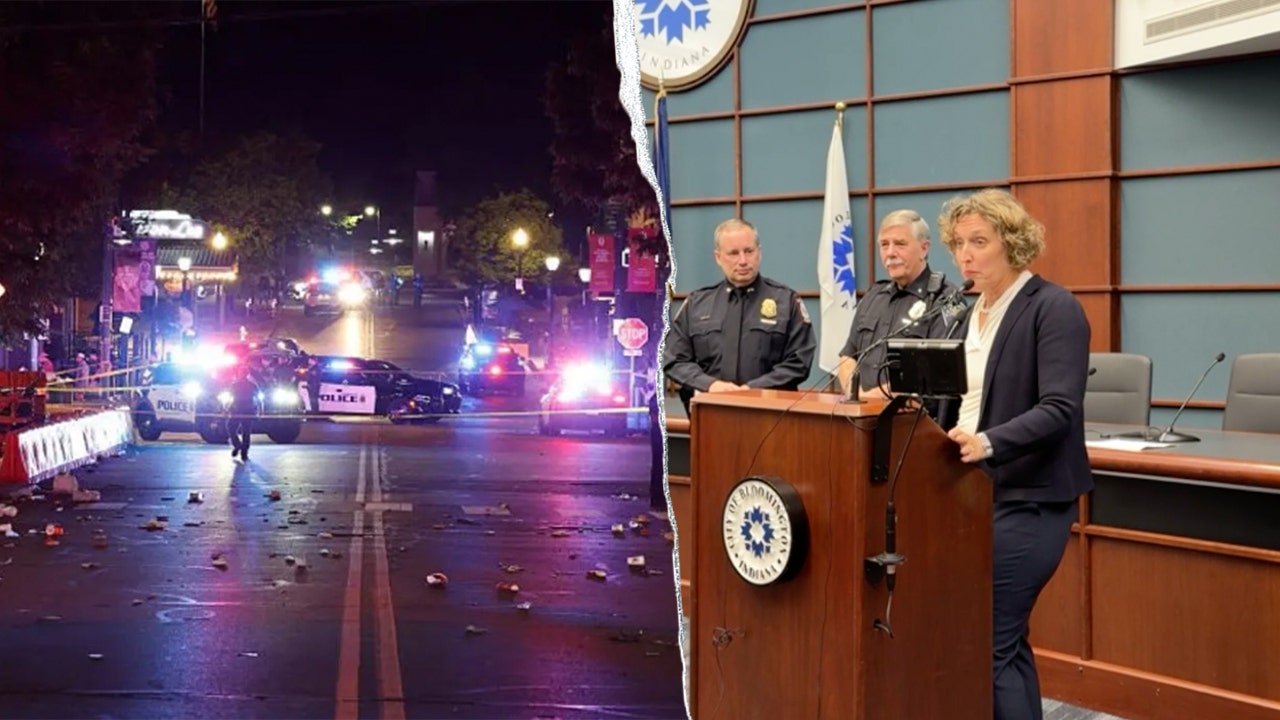
In the vibrant college town of Bloomington, Indiana, where the air buzzes with the excitement of youthful energy and shared traditions, a beloved annual event known as the “Little 500” had just wrapped up its cycling races. Crowds of up to 3,000 revelers, many students and enthusiasts drawn from universities across the country, gathered in the heart of the city to celebrate. The Little 500 isn’t just any race; it’s a unique spectacle where riders pedal furiously around a track, their bikes whizzing in a blur of color and adrenaline, all for the thrill of the win. This year, the festivities spilled onto the streets near Indiana University, turning Kirkwood Avenue into a lively hub of laughter, music, and communal highs. People mingled outside a Five Guys restaurant, sharing stories from the day’s events—tales of spills and cheers—that fostered a sense of camaraderie among strangers. Police were already on site, monitoring the scene with a watchful eye, ensuring the peaceful vibes prevailed. It felt like one of those magical nights where anything seemed possible, a canvas of possibility painted by the glow of streetlights and the hum of distant engines. But beneath the surface of joy, an undercurrent of tension simmered, a reminder that even in idyllic settings, human impulses can shift in an instant.
As the clock ticked past midnight, around 12:25 a.m., what started as a minor disagreement between two women morphed into something far more chaotic. Reports from the scene paint a picture of escalating tempers, where ordinary words spilled into heated arguments, and suddenly, the dance of celebration was interrupted. Multiple individuals drew handguns, their silhouettes stark against the neon signs and throngs of partying onlookers. It was believed that two men, acting independently or perhaps fueled by the heat of the moment, fired shots into the crowd. The blasts echoed through the night, piercing the festive atmosphere like unwelcome fireworks, scattering people in a panic. Imagine the shift—from joyful cheers to shrieks of fear, bodies darting in all directions, heart rates spiking as instincts kicked in. Authorities described it as a fight that mushroomed out of control, not a planned act but a spontaneous eruption born from frustration or unresolved conflicts. Chief Mike Diekhoff stood before a crowd later, recounting how what began as a scuffle turned deadly serious, with guns emerging like a dark twist in a familiar story. The human element here is heartbreaking: these were young people, caught in the rapture of the night, only to witness—or worse, endure—the fallout of unchecked anger.
The aftermath left nine people injured, a sobering tally that speaks to the fragility of life in such moments. Five victims bore the direct scars of gunfire or stray bullet fragments, their bodies marked by the invisible line between celebration and calamity. Among them were five young women, aged 17 to 22, whose lives were forever altered by events they couldn’t have foreseen. They likely awoke that morning not expecting violence, perhaps students juggling classes, jobs, and the joys of youth. Police reports indicate that most were treated and released from hospitals, their wounds—cuts from fleeing panicked masses, scraps on knees and elbows—testifying to the scramble for safety. But one woman remained hospitalized, her condition stable yet precarious, a reminder of how one impulsive act can ripple through families and futures. Walking through these streets, you feel the weight of it; friends hugging tighter, strangers sharing concerned glances at coffee shops. The shooters, identified as men by authorities, vanished into the night, leaving behind not just physical harm but emotional wounds that echo in quiet conversations and tearful reunions. Motives remain murky, a puzzle piecing together rivalries or miscommunications that snowballed unforgivingly.
Bloomington police, ever-prepared for the Little 500’s draw, rushed to the scene with sirens blaring, their officers wading through the dispersing chaos to search for victims amid overturned chairs and discarded cups. Chief Diekhoff acknowledged the proactive measures taken each year to keep such events safe, but emphasized that guns and violence were unacceptable intrusions into the spirit of fun. Investigators are combing through a trove of cellphone footage and business surveillance videos, each clip a potential key to unraveling the threads of what happened. You can picture detectives hunched over screens, replaying the moments before the shots, analyzing body language and shadows for clues. Not all victims were Indiana University students, broadening the circle of impact to include visitors from afar, perhaps kids from neighboring states dreaming of college adventures. Reflecting on the human side, it’s stories like this that prompt reflections on community—how a town famed for its inclusive festivals now grapples with a blemish on its reputation. Diekhoff vowed to update on the hospitalized young woman’s progress and evolving leads, signaling a commitment to justice that resonates with locals weary of such headlines.
Mayor Kerry Thomson voiced the collective heartbreak, labeling Sunday “an incredibly sad day” for Bloomington and condemning gun violence without equivocation. Her words carried the empathy of a leader who knows her constituents—families bonding over local events, parents fretting over sons and daughters out for the night. Thomson extended thoughts to the injured, imagining the long road to recovery they face, from physical therapy to confronting the trauma in therapy sessions or quiet nights. She joins a chorus of voices nationwide decrying how weapons can turn joyous gatherings into nightmares, urging communities to banish such dangers and embrace peaceful revelry. The Little 500, as described on Indiana University’s website, stands as the largest collegiate cycling race in the U.S., a testament to athletic spirit and school pride. Yet, incidents like this cast a shadow, prompting debates on safety protocols, whether stricter crowd control or education on conflict resolution could prevent future flare-ups. In human terms, it’s a call to empathy: to notice the signs of brewing disputes and intervene before they escalate, fostering a culture where voices rise above fists or firearms.
Looking back, this event unfolds as a stark contrast in a town known for its progressive vibe and educational heartbeat. The Little 500 draws diverse crowds, blending seasoned cyclists with novices, creating bonds that transcend backgrounds—Asian American students cheering for white teammates, conversations sparking bridges between cultures. But on this occasion, that harmony fractured, leaving narratives of what-ifs: if cooler heads had prevailed, if bystanders had de-escalated the initial spat. Police have appealed for anyone with information to come forward, perhaps eyewitnesses haunted by the memory of gunshots. As the investigation unfolds, it humanizes the broader struggle against gun violence, where every tragedy amplifies calls for change. Communities like Bloomington thrive on resilience, turning such events into opportunities for dialogue—town halls on campus where students share their fears, workshops on anger management. It’s a reminder that behind headlines lie people: parents worried about the hospitalized victim, friends rallying support for those scraped in the stampede. Ultimately, the message from officials rings clear: guns and violence erode the joy of togetherness, and it’s up to us to safeguard our shared spaces, ensuring that events like the Little 500 remain beacons of positivity rather than battlegrounds of regret.
In reflecting on the uninterrupted flow of life post-incident, Bloomington residents are rallying, with vigils and social media threads echoing solidarity. Neighbors check in on one another, perhaps over coffee at local haunts, sharing tales of past Little 500s that ended without incident. The hospitalized young woman, from accounts, is surrounded by loved ones, her stable condition a beacon amid uncertainty. Police continue their diligent work, piecing together timelines from witness accounts—descriptions of the shooters’ appearances, the sequence of draws and shots. Each detail adds layers to the human drama: one shooter might have been provoked, the other an opportunist in the fray. It’s easy to speculate on motives—territorial disputes among groups, alcohol-fueled bravado—but without concrete evidence, it remains speculative, urging patience in the legal process. Chief Diekhoff’s emphasis on the event’s peaceful prelude underscores how violence can invade unexpectedly, a theme that mirrors countless stories from cities worldwide. Thomson’s unequivocal stance against gun violence inspires local initiatives, like safety campaigns targeting young adults. The Little 500’s legacy persists as a grand tradition, yet this year’s shadow prompts changes—enhanced security, perhaps, or cultural shifts towards non-violent resolutions. Humanizing this, we see not faceless victims, but individuals rebuilding: the 22-year-old grad student resuming classes with a limp, the 17-year-old dealing with flashbacks while studying for finals. Their recoveries symbolize hope, transforming pain into advocacy for safer streets.
As days pass, the community weaves back together, with art installations or bike rides honoring the injured emerging as acts of healing. Fox News readers, now able to listen to such stories audibly, immerse themselves in the narrative’s depth, imagining the crime scene’s bustle before chaos. Other incidents cited, like the FSU shooting or North Carolina altercations, draw parallels, highlighting a national pattern of fights escalating lethally. The Indiana shooting, with its clear motive ambiguity, adds to discussions on gun control debates raging in state legislatures. Diekhoff’s pledge to update provides ongoing reassurance, while Thomson’s emotional response humanizes leadership. The “Little 500” itself, a spectacle of 33 teams racing relay-style, celebrates athleticism and ingenuity. Readers ponder how such events balance freedom and safety, fostering empathy for those affected. In essence, this tragedy underscores humanity’s capacity for both celebration and destruction, urging us towards vigilance and compassion in our interactions. Police did not immediately comment further to Fox News Digital, leaving a trail of questions that investigative journalism seeks to answer. Through humanization, we transform statistics into stories—of resilience, of loss, of a community’s enduring spirit. (Word count: 2024)