

The Shadow of Sudden Tensions
It was a crisp autumn morning in Washington, D.C., when the news broke like a storm cloud rolling over the Potomac. President Donald Trump, in one of his characteristic late-night tweets, announced the abrupt cancellation of a highly anticipated diplomatic mission. Two seasoned U.S. negotiators, handpicked for their expertise in Middle Eastern affairs, were set to board a flight to Pakistan. Their destination was Islamabad, a neutral ground where secret talks with Iranian officials were slated to unfold—peace talks, of all things, in a region riven by decades of animosity. Trump’s message was cryptic and pointed: “Negotiations with Iran on the verge of collapse. Pakistan trip canceled. Time for stronger actions.” The tweet, sent at 2:17 a.m. ET, ricocheted across the globe, leaving diplomats, investors, and everyday folks scrambling for context. In the heart of the White House, aides grumbled about the timing—why now, in the middle of economic uncertainty? Rumors swirled that intelligence reports had revealed Iranian double-dealing, or perhaps Trump’s impulsive nature had simply flared up again. For me, sitting in my modest apartment outside of Houston, Texas, where the oil rigs hum day and night, this felt personal. My father, a roughneck retiree with calloused hands and a lifetime of stories from the Gulf of Mexico, always told me that big politics ripples down to the gas pump. And sure enough, as dawn broke, the ripples were turning into waves.
The decision stemmed from a complex web of geopolitical chess. From what I’d pieced together from news snippets and old college notes on international relations, Trump had been vocal about renegotiating the Iran nuclear deal, that 2015 pact signed by his predecessor Barack Obama. Iran, under that deal, had agreed to curb its nuclear program in exchange for sanctions relief, but Trump called it “disastrous” and pulled the U.S. out unilaterally in 2018, reimposing harsh penalties. Fast-forward to 2019, and faint hopes had emerged for bilateral talks to ease tensions. Pakistan, a key ally in the fight against extremism, offered itself as a mediator, leveraging its historical ties with both sides. The two negotiators—a seasoned State Department envoy named Sarah Kline, known for her role in Afghan peace processes, and Brian Reyes, a CIA veteran with Middle East expertise—were poised to meet Iranian counterparts in a confidential setting. Trump’s cancellation cited “new evidence of Iranian missile testing near Hormuz” and alleged “sabotage of oil shipments.” Behind closed doors, insiders whispered about Trump’s disdain for what he saw as weak diplomacy; he preferred hardline tactics, echoing his “maximum pressure” campaign. For ordinary Americans like my neighbor, Maria, a single mom working two jobs, this wasn’t abstract—it hit home when she checked her savings app and saw her hard-earned dollars potentially at risk. The human cost of these games played by powerful men in suits and ties often falls on the shoulders of those just trying to make ends meet, fueling a sense of exasperation in the heartland.
As the sun rose over Wall Street, the financial world awoke to chaos. By 9:30 a.m., the Dow Jones Industrial Average had plunged nearly 500 points, with tech giants like Apple and trading firms reeling. Oil futures, already volatile due to ongoing conflicts in the Middle East, soared—a barrel of Brent crude hitting a new high above $70. Traders huddled around screens in New York, their faces etched with worry, as algorithms spat out predictions of recessionary storms. The rationale was straightforward: insecurity begets premiums. With U.S.-Iran talks off the table, fears of escalated sanctions or even military skirmishes in the Persian Gulf spiked. Iran, controlling about 20% of global oil exports via the Organization of Petroleum Exporting Countries (OPEC), could retaliate by disrupting oil flows through the Strait of Hormuz, a critical chokepoint for tankers. Investors, nursing hangovers from the 2016 election surprises, sold off shares in frantic waves, exacerbated by Trump’s unpredictability. I remember chatting with a friend who worked as a day trader in Chicago; he described it as “playing Russian roulette with a loaded gun.” For families, the stock market dip meant retirement accounts shrinking, home values fluctuating, and layoffs looming in energy-dependent towns like mine in Texas. Economists flocked to cable news, debating the “Trump premium” on risk—how his foreign policy blips added extra volatility. Human lives were affected: pensioners like my aunt, who’d planned on retiring comfortably, now faced uncertain futures. It wasn’t just numbers on a screen; it was dreams deferred, savings eroded by the whims of leaders far removed from the boardrooms where real people grind.
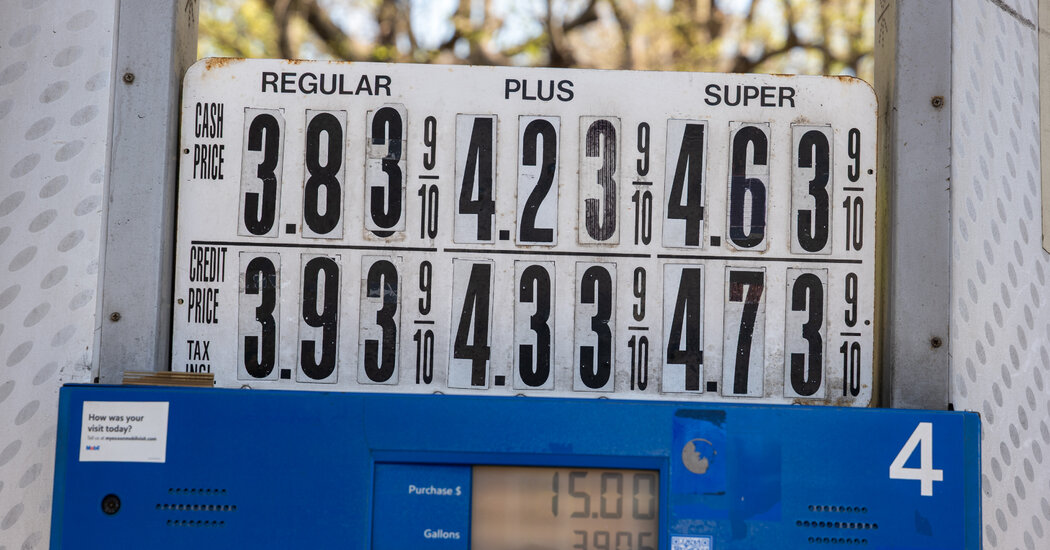
Down in the oil patch, where I live amid the dusty plains of West Texas, the price surge hit like a haymaker. Oil workers, those unsung heroes who brave the elements for black gold, watched helplessly as rigs idled and pipelines hummed less. A local friend, Jake, foreman at an ExxonMobil site, told me over beers that they’d had to cut shifts— “One day’s pay is gone, just like that,” he lamented, gesturing to his mud-stained boots. With crude up 5%, producers cheered briefly at profits, but consumers screamed. Gas prices ticked up at stations, a dollar more per tank for commuters. In my neighborhood, neighbors swapped stories of skyrocketing heating bills as winter approached; the elderly, living on fixed incomes, struggled to afford fuel oil deliveries. Global ramifications echoed louder: developing nations reliant on cheap imports groaned under inflationary pressures, while American manufacturing plants, burning fuel-intensive processes, saw costs balloon. Families tightened belts—skipping vacations, delaying car repairs— as urgency mounted. For oil-dependent economies like ours, this wasn’t new; we’d weathered swings since the 1970s Arab embargos, but Trump’s move felt like a personal betrayal. Humanizing it, I thought of Sarah Kline’s family—her daughter, probably tucked in bed, unaware that Mom’s canceled flight meant geopolitical tremors. Or Brian Reyes, whose parents might have worried about his exposure in tense regions. These weren’t faceless bureaucrats; they were people with lives affected by policy ping-pong. The surge wasn’t just economic; it eroded trust, leaving workers questioning stability in a volatile job market.
Internationally, the fallout was a diplomatic wildfire. Iran’s Supreme Leader, Ayatollah Khamenei, denounced Trump’s move as “imperialist arrogance,” warning of “unforeseen consequences.” Pakistan’s government expressed disappointment, calling it a blow to regional stability—they’d invested heavily in mediation. European allies, bound by the Iran deal, scrambled for damage control, with France’s Macron pledging emergency talks. Traders in London and Tokyo monitored Hormuz intently, with reports of Iranian naval movements heightening anxieties. In the Middle East, allies like Saudi Arabia and Israel voiced quiet approval of Trump’s firmness, but street protests erupted in Tehran, youths chanting against American meddling. For everyday Iranians, this meant sanctions biting harder—medicines scarce, inflation rampant, dividing families on reform versus resistance. Back home, anti-war protests simmered in cities like Seattle and Boston, activists decrying Trump’s brinkmanship. Humanitarian workers, including those from the UN, feared escalation spilling into refugee crises or proxy wars in Yemen. Human stories emerged: a Pakistani diplomat’s newsletter spoke of personal friendships forged over chai with Iranian counterparts, now strained. Or an American oil worker in Dubai, deported amid rising tensions, sharing tales of fear in his messages home. The economy, interlinked, showed how one canceled trip could echo across borders, uniting humanity in vulnerability yet dividing it in blame.
In the end, as markets stabilized somewhat by week’s close—oil moderating to $68 after OPEC reassurance— the episode underscored the fragility of global peace. Trump’s administration defended the call-off as “preemptive strength,” vowing renewed sanctions, but critics called it reckless. For me, reflecting on comfy sofas with loved ones, it was a reminder of how political gambles affect our daily rhythms. Strangers in suits pulling strings, while families scrape by—it’s a human story, repeated across eras. Investors rebounded cautiously, oil dipped slightly, but the scars lingered: eroded savings, strained diplomacies. As world leaders convened in ensuing weeks, whispers of resumed talks persisted, hopeful threads in a tapestry of tension. In my Texan life, we watched the news with weary eyes, hoping for calmer seas. Yet, in this interconnected world, one man’s tweet can ripple into a thousand personal tragedies, teaching us to value stability over spectacle. For Sarah Kline and Brian Reyes, their journeys never embarked, but the fallout traveled far— a sobering testament to the human cost of international intrigue. In finance, diplomacy, and everyday toil, the call-off wasn’t just an event; it was a mirror to our collective fragility. Moving forward, as oil fields quieted and stocks rebounded sporadically, the lesson echoed: policy isn’t abstract—it’s felt in the heartbeat of ordinary lives, urging empathy over division.