


Trump’s Persistent Gambles Against Iran
President Trump has been chasing what feels like a elusive victory formula to bend Iran to his will, like a determined gambler doubling down on bad bets. It started last June with that dramatic airstrike aimed at obliterating Iran’s nuclear ambitions— a bold move that promised quick capitulation but delivered little. Then came the intense February air campaign, teamed up with Israel, pitched as a catalyst for regime change and a grassroots revolution within Iran. Most recently, he imposed a blockade on Iranian shipping to disrupt their chokehold on the vital Strait of Hormuz. Now, in another twist, Trump unveiled a vague plan to escort stranded ships through the strait, as if threading a needle in stormy seas. Iran fired back with missiles and drones, and understandably, tanker captains are wary—it’s still too risky out there for most to tempt fate by sailing through.
But here’s the thing: Trump’s unshakable faith in these escalating pressures feels misguided, like barking up the wrong tree. Experts puzzled by his strategy say it’s a fundamental misunderstanding of Iran’s playbook. The Islamic Republic sees itself holding the stronger hand right now, capable of weathering economic storms longer than Trump can stomach skyrocketing global gas prices from stifled oil traffic. Rather than softening, Iran’s stance has actually toughened under the heat, yet Trump just keeps cranking up the intensity. As Ali Vaez from the International Crisis Group puts it, Trump believes he’s always “one little turn of the screw” from triumph, always chasing that miraculous break.
The Flaws in Pressure Tactics
This cycle of coercion without a real exit ramp is where it starts to crumble, leaving everyone frustrated. Vaez warns that pressure alone won’t forge a deal—it’s like trying to unlock a door without realizing you need the right key. Iran needs a face-saving path forward, something mutually beneficial that doesn’t scream “surrender.” Without that, it’s just endless circling. And time? Experts aren’t betting on it favoring Trump. Suzanne Maloney at Brookings points out that America could tighten the economic screws further, but Iran has endured sanctions like no other economy, surviving isolation and hardship without toppling the regime or budging toward reasonableness.
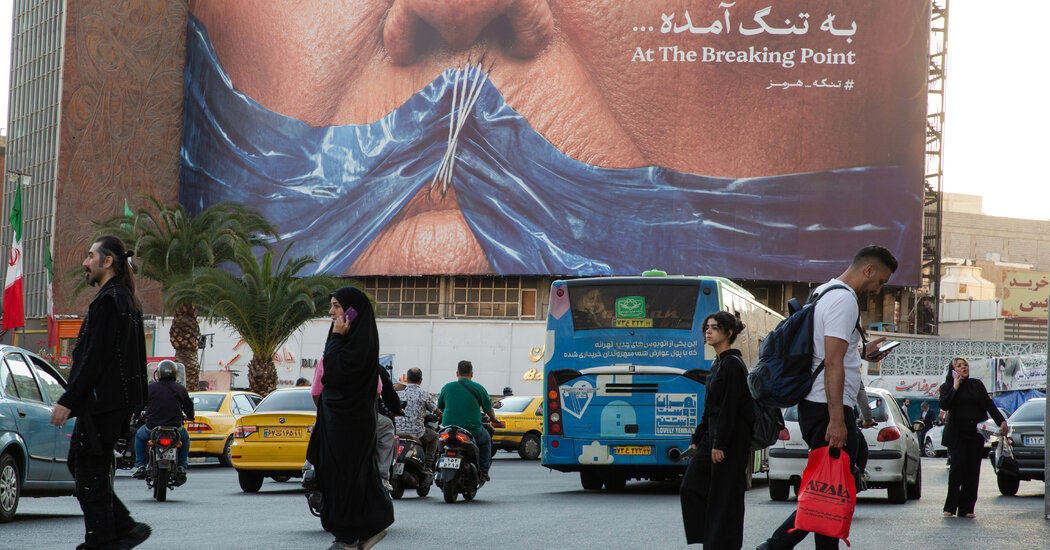
In an authoritarian paradise like Iran, where dissenters face swift, brutal reckoning—think regular executions of protesters— the usual political levers for compromise simply don’t exist. Trump himself seems stubbornly opposed to any give-and-take, even as energy costs pinch everyday Americans. Maloney echoes the doubt: with midterms looming, can a mere blockade flip the script before the global economy buckles? Probably not, feeling more like a high-stakes gamble than a surefire plan.
Iran’s Resilient Stand
Trump boasted the blockade was “amazing” and unchallenged, insisting Iran yearns for a deal but plays coy—talking in private then denying it publicly. Yet this war of wills exposes a chasm between two worlds rarely intersecting face-to-face. Sanam Vakil at Chatham House likens it to cultural blind spots: different deal-making DNA, talking at cross purposes. Trump doesn’t grasp what truly motivates Iran—they’re not slaves to GDP charts; if they were, they’d have folded years ago amid economic agony. Their moves reflect a deeper calculus, tied to survival and pride rather than spreadsheets.
Trump’s latest wager assumes Iran’s oil storage tanks are nearly bursting, forcing Tehran to cave shortly. He claimed they had “three days left” before their infrastructure explodes—a wild exaggeration that oil experts quickly shot down. Iran exported 1.81 million barrels a day in April, and they can scale back production, stash oil in older tankers (each holding up to two million barrels), or even ship by land to Pakistan. Brett Erickson from Obsidian Risk Advisors notes that even under Trump’s first-term sanctions, Iran dialed down to 200,000 barrels daily without wrecking their setup. Faced with sanctions and the Hormuz blockade, they’ll adapt, but Erickson’s blunt: no magical collapse in Trump’s timetable, pushing him to this risky escort idea instead.
Economic Myths and Realities
Even if hostilities ended today, Erickson warns it could take months for oil flows to normalize—a slow burn that Trump, ever impatient, seems to underestimate. The harsh truth is Iran isn’t teetering on the edge; their reserves buy them breathing room experts say stretches into weeks, not days. This misread feels personal, like a poker player bluffing with weak cards, betting the agony will outweigh Iran’s resolve.
Lessons from the Past
Looking back, heavy sanctions have historically nudged Iran to the table. Years of forceful U.S. and international pressure culminated in the 2015 nuclear deal, where Iran capped its enrichment program for over a decade in exchange for eased sanctions—a testament to what sustained diplomacy can achieve. Iran honored the pact, exporting more oil and rejoining global commerce. But Trump ditched it in 2018, rebranding “maximum pressure” to squeeze a tougher agreement. It backfired spectacularly: no new deal, just escalated violations. A year after fruitless European workarounds, Iran breached limits, stockpiling enough highly enriched uranium for about 10 weapons—440 kilograms, parked and ready, though they swear they won’t cross into bombs.
Iran now digs in, refusing nuclear talks until the fighting stops and hostilities stay paused permanently. Yet behind the scenes, quiet chats hum as Tehran eyes this standoff as a potential breakthrough for their long-simmering feud with the U.S.—not just folding under threat.
A Path to Real Deals
In essence, Iran wants resolution, but on their terms, wary of surrender breeding perpetual oppression. They eye retaining Strait tolls for rebuilding funds, distrusting any U.S. leader to honor sanctions relief. As Vaez observes, it’s about enduring a “hot war” only to survive a frigid peace. The regime prefers leverage that buys security, not empty promises. This human drama underscores a standoff where neither side truly knows the other’s pulse, trapped in a loop of bravado and brinkmanship. For Trump, it might be time to bet on dialogue over dice—before the stakes soar higher, leaving everyone out in the cold.