


The Hidden Shadows of the Gold Supply Chain: Ethics and Illusions in Precious Metals
In the murky underworld of global gold trading, where illicitly mined bullion funnels through the hands of terrorists, drug syndicates, and rogue regimes, one institution stands out as a beacon of purity—the Royal Canadian Mint. This government-backed entity, revered for its commitment to ethical sourcing, boldly asserts that its gold is spotless, traced back to legitimate origins with state-of-the-art technology akin to Bitcoin’s blockchain. For buyers seeking assurance in an industry plagued by corruption, the Mint promises a transparent path, free from the taint of “illegitimate nonstate armed groups.” Yet, beneath this veneer of integrity lurks a startling revelation: even the most reputable players bend the rules in ways that allow tainted gold to seep into the mainstream, camouflaged as something altogether wholesome. This isn’t just a tale of shiny coins; it’s a cautionary narrative about how global supply chains, when scrutinized, reveal cracks in the very foundation of trust.
Rob Sargent, the Mint’s refining chief, emphasized this point in a candid interview, noting proudly that “it’s all North American, predominantly Canada.” His words paint a picture of domestic purity, evoking images of serene Canadian mining operations high in the Rockies, far removed from international strife. But “North American,” as the Canadians define it, encompasses a far broader geography, stretching to include gold extracted from distant lands rife with bedlam. Investigative journalism from The New York Times has peeled back layers, exposing that this so-called clean supply chain includes ore from Colombian mines under the control of the Clan del Golfo, a notorious drug cartel notorious for cocaine trafficking and brutal territorial disputes. Unlike its American counterpart, the U.S. Mint, which has long neglected rigorous tracking, the Royal Canadian Mint was aware of this Colombian connection yet persisted in branding the metal as North American—a label that belies the violent realities of its extraction.
The sleight of hand involves a Texas-based intermediary that blends the Colombian gold with American-sourced material before shipping it northward. In the eyes of Mint officials, this amalgamation magically transforms the blend into 100% North American gold, absolving them of deeper scrutiny. Andrea Kniewasser, the Mint’s general counsel, defended this approach, explaining that their due diligence relies on the intermediary’s audit. This document does acknowledge Columbia and specifically the Antioquia region, a hotbed for Clan del Golfo’s gold-related operations. However, the Mint chose not to delve further, deeming such probes “not our responsibility.” It’s a legal fiction that underscores how even elite institutions navigate—or sidestep—the complexities of global trade, allowing potentially nefarious sources to enter reputably branded reserves without a hitch.
This complacency extends to broader industry practices, where assurances of ethical sourcing often hinge on clever interpretations rather than exhaustive verification. David Soud, an expert investigator from Auxilium Worldwide specializing in illicit gold traces, pointedly questions the integrity of such systems. “If a refiner as prestigious as the Royal Canadian Mint is not undertaking meaningful, enhanced due diligence on mixed-origin, recycled and mined gold, then what does that suggest about the gold supply chain as a whole?” His query echoes larger concerns about how the world’s most respected dealers might inadvertently—or deliberately—facilitate the laundering of conflict minerals. With gold prices soaring near $5,000 an ounce, the incentives for illegal activities are at an all-time high, from deforestation in rainforests to river contamination and violent land grabs, all in pursuit of profit. The Mint, taken aback by the Times’ revelations, claimed ignorance until informed; the Colombian-sourced material constituted just 5% of their raw input last year. In response, they’ve halted acceptance of such gold while conducting an internal probe, signaling a rare moment of accountability.
Yet, this episode highlights the often opaque mechanics of ethical gold trading. Major players trumpet their “clean” credentials, but these promises sometimes contort into intellectual gymnastics, like reclassifying foreign cartel-linked ore as domestic. The Mint’s revelation comes amid growing pressure on the industry to adopt more stringent oversight. Ms. Kniewasser argued that labeling the gold as North American complied with sectoral guidelines, and guidance from the Organization for Economic Cooperation and Development allowed reliance on suppliers’ own checks. However, Louis Marechal, the OECD’s senior adviser on minerals, disputes this, stating via email that refiners must “check on how the mined gold was produced to ensure it didn’t fund armed groups or human rights violations.” He insists that skipping these steps “would significantly deviate from both the letter and spirit of the guidance,” exposing a misalignment between industry norms and international expectations. Despite this, the consequences for noncompliance remain negligible—no fines, no sanctions, just the soft sting of public embarrassment.
Looking ahead, the Royal Canadian Mint pledges reform. Kniewasser announced upcoming changes, including a public list of origin countries for their gold, aimed at fostering greater transparency. They’re also initiating an “incident review” to dissect the Colombian connection. But as the dust settles, it begs a sobering reflection: in an industry where high stakes drive innovation and corruption alike, can true ethical sourcing ever be guaranteed? The gold market’s allure—its luster and worth—continues to captivate investors and nations, yet this scandal reminds us that behind every bar or coin lies a labyrinth of origins, some glittering with promise, others shadowed by vice. For consumers obsessively checking labels for organic produce or fair-trade coffee, a similar vigilance in gold might soon become imperative, urging a reevaluation of how we perceive the purity of precious metals.
Industry Reforms and the Quest for Ethical Gold Standards
Amid calls for transformation, the gold sector is edging toward more robust standards, albeit slowly. The Royal Canadian Mint’s misstep with Colombian cartel gold has spurred discussions among stakeholders, from miners to jewelers, about fortifying the supply chain against illicit inflows. Experts like Soud argue that enhanced due diligence—detailed probes into mining practices, including on-the-ground assessments of sites—could close loopholes exploited by shady operators. Imagine auditors venturing into remote Colombian veins, not just reviewing paperwork but witnessing the human cost of extraction firsthand. Such steps, though resource-intensive, might prevent the bluing of gold with blood. Internationally, frameworks like the OECD’s Due Diligence Guidance for Responsible mineral Supply Chains aim to set benchmarks, but their voluntary nature means enforcement is spotty at best. The Mint’s planned disclosure of country origins is a step forward, potentially pressuring competitors to follow suit. Yet, without binding regulations, these pledges risk being mere PR maneuvers, overshadowed by the seductive power of profit margins that currently reward opacity over honesty.
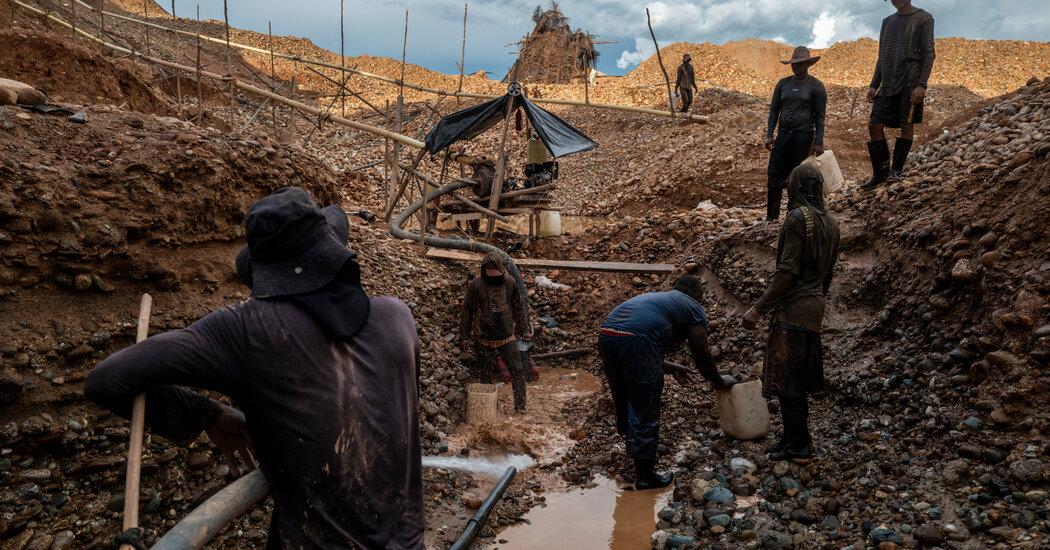
The human element in this saga can’t be overstated. In gold-rich regions like Colombia’s Antioquia, where Clan del Golfo wields influence, miners toil under constant threat. Armed groups protect illicit operations, extorting miners or seizing land, contributing to cycles of violence that displace communities and exacerbate environmental degradation. Local artisanal miners, often the backbone of small-scale production, face a Catch-22: sell to cartels for survival or risk poverty without protection. Ethical buyers, through initiatives like the World Gold Council’s Responsible Gold Mining Principles, seek to uplift these workers, offering fair prices divorced from criminal networks. However, the Mint’s indirect importation via a Texas blender illustrates how well-intentioned refiners can unwittingly perpetuate harm, much like consumers buying “sustainable” seafood unaware of illegal fishing boats. This disconnect fosters skepticism toward assurances from mints and dealers alike, highlighting the need for consumer education to demand verifiable trails, perhaps through apps tracking gold’s journey from mine to market.
Technological advancements offer glimmers of hope. The Mint’s Bullion Genesis, a blockchain-inspired system, could revolutionize traceability, allowing buyers to scan QR codes on gold products to view real-time data on origins and refining processes. Similar digital twins in other industries have exposed fakes and frauds—from pharmaceuticals to luxury goods—so why not gold? Critics, however, point out that even cutting-edge tech falters if initial inputs aren’t verified, as seen in the Colombian case. Integrating AI-driven analytics to flag anomalies, like spikes in gold from high-risk zones, could enhance oversight. But adopting such tools requires collaboration across borders, challenging logistics in an industry often guarded by secrecy. As prices hit historic highs, driven by economic uncertainties and geopolitical tensions, the pressure to innovate ethically intensifies, lest the world awaken to gold’s dark underbelly eroding trust in global finance.
Regulators’ roles are pivotal yet uneven. In Canada, the Mint operates under government oversight, but that hasn’t forestalled issues, prompting reviews by agencies like Global Affairs Canada. Contrast this with the U.S., where the Mint’s decade-long laxity on sourcing has drawn congressional scrutiny, with bills proposed to mandate improved tracking. Internationally, organizations like the United Nations encourage due diligence to curb conflict gold, but without universal enforcement, rogue actors dodge detection. The Mint’s acknowledgment of its oversight gap, prompted by journalistic exposure, underscores media’s watchdog function—exposing truths that self-regulation fails to address. For stakeholders, this means advocating for global treaties mirroring anti-money laundering laws, where gold’s path is as auditable as bank transfers. Without it, the industry risks repeating past scandals, like those involving Swiss refineries linked to dirty diamonds, tarnishing an otherwise gleaming sector.
Ultimately, the path to ethical gold hinges on collective action. Buyers, wielding purchasing power, can demand certifications from bodies like the Responsible Business Alliance, rewarding transparency. Investors might divest from ETFs linked to suspect sources, while artisans prioritize suppliers with verifiable ethics. The Mint’s reforms, though reactive, signal a tipping point toward accountability. As the world grapples with climate crises and humanitarian woes exacerbated by unregulated mining, gold’s transformation could symbolize broader healing. Yet, complacency persists: in a market valuing allure over accountability, vigilance remains the true gold standard. This narrative of intrigue and reform reminds us that in the pursuit of the precious, integrity often proves to be the rarest metal of all. (Word count: 2123)