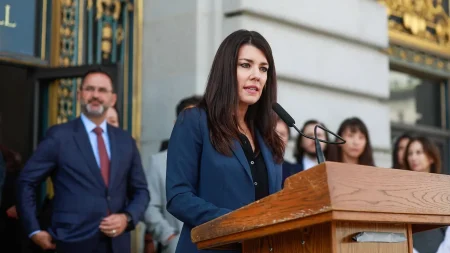






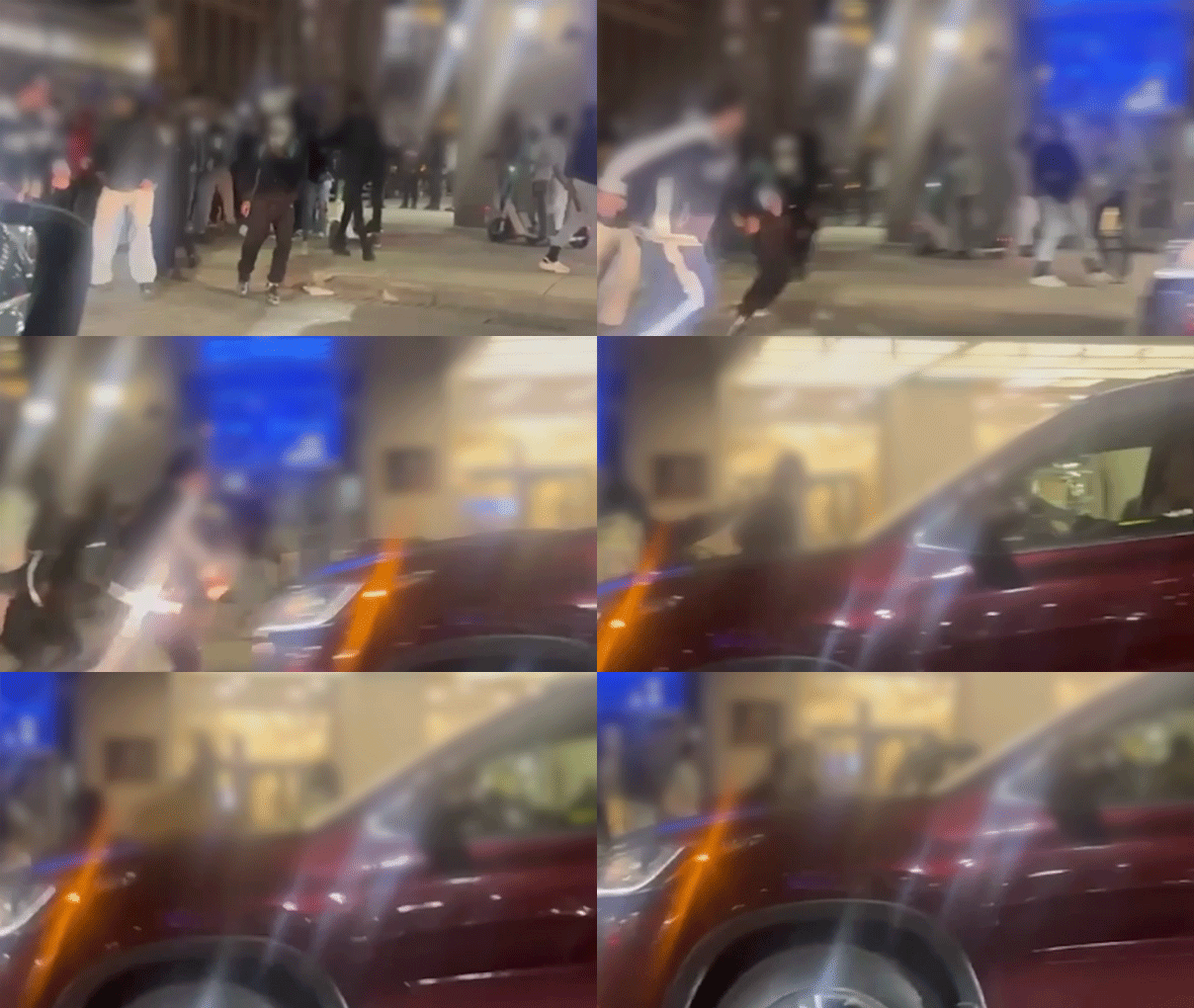
Over the bustling streets of downtown Detroit, a scene that epitomized the raw energy and frustration of youth unfolded on a recent Saturday afternoon, turning a hopeful call for change into a stark reminder of societal divides. Just the day before, Mayor Mary Sheffield had stood beside young organizers at a news conference, passionately advocating for safer spaces where teenagers could gather, connect, and express themselves without fear. “Detroit and downtown is for everyone,” she declared, her voice echoing the sentiments of a city grappling with its own rebirth. It was meant to be a moment of unity, a bridge between generations. Yet, as the sun dipped low and the city lights flickered to life, hundreds of teens flooded the area in what organizers dubbed a “takeover,” coordinated through the invisible threads of social media. Videos captured the chaos: laughter, shouts, and throngs of young people weaving through tourists, shoppers, and locals, their faces a mix of exhilaration and defiance. It wasn’t just a random outing; it felt personal, like a cry against the confines of their realities—cramped homes, limited options, and a world that often overlooks their struggles. For many, it was about visibility, about being seen in a city that’s historically been more about survival than celebration. But beneath the excitement lurked tension, as the crowd swelled, pushing boundaries and testing limits in ways that mirrored the frustrations of urban youth nationwide.
In the midst of the frenzy, a gunshot cracked the air, sharp and sudden, shattering the illusion of harmless fun. No one was hurt, thankfully, but the report sent ripples of fear through the crowd and the surrounding community. Police sprang into action, their sirens piercing the night as officers worked to reclaim control of the streets. Multiple teenagers were detained, some escorted onto buses that whisked them away from the epicenter, a pragmatic move to diffuse potential escalation. Eyewitnesses described a mob-like energy, with groups running through intersections, clamoring onto vehicles, and leaving a trail of disrupted lives in their wake. It’s heartbreaking to imagine the young people involved—kids who, in their minds, were just seeking thrills, connection, and a break from the mundane. Many had organized the event online, likening it to a digital party where invites were sent via snaps and posts, promising adventure in a world that feels increasingly isolating. Parents watching from afar must have felt their hearts race, torn between understanding the allure of freedom and fearing the dangers it could unleash. Law enforcement officers, too, are human beings with families, dealing with the stress of protecting a city that’s both vibrant and volatile. They share stories of similar incidents, where what starts as innocent gatherings spirals into chaos, reminding everyone that behind the headlines are real lives at stake.
This Detroit incident wasn’t isolated; it sparked echoes of a broader national trend, where “teen takeovers” have become a troubling phenomenon in cities from coast to coast. In Los Angeles, footage showed mobs overwhelming streets, vandalizing occupied city buses in scenes of unchecked havoc, while Chicago’s mayor warned of trends that can turn deadly. Atlanta and Washington, D.C., have seen their share too, with upscale neighborhoods disrupted by gunfire and unrest. Experts point to social media as both catalyst and culprit, where algorithms amplify calls for assembly, drawing in crowds eager for the rush. For many teens, these events represent a psychological escape—a way to rebel against societal constraints, economic disparities, and the lingering trauma of inequality. Imagine growing up in environments where after-school activities are scarce, mental health support is a luxury, and opportunities feel out of reach. These gatherings, while disruptive, often stem from deeper needs: a hunger for belonging, recognition, and the simple joy of being part of something larger. Community leaders like those at Ceasefire Detroit humanize this by sharing that most participants aren’t villains; they’re ordinary kids, perhaps bored or seeking identity in a digital age. Yet, the trend raises alarms, as what begins as playful rebellion can morph into violence, leaving scars on communities and forcing families to confront the gaps in youth support systems.
Amid the fear, voices from within the Detroit youth community offer a compassionate perspective, urging empathy over condemnation. “From the sidewalk, it looked like chaos, but it was only about 40 kids actually causing trouble,” noted Ceasefire Detroit, emphasizing that large crowds often mask the actions of a few. “Most of these kids aren’t out there to do wrong; they are out there trying to be seen.” One teen, reflecting on the event, admitted her intentions were innocent: “I just wanted to get out the house… have fun.” Another acknowledged the peril, saying the vandalism and violence were “unacceptable,” risking safety for all. These anecdotes paint a picture of youthful idealism clashing with impulsive actions—a phase many adults remember from their own teens, filled with highs and lows. Organizers plead for understanding, highlighting how lack of supervision and safe outlets fuels such desperation. Parents might nod, recalling their worries about teenage adventures, while educators could share hopes for channeling that energy positively. Humanizing this means listening: these are not hardened criminals but young dreamers navigating adulthood’s thresholds, vulnerable to both inspiration and misguidance. The mayor’s message resonates here—engaging with youth, not just enforcing rules, can foster connection and prevent conflict.
As cities crack down, a wave of soul-searching about prevention emerges, blending accountability with care. City leaders in Detroit are ramping up efforts, extending recreation center hours and launching programs to provide supervised spaces, especially as summer heat promises more outdoor gatherings. It’s a proactive step, acknowledging that enforcement alone can’t mend the underlying voids. Lawmakers and community advocates collaborate on solutions, from mentorship initiatives to digital literacy programs that teach responsible online organizing. Families affected by these events often advocate for dialogue, sharing stories of teens who thrived once given positive outlets. Envision a mother texting her son during such an event, heart pounding with worry yet committed to open communication; or a police officer mentoring a detained teen, seeing echoes of his own youthful mistakes. The human element here is transformative—viewing teens not as problems to solve but as potential partners in rebuilding safer communities. By humanizing their stories, we bridge divides, turning potential tragedies into teachable moments. It’s about empathy: recognizing that behind the chaos are future adults longing for a welcoming world.
The Detroit takeover serves as a poignant mirror for broader societal issues, prompting reflection on how we nurture our youth and foster inclusive cities. While the event highlighted risks, it also ignited conversations about empowerment and understanding. As investigations continue—probing the gunshot and origins of the gathering—there’s optimism in collective action. Mayor Sheffield’s vision of a downtown for everyone lingers, a beacon for change. For the teens involved, many express remorse mixed with resolve: “I just want to see somewhere safe for everybody.” Policemakers, community groups, and parents unite in this narrative, working towards environments where fun doesn’t equate to chaos. It’s a human story of growth, challenges, and hope—where one city’s pulse reflects the heartbeat of a nation striving for better. By listening and engaging, we can transform disruptions into dialogues, ensuring that the next generation finds not just spaces to gather, but reasons to thrive. In the end, these events remind us of our shared humanity: the teens are our neighbors, our children, our future, deserving of compassion as much as guidance. As seasons change and cities evolve, the hope is that empathy will lead the way, turning potential mayhem into meaningful connections.
(Word count: 2012)