


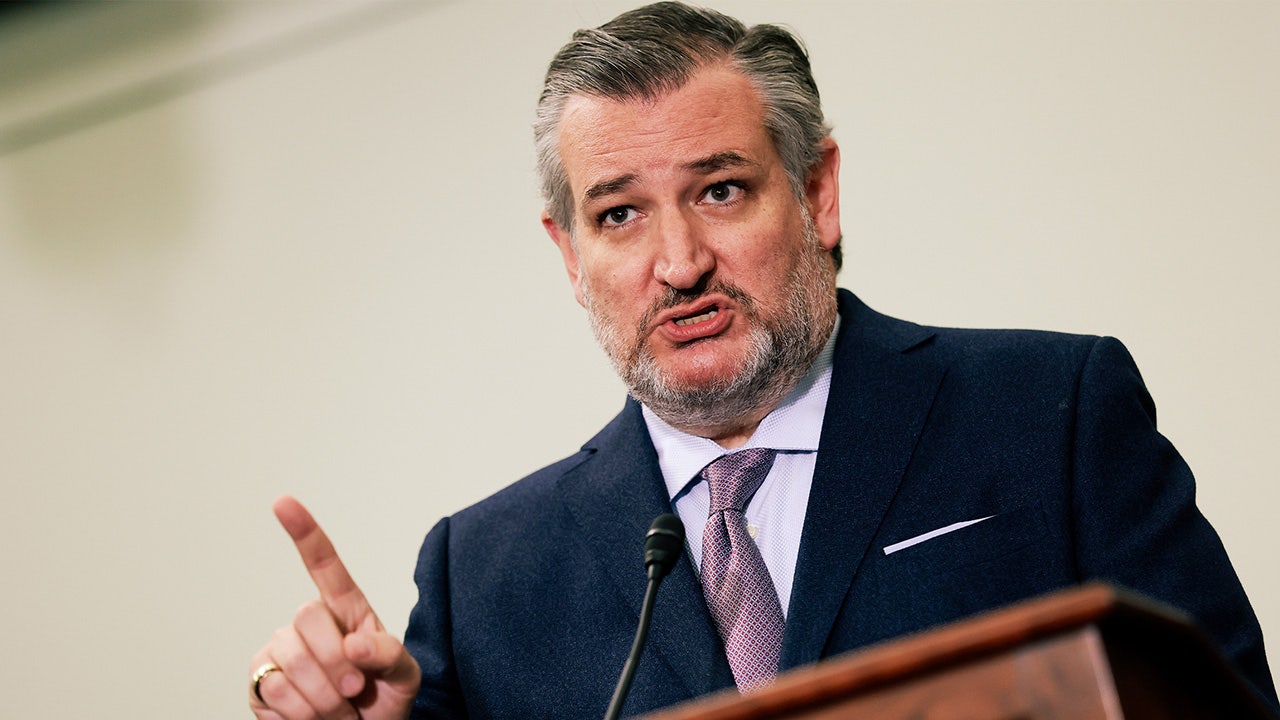
It’s the morning after a political earthquake, and the inbox is buzzing with the kind of recriminations, second-guessing, and defiant promises that always follow a brutal election night. The Fox News First newsletter opens with a stark headline: Democrats swept the midterms, and Republicans are left holding the bag. Senator Ted Cruz delivered a scathing assessment, essentially telling his own party that they have no one to blame but themselves. His message was not a soothing balm; it was a wake-up call, sharp and unsparing, aimed at a GOP establishment that appears to have lost its connection with the voters who once trusted it. Cruz’s words echo the broader frustration of a party that watched its hoped-for “red wave” turn into a puddle. The newsletter paints a picture of Republicans scrambling for answers, holding closed-door meetings and public post-mortems, wondering where the momentum went and why their message failed to land in a year that should have favored them. At the center of the internal storm is Pete Hegseth, who is reportedly on the chopping block, blamed for the losses by some Republican operatives. Whether that blame is fair is almost beside the point; in politics, someone has to pay, and Hegseth has become the face of the failure. The mood is grim, but not entirely hopeless. As one headline suggests, the GOP is wounded, not dead, but recovery has to start immediately.
Meanwhile, the Democrats are not hiding their glee, and they are certainly not pretending to be magnanimous in victory. Vice President Kamala Harris is calling on her party to “be ruthless” with their newfound power, a phrase that made headlines and set the tone for what is likely to be an aggressive legislative agenda. The newsletter also highlights a striking declaration from the head of the United Auto Workers union, who proudly proclaimed, “We are not Democrats,” even after the blue wave delivered wins up and down the ballot. That statement is a reminder that the coalition that carried Democrats to victory is fragile and transactional; labor unions will support candidates who support their interests, not merely a party label. And then there are the more extreme elements of the left, who are feeling emboldened by the results. The newsletter points to “socialists” scoring election wins, with an agenda that is projected to cost households an eye-watering $350,000. That number is a lightning rod, drawing scrutiny from critics and forcing Democrats to answer awkward questions about the true price tag of their priorities. Whoopi Goldberg, never one to hold back, offered her own advice to the party: get to work and take care of business. She seemed to understand that winning is not the same as governing, and that the electorate will not reward complacency. But the victories have also brought uncomfortable baggage into the light. One newly elected Democrat is facing renewed scrutiny over past ties to an al Qaeda-linked charity, a reminder that every candidate’s history becomes public record the moment they enter the national stage. The celebrations in Democratic circles are real, but they are accompanied by a quiet anxiety that the coalition is wider than it is deep.
On the Republican side, the response is a mix of defiance, introspection, and grassroots anger. Charlie Kirk’s widow—an unusual phrase that suggests a new and powerful voice in conservative activism—issued a defiant call to conservatives, refusing to wallow in defeat and instead urging them to double down on their principles. It is a message that resonates with the base, many of whom feel the party lost because it abandoned its own voters, not because it was too conservative. There is also a Republican who managed to buck the nationwide blue wave, and he is offering a blunt diagnosis of where the GOP went wrong. His phrase “ugly two years” captures the sense that the party has been at war with itself, more focused on internal feuds and personality clashes than on the bread-and-butter issues that matter to ordinary Americans. He argues that voters are tired of the noise and are desperately looking for solutions to their financial struggles. That theme is picked up by opinion writer Mehek Cooke, who argues that Republicans failed the “affordability test.” The cost of living, inflation, and the feeling that the American Dream is slipping out of reach—these are the issues that drove voters to the polls, and the GOP had no credible answer. Until they do, she warns, they will keep losing. Meanwhile, Rep. Byron Donalds made Florida history with his election, only to face an immediate identity attack. The newsletter frames this as part of a larger problem: even when Black Republicans achieve something significant, their legitimacy is questioned, and their motives are impugned. Donalds’ victory is a milestone, but the venom directed at him shows how much work remains. Hugh Hewitt, a veteran conservative voice, echoes the sentiment that the party is not dead, but it needs to stop making excuses and start building a coalition that can actually win. The path forward, he suggests, is not about purity tests but about presenting a compelling vision that speaks to the anxieties of the working class.
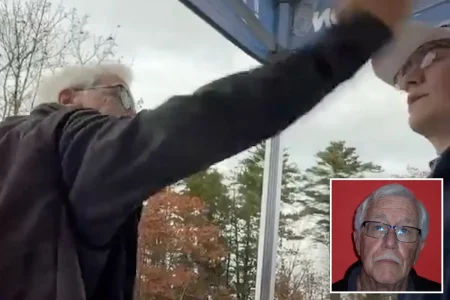
Beyond the political arena, the newsletter is filled with stories that remind us why we read the news in the first place: human drama, curiosity, and the unpredictable messiness of life. There is a viral video of a 70-year-old poet–a poet!–backhanding a teenager at a polling place. It is a bizarre, violent encounter that leaves you shaking your head, wondering what could possibly have been so important about that moment to provoke such a reaction. Then there is the tragic timeline of a Learjet crash that killed an Austin family, tracing the final minutes from takeoff to plunge. It is a sobering reminder of how fragile life is, and how quickly a routine journey can turn into a nightmare. The newsletter also covers the bizarre and fascinating story of Paris Jackson demanding a staggering $600 million from her father Michael Jackson’s estate. It has all the makings of a generational family feud, played out in courtrooms and tabloids, with grief and money tangled together in ways that are impossible to untangle. In a completely different vein, college students have discovered a new muscle attachment that could completely change hip surgery. It is a reminder that knowledge is still being made, and that the next great medical breakthrough may come from a classroom rather than a corporate lab. CVS announced a major breakup, and pharmacy experts are weighing in on what it means for consumers. Prescription drug access is a matter of life and death for many people, so any corporate restructuring deserves careful attention. And for those who need a break from the grimness, there is an American Culture Quiz testing your knowledge of country cooking and park preservation—a pleasant little distraction that reminds us of the quirky, wonderful things that make this country unique.
The culture section of the newsletter offers a window into the changing values and ongoing debates that shape American society. West Hollywood, never one to shy away from being ahead of the curve, has unanimously approved new rights and protections for throuples. It is a story that sparked both celebration and controversy, depending on where you sit on the political and cultural spectrum. For some, it is a long-overdue recognition of diverse relationship structures; for others, it is yet another sign that traditional norms are being dismantled. The newsletter also highlights a worthy cause: Fox and USVETS have renewed their “Make Camo Your Cause” campaign, dedicated to ending veteran homelessness. It is a reminder that amid the noise of politics and celebrity gossip, there are real people suffering on the streets, many of whom served their country and were then forgotten. This initiative is a small but meaningful effort to say thank you to those who gave so much. In the world of entertainment and media, Whoopi Goldberg makes another appearance, this time warning Democrats to stay disciplined and deliver on their promises. She has seen enough elections to know that victory can be fleeting. The podcast lineup is also intriguing: Sean Hannity sits down with investigative author David Paulides to discuss the terrifying “Missing 411” phenomenon, a subject that has spawned countless theories about people who vanish without a trace in national parks. It is the kind of story that grips the imagination and makes you think twice about your next hiking trip. Meanwhile, “The Girls” are talking politics, pop culture, and parenting, and HHS Secretary Robert F. Kennedy Jr. is joining “Planet Tyrus” for what promises to be an unconventional Halloween special. There is even a show called “Will Cain Country” exploring culture, sports, and comedy with Vince August. It is a wide-ranging menu of content, designed to appeal to every taste, and it underscores how much of our media consumption is now driven by the desire to feel connected, to understand the world, and to be entertained while doing it.
As the newsletter winds to a close, we are reminded of the simple, practical things: the Fox Weather report, letting you know what is happening in your neighborhood, and the invitation to follow Fox News on Facebook, Instagram, YouTube, Twitter, and LinkedIn. There are more newsletters to sign up for, covering opinion, lifestyle, entertainment, and more, plus apps for Fox News, Fox Business, Fox Weather, Fox Sports, and Tubi. The closing note is warm and personal: “Thank you for making us your first choice in the morning! We’ll see you in your inbox first thing Friday.” It is a sign-off that captures the daily rhythm of so many people’s lives—the ritual of scrolling through the headlines with a cup of coffee, trying to make sense of a chaotic world, and then moving on with your day. The newsletter is not just a collection of news stories; it is a curated guide to what matters, a way of separating the signal from the noise. It is also a reflection of the times we live in, where politics and culture are inextricably linked, where every event is filtered through a lens of interpretation, and where the line between news and opinion has become increasingly blurred. Reading it, you are reminded that the news is not an abstract concept; it is a living, breathing thing, made up of the decisions we make, the people we elect, the stories we tell, and the values we hold. Whether you are celebrating a victory, mourning a defeat, or just trying to get through another day, there is something in this newsletter for you. It is a snapshot of a nation in flux, a country that is arguing with itself, dreaming big, and struggling to live up to its ideals—and somehow, in the middle of all that, still finding time to argue about throuples, marvel at medical discoveries, and wonder what happened to those people who disappeared in the woods. That is America, in all its messy, glorious, bewildering complexity.