


In the bustling heart of Michigan State University, where the grand halls of Wells Hall echo with the footsteps of thousands of students each day, a disturbing shadow emerged this week, turning curiosity into concern and routine into chaos. Imagine the scene: a sprawling academic building, the largest on campus, filled with classrooms, libraries, and labs buzzing with young minds pursuing knowledge. But beneath the surface of this seemingly ordinary institution, whispers of something sinister began to grow. Reports of a suspicious person, accompanied by an unsettling strong odor and mysterious substances scattered on the floor, drew the attention of watchful security and local police. It started innocently enough, with a call to authorities, prompting officers to investigate what could have been mistaken for a minor disturbance. Yet, as details unfolded, it became clear that this was no simple mishap. The air in Wells Hall grew thick with tension, the kind that makes your skin prickle with unease, wondering how such an affront could infiltrate a place of learning and growth. University officials, ever cautious, moved quickly to ensure safety, but the incident painted a picture of vulnerability in what should be a sanctuary. It’s a reminder that even in the ivy-covered corridors of higher education, the real world intrudes with its darker elements, forcing communities to confront truths they’d rather ignore.
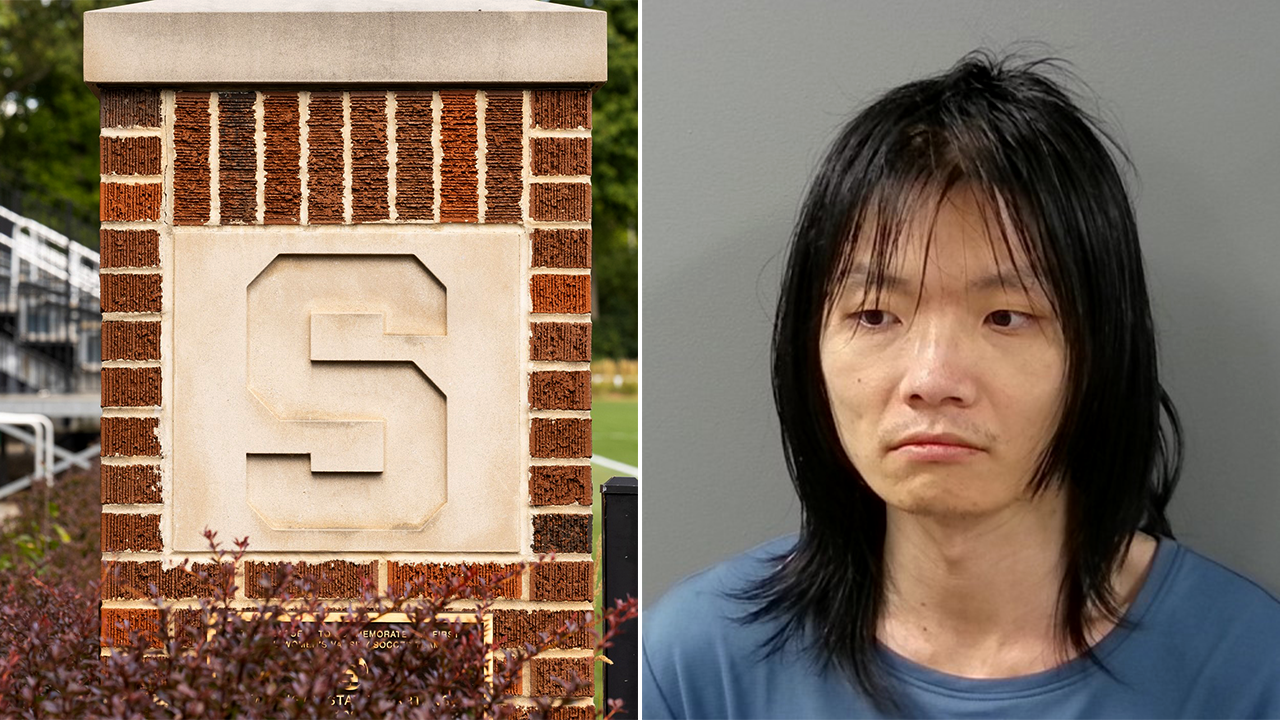
At the center of this unfolding drama was Xin Tong, a 31-year-old man whose presence in Wells Hall sent shockwaves through the campus. Officers arrived to find him, identity pieced together via his expired MSU student ID, lingering in a space that suddenly felt alien and dangerous. Tong, described in reports as the suspect, carried with him multiple bags that spoke volumes about his intentions. Imagine the weight of those bags, heavy not just with physical items, but with the potential for harm, hidden secrets that could unravel lives. He was arrested swiftly, facing a barrage of charges that painted him as more than just a trespasser—he was accused of orchestrating something far more illicit. Misdemeanor trespassing nestled alongside felony allegations tied to controlled substances, transforming a quiet figure into a symbol of clandestine activity. People on campus, students and staff alike, likely felt a mix of fear and disbelief; how could someone blend in so seamlessly, yet harbor such risks? This human element adds layers to the story—Tong’s background might involve personal struggles, perhaps a fall from grace, or misguided ambitions, but facts alone reveal a man tethered to the shadows, his actions disrupting the rhythm of a vibrant academic hub.
Delving deeper into the evidence, police uncovered a trove of incriminating items after securing a search warrant, peeking into Tong’s possessions and revealing tools of a trade that no university setting should witness. Bottles upon bottles contained chemicals notorious for their role in methamphetamine production: sodium hydroxide pellets that sting like forgotten warnings, hydrochloric acid evoking harsh memories of lab mishaps, methanol with its industrial edge, isopropyl alcohol often mistaken for harmless analgesics, acetone reeking of solvents, and butane that could ignite more than just stoves. These weren’t innocent supplies; they were the building blocks for destruction, pointing to a clandestine operation that Tong allegedly ran right under the noses of the academic community. Yet, in a twist that underscores the careful nature of investigations, authorities clarified that no full-blown meth lab existed within Wells Hall itself—it was all contained in personal property, a distinction that might soothe some frayed nerves but doesn’t erase the peril. The environment, tested rigorously by the Office of Environmental Health and Safety, was declared safe, a small comfort amid the storm. But humanizing this, one can’t help but think of the what-ifs: a wrong mix, a careless spark, and the potential for tragedy in a building teeming with lives. Tong’s choices ripple outward, affecting not just him but the collective trust of a place where innovation thrives.
The damage Tong left in his wake was no small feat, etching scars onto Wells Hall that speak to a period of reckless intrusion between April 10 and April 26. Doors bore the brunt of force, flooring warped under unexplained abuse, and fixtures twisted beyond recognition, with the total cost soaring over $20,000—a tangible testament to the chaos unleashed. It’s easy to envision the frustration of maintenance crews and administrators, piecing together the aftermath like detectives reconstructing a crime scene. Tong’s actions, labeled as malicious destruction, compounded his troubles, leading to charges that included felony-level offenses for operating a lab tied to methamphetamine. This wasn’t mere vandalism; it was a deliberate assault on a public space, disrupting the daily lives of educators and learners who depend on these halls for inspiration. On a human level, the outrage must be palpable—students studying late into the night, perhaps unaware of the intruder in their midst, now facing a reminder of impermanence. Such acts humanize the story into one of betrayal, where trust in communal spaces is eroded, urging reflections on security in an age where vigilance is paramount.
In response to the escalating situation, Michigan State University took decisive steps, evacuating Wells Hall on Monday and keeping it shut through Friday, erring on the side of caution to protect its community. The announcement filtered through emails and news alerts, turning what might have been a quiet campus day into a flurry of questions and concerns among students, professors, and families. No known threat lingered, officials assured, a balm to worried minds, but the evacuation painted a vivid picture of precaution’s true cost—missed classes, disrupted research, and the eerie emptiness of a building that usually pulses with life. It’s a testament to leadership prioritizing safety, yet it stirs empathy for those affected, like a professor rescheduling lectures or students scrambling for alternative study spots, their routines upended by another’s folly. The university’s press release, clear and steady, anchors the narrative, but human touches emerge in the collective sigh of relief as normality begins to creep back in. This incident, while isolated, echoes broader societal worries about intrusion in sacred spaces, making Wells Hall’s closure a Pause for introspection in the relentless march of academia.
As the legal gears turn, Tong remains in custody at the Ingham County Jail, held on a substantial $500,000 bond, with an additional hold from the Department of Homeland Security adding layers to his predicament. This international dimension hints at possible immigration ties, broadening the story beyond campus borders and into the realm of national security. Meanwhile, the episode at MSU intertwines with other national headlines, like the recent indictment of five Mexican nationals after a massive meth lab bust uncovering enormous drug quantities, spotlighting a persistent drug trade scourge. Closer to home, reports of hundreds joining the search for a missing Michigan college student, last seen disoriented, remind us of the concurrent tragedies that captivate public attention. These connections humanize the narrative, weaving Tong’s alleged crimes into a tapestry of broader human struggles—addiction, desperation, and loss. They evoke sympathy for victims of larger systems failing, while underscoring the importance of community action, like downloads of the Fox News app for staying informed. In essence, this story transcends a single arrest, inviting readers to ponder the fragility of safety in everyday environments and the resilience required to rebuild trust. As investigations deepen and lives intersect, the hope lingers that lessons learned from Wells Hall will fortify futures against similar shadows.