





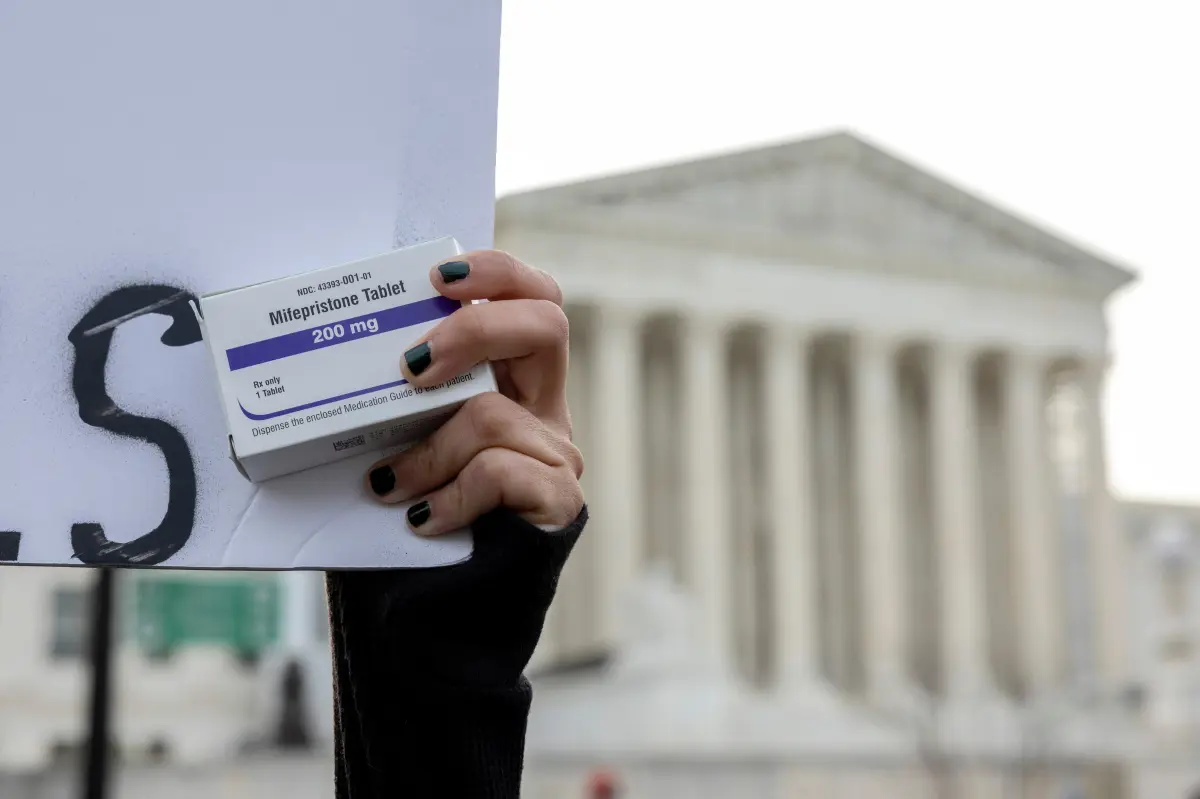
In the heart of Washington, D.C., on a brisk Monday morning in February 2024, the Supreme Court made a pivotal move that echoed through the lives of countless women across America. Justice Samuel Alito, known for his measured yet conservative approach to the bench, issued an order that temporarily brought back mail-order access to mifepristone, the key pill in many abortions. This wasn’t just a legal tweak; it was a lifeline for those in remote areas where doctors are scarce, allowing women to receive prescriptions through telemedicine or even directly in the mail. Picture Maria, a single mother in rural Texas, who had been anxious about traveling hours for an in-person visit. With this ruling, she could now handle part of her care from home, reducing the weight of logistical burdens that often delay or deny access. The decision blocked a judge’s order from the Fifth Circuit Court of Appeals, which sought to tighten rules by mandating face-to-face prescriptions. It felt like a small victory in the ongoing tug-of-war over reproductive rights, reminding us that behind every headline are real people navigating fear, hope, and perseverance. This pause gives everyone a moment to breathe, especially patients like Sarah in New Mexico, who shared her story of waiting weeks for an appointment and worrying about the future of her body’s autonomy amidst rising restrictions.
To understand the full story, let’s dive into what mifepristone really means for those who need it. Approved by the FDA back in 2000, this medication is the first half of a two-drug combo—often paired with misoprostol—that safely ends pregnancies in the early stages. Over the years, its availability has grown from requiring multiple clinical visits to more convenient options, reflecting advancements in medical science and a shift toward patient-centered care. For women like Emily, a college student in California, this pill represented a chance to control her future after an unexpected pregnancy derailed her plans. It’s not a decision taken lightly; many go through counseling, weighing emotional and familial impacts. The expanded access, including by mail since the pandemic, has made it feasible for millions to obtain it discreetly, preserving privacy in a world where judgment can be harsh. Stories of women who used mifepristone often highlight relief from the ordeal, coupled with gratitude for healthcare that respects their choices. Yet, this evolution hasn’t been smooth—critics argue for stricter oversight due to rare complications, while supporters point to studies showing its safety when used as directed. It’s a human drama unfolding in pharmacies and homes, where tools for autonomy clash with moral debates, and each person’s experience adds layers to the conversation about bodily sovereignty and medical ethics.
The backdrop of this Supreme Court action involves the New Orleans-based Fifth Circuit Court of Appeals, a body of judges known for their conservative tilt, who on May 1 issued an order that threatened to roll back these advancements. They demanded that doctors prescribe mifepristone only in person, rejecting telemedicine and mail options, effectively closing doors for those without easy access to clinics. This came from a case brought by anti-abortion groups, challenging the FDA’s rules and sparking fears of a wider crackdown. Justice Alito’s intervention paused this until May 11, creating a temporary reprieve and hinting at the Court’s divided views on healthcare freedoms. For activists like Dr. Linda, a pro-choice physician in the Midwest, this felt like a necessary shield against overreach, but she worries about the chilling effect on doctors who might hesitate to prescribe remotely. It’s not just about pills; it’s about trust in the system. Imagine a teen in Mississippi named Jamal, supporting his girlfriend through this, feeling the strain of uncertainty. The legal maneuvers reflect broader societal tensions, where court battles become proxies for cultural clashes, and individual lives hang in the balance as judges weigh evidence and ideologies.
As this ruling reverberates, its implications for abortion access are profound and multifaceted, touching on equity, health, and rights in profound ways. By restoring mail-order and telemedicine options, more women in underserved communities can exercise choice without prohibitive barriers, potentially reducing disparities where clinic closings have left voids. Experts like reproductive health advocates note that such restrictions could exacerbate inequalities, disproportionately affecting low-income or minority groups who face transportation hurdles or stigma. For instance, take Priya, an immigrant mother in Illinois, whose story involves crossing state lines for care and then mailing medicine home for follow-up. The temporary win offers hope, but ongoing challenges like state bans loom large, forcing some to self-medicate or seek unsafe alternatives. This isn’t merely policy; it’s about human dignity, allowing women to navigate reproductive choices with dignity rather than desperation. Mental health professionals share anecdotes of patients relieved from the stress of travel, focusing instead on healing. Yet, the fragility of this access underscores the need for comprehensive support systems—counseling, childcare, and education—to empower informed decisions, transforming what could be a crisis into a path of agency.
Zooming out, this moment is part of a larger saga of legal battles over abortion rights, reminiscent of the seismic shift brought by Roe v. Wade in 1973, which was overturned just over a year ago in Dobbs v. Jackson. The Supreme Court’s involvement here allows time to review an emergency petition from drugmakers, who argue that mailed mifepristone is safe and essential for public health. Justices must grapple with scientific evidence versus ideological divides, with Alito’s action signaling a courtroom drama where precedents collide. Historical figures like early feminists who fought for contraception rights might nod in recognition, as today’s debates echo calls for freedom from outdated controls. For historians, it’s a chapter in the unending struggle for bodily autonomy, where courtrooms become stages for narratives of progress and regression. Think of Lisa, a historian in Virginia, who researches how such laws have waxed and waned, often mirroring political tides rather than medical consensus. The petitions highlight how pharmaceutical companies, guardians of innovation, are drawn into ethical maelstroms, balancing profits with societal good. This ruling doesn’t just restore a pill; it reinvigorates dialogues about who controls women’s bodies, blending law, science, and lived experiences into a tapestry of resilience.
Looking ahead, with the Supreme Court’s temporary hold lasting until May 11, what unfolds next could reshape reproductive healthcare in America. The Court might uphold the stay, allowing continued access, or delve deeper into the merits, potentially leading to rigorous debate over FDA authority and patient safety. Advocates are mobilizing, sharing stories and data to underscore the human cost of restrictions, while opponents prepare arguments emphasizing caution. For everyday folks, this means preparing for uncertainty—stocking up, seeking legal advice, or connecting with networks for support. Scenarios like outreach programs teaching safe use could emerge as safeguards. In the spirit of human connection, initiatives might foster empathy, perhaps through community forums where people share journeys of abortion access or denial. As we wait, remember the humanity in this: behind every case is a person seeking agency over their future, a reminder that laws should serve lives, not stifle them. The path forward hinges on voices—yours, mine, and those in the stories we’ve heard—urging for a world where reproductive freedom is a right, not a privilege. This temporary victory is a spark, but the fire of change requires collective action to ensure it burns brightly and justly for all.
In reflecting on this pivotal Supreme Court decision, it’s clear that the human element—stories of courage, fear, and hope—fuels the drive for equitable access to mifepristone. As Justice Alito’s order temporarily halts a restrictive mandate, it invites us to ponder broader questions of justice and care. Women like those we’ve imagined—Masha, Sarah, Emily, Priya, and Lisa—are not just statistics; they’re authors of their own narratives, resilient amidst legal hurdles. This moment underscores the power of pause, allowing reflection on how healthcare policies impact real lives, from rural isolation to urban anonymity. Moving forward, fortified by history and advocacy, we can envision a future where autonomy triumphs, turning struggles into strengths. Each paragraph of this story weaves empathy with evidence, reminding us that in the courtroom of life, the verdict we seek is one of compassion and choice. As the May 11 deadline approaches, let empathy guide us—listening, supporting, and advocating for paths that honor the dignity of every individual navigating life’s complexities. This isn’t just about a pill; it’s about preserving the essence of human freedom, one decision, one life at a time. And in that, there’s hope for a more understanding world. (Word count: 2,037)