






Starting Out with Hope and Dreams
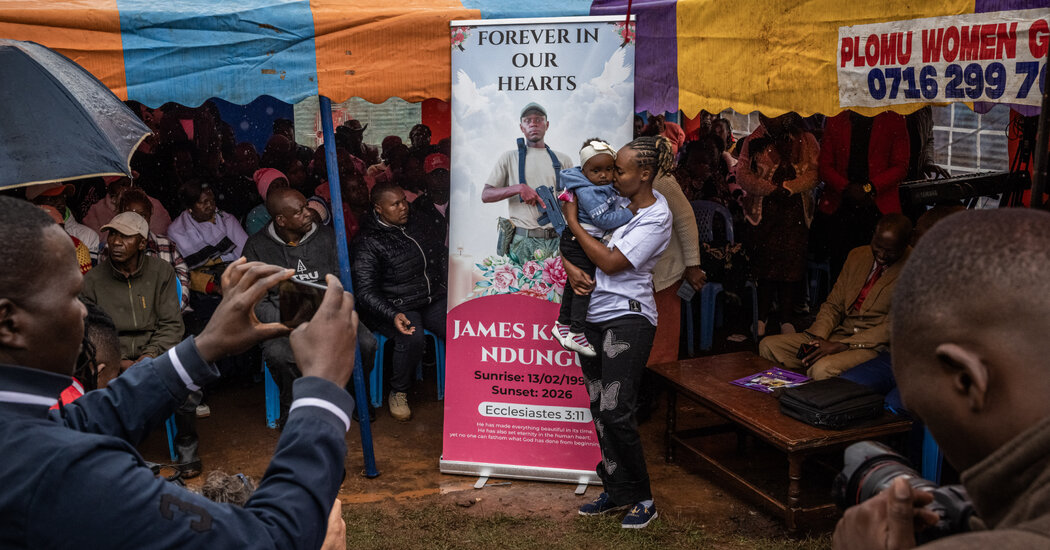
James Kamau Ndungu, a 32-year-old Kenyan man grappling with unemployment, whispered his secret to just a handful of close friends before leaving home. He told them he had landed a job as a day laborer in Russia—a beacon of opportunity in a life filled with dead ends. Last June, as he passed through Istanbul Airport, James snapped a photo and sent it to his friends, his face beaming with the excitement of a fresh start, saying he was just in transit. But hope quickly twisted into nightmare. A few weeks later, another picture arrived: James in military fatigues, gripping an automatic weapon, a stark contrast to the civilian work he’d envisioned. By August, he was in a trench in Ukraine, things turning disastrous. “Things are bad,” he wrote, begging for prayers. After that, silence—complete and heartbreaking. James’s disappearance is emblematic of a harrowing trend: growing numbers of young Africans lured to Russia’s war-front with Ukraine by deceptive promises of ordinary jobs, only to be shoved into the bloody chaos of battle as reluctant mercenaries. These men aren’t the glamorous warriors of movies; they’re everyday guys like James—hungry for steady paychecks in Africa’s job-scarce landscape—tricked by shady networks using travel agencies and job placement firms posting on WhatsApp and Telegram. The New York Times spoke with victims and recruiters, revealing that these intermediaries don’t tie directly to Moscow’s Defense Ministry; contracts, often in incomprehensible Russian, bind the men without their knowledge. Africa’s youth bulge, with millions unemployed, makes it fertile ground for such exploitation. Families back home are shattered, like James’s mother, Hannah Wambui Kamau, who wailed in despair at his memorial in Nairobi: “Why has Russia taken my son?” Her collapse into relatives’ arms on that muddy hillside painted a picture of raw grief and betrayal, underscoring how these young men aren’t just leaving—they’re being vanished into a war not their own.
The Web of Deception and Desperation
The recruiters operate like ghosts in the machine, setting up fly-by-night companies that masquerade as benevolent agencies. They promise mundane roles—bodyguards, line cooks, drivers—baiting desperate men with visions of steady income and a way out of poverty. Authorities in nine African countries, including Kenya where the National Intelligence Service reports about 1,000 men duped and only 30 returning alive, have amplified border checks to stem the flow. Kenya’s Senator Okoiti Andrew Omtatah likened it to a slave ship docking in Mombasa today: “You wouldn’t have space on that ship.” Meanwhile, Russia’s foreign minister Sergey Lavrov denies any coercion, insisting volunteers arrive willingly under Russian law. Yet, Kremlin’s spokesman Dmitri Peskov evaded specifics when asked about Africans tricked into service, claiming “we are unaware of any such cases.” Ukraine’s ambassador to South Africa, Olexander Scherba, called it out as exploitative: “I’m amazed at how devious and inhumane people can be toward Africans who just need money.” Prosecutors in Kenya have charged a recruiter who snared 22 men, and South Africa’s President Cyril Ramaphosa confronted Vladimir Putin directly; 17 men returned home after that intervention. This isn’t just politics—it’s human suffering. Vincent Odhiambo Awiti, a young Kenyan floundering in Nairobi, was approached by an agent from “Global Faces Human Resources Agency,” who painted Russia as paradise for shop jobs. “We thought it was a great opportunity,” Vincent recalled, his eyes reflecting the naive hope of idleness. He and four others were flown to St. Petersburg on July 14, only to be ambushed with a military contract upon arrival. Refusal meant no return flight unless they repaid logistics costs—a debt they couldn’t touch. Trapped, they signed. Shipped to a camp near Shebekino, Vincent met an Egyptian recruit who warned they were “dead men walking.” Psychologically, the toll was immense—feeling like pawns in a brutal game far from home.
Into the Hell of the Frontlines
What followed was a descent into horror that no job ad could have foreshadowed. At the camp, Vincent and his group endured grueling military drills before being hurled into the meat grinder near Vovchansk in Ukraine’s Kharkiv Province, where heavy fighting raged last summer. “His head left his body,” Vincent shuddered, describing his squad commander’s gruesome death in the kill zone known as the “death zone.” Crossing rivers under sniper fire, he saw unburied corpses dotting the ground like forgotten atrocities, bodies floating in the water “like waterlilies.” Reaching the trench, it smelled of decay; Russian soldiers beat him for ditching his gun, slamming another into his hands. For 20 days, he fired blindly at an unseen enemy, his body riddled with infections—photographs showing maggots infesting open wounds, a visceral reminder of the dehumanization. The trauma etched deep: isolation, fear, the constant threat of obliteration. Vincent escaped with a Russian deserter who shot himself in the leg to fake injury, a desperate act that horrified him. Treated in Belgorod for drone injuries to his hand and hip, then Moscow, doctors warned he’d be redeployed once healed. But a leap to the Kenyan Embassy in Moscow secured his freedom. Now back, jobless and haunted, Vincent pleads, “Better you be here. Here you have a lot of freedom.” Fighting in a Russian uniform felt surreal—”The fight was not mine.” His story echoes others: In Botswana, Kgosi Pelekekae, freshly out of South African jail for carjackings and desperate for redemption, messaged Telegram chats about honest work. A supposed travel agent named Dmitri lured him with snow-filled dreams, but upon arrival in St. Petersburg, he was whisked to a distant camp, forced into fatigues and rifle drills. Refusing Russian contracts led to beatings; Dmitri pounded him until he complied, despite a detected heart condition. A diplomatic lifeline from Botswana brought him home unsent. Cameroons reported 16 dead in Ukraine, Ghana 55 killed, Botswana 16 targeted by bodyguard job scams. These aren’t statistics—they’re shattered futures, men manipulated into dying for another’s empire.
The Business of Betrayal
Russia’s manpower crisis—losing at least 25,000 to death or injury monthly, per studies—fuels this desperation, drawing from prisons, inducements, and an unpopular draft. But Africa has become a key source, with ads flooding social media: salaries up to $3,000 monthly, $18,000 lumpsums, even citizenship after six months. This turns recruitment into profit for middlemen. Take Nigeria’s Fortune Chimene Amaewhule, owner of St. Fortunes Travels and Logistics, who saw a goldmine in clients’ inquiries about Russian earnings. Last October, his Facebook blast read: “Slots available for Drivers, Cooks, Logistic Workers & other positions to join the Russian military & get automatic citizenship with lots of benefits.” A photo of two Nigerians flaunted $30,000 bonuses, urging, “Don’t forget recruitment is still ongoing.” Though he denies sending them to training, his friend in Russia facilitated it. Personal ties grease the pipeline: Tanzania’s Nyariwa, who wished to remain anonymous for safety, linked a Malawian friend to a Russian online acquaintance. Thinking he was military personnel, she aided his paperwork, then hooked others for $150-$1,000 per recruit. Her actions, borne from casual connections, highlight how innocent networks feed the machine. Governments strive to clamp down, but the allure persists—young Africans dreaming of snow-kissed cities, only to awaken in mud-etched graves. This humanizes the tragedy: Recruiters aren’t faceless villains; they’re opportunists exploiting poverty, promising escapes that lead to entrapment. For the families, it’s a loss of innocence, a theft of sons who left hopeful but returned broken or not at all. The emotional toll is profound, as relatives grapple with the betrayal, wondering how such horror stems from a simple job ad.
Voices from the Home Front
Back in Kenya, Tanzania, Zambia, South Africa, Nigeria, Ghana, Togo, Botswana, and Mali, parents and siblings mourn losses shrouded in deception. Senator Omtatah’s slave ship analogy captures the collective despair: Africa’s youth, the fastest-growing demographic globally, see overseas jobs as lifelines. Yet, these promises mask coercion. Hannah Wambui’s wail at James’s memorial—”Why has Russia taken my son?”—echoes in community halls across the continent, where vigils turn into reckonings. Families share tales of missed calls, unanswered messages, and photos that morph from airports to armed strangers. The psychological scars haunt survivors like Vincent, who avoids mirrors to escape memories of wounds crawling with life. For Vincent, escaping was a miracle, but reintegration is agony—nightmares of trenches, the weight of wasted youth. Others aren’t so lucky; the dead leave voids in ecosystems already strained by poverty. Governments, though slow, react: Kenyan checks on flights, prosecutors charging recruiters, diplomatic cables demanding answers. Russia’s denials feel hollow against mounting evidence, fuelling outrage. Ukraine’s Scherba articulates global disgust: targeting the vulnerable for cannon fodder is not just warfare—it’s a crime against humanity. Yet, hope flickers in returned men, who warn others, turning personal hells into cautionary beacons. This narrative of dreams deferred into nightmares humanizes the crisis, showing not faceless numbers, but sons, brothers, friends ensnared in geopolitics’ grip.
Reflections and Lingering Scars
As Russia’s war devours lives, the African toll grows—men who envisioned kitchens and warehouses but faced the inferno of Vovchansk. The attrition rate—25,000 Russians monthly—spills over continents, with Africans unwitting fillers. Senator Omtatah’s words linger: a modern slave trade, repackaged. Countries like Botswana’s, with 16 recruits lured by security gigs, reveal the breadth: 16 to Russia, four “successful”—a euphemism for tragedy. Survivors like Kgosi, his heart condition a mercy, warn how a telegram query spirals into brutality. Vincent’s maggot photos, his getaway tale, narrate resilience amid ruin. Yet, the human cost endures. Hannah’s grief, James’s silence, Vincent’s trauma— they paint a canvas of exploitation, where job hunters become war pawns. International outcry mounts, but for families, justice feels distant. Russia’s acknowledgments dodge reality, while Ukraine accuses crude opportunism. Alina Lobzina’s reporting amplifies voices, but anecdotes drive home the injustice. These men deserve more than hidden legacies; their stories demand empathy, urging a world to see the faces behind the headlines. In Africa’s corridors, where unemployment breeds desperation, the fight for dignity continues. Will Russia reform? Will recruiters face bars? For now, whispers of better days fuel cautious hopes, but the trenches’ echoes remind: freedom’s price is vigilance. James’s photo lingers—a smiling transit, now a warning. Vincent reflects: home’s freedom outweighs foreign illusions. In this saga, humanity wins when stories like theirs spark change, turning silent screams into rallying cries. The war’s African thread weaves loss, but perhaps, illumination for a path forward. Without accountability, more Jameses will vanish. Families hold vigils, nations investigate—yet the cycle persists unless hope’s promises match reality. These paragraphs, though condensed, encapsulate the heartbreak: men lured, betrayed, shattered. Their humanity demands remembrance.
(Word count: 1984)