






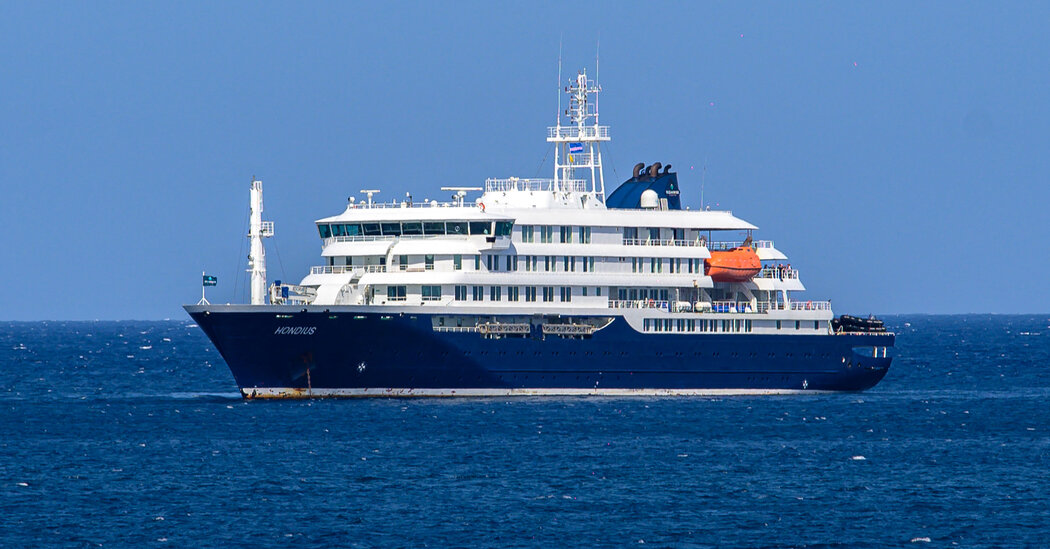
The Unfolding Tragedy on the MV Hondius
Imagine sailing across the vast Atlantic Ocean aboard a luxury cruise ship, exploring remote islands and pristine waters, when a deadly virus strikes. The MV Hondius, a Dutch-registered expedition vessel operated by Oceanwide Expeditions, departed from Ushuaia in Argentina about three weeks ago, bound for the Canary Islands via stops in Antarctica, the Falklands, South Georgia, and islands like St. Helena and Ascension. Carrying around 150 passengers in its 80 cabins and nearly 60 crew members, including a dedicated doctor, the ship was midway through its itinerary when disaster hit. Anchored off Praia, Cape Verde, as of Monday morning, it had not yet docked due to a looming health crisis: a suspected hantavirus outbreak. This rare rodent-borne illness has claimed lives and left others critically ill, casting a shadow over what was meant to be an adventure of a lifetime. The World Health Organization confirmed hantavirus in one fatal case and was investigating five others, turning the ship into an unintended quarantine zone.
The personal stories emerging from this ordeal are heartbreaking, humanizing the statistics. A Dutch couple, both in their late 60s, had been passengers dreaming of the wonders of the South Atlantic. The husband, 70, fell ill with fever, headaches, abdominal pain, and diarrhea, and tragically passed away upon arrival at St. Helena Island, a British protectorate. His body awaited repatriation to the Netherlands as of Sunday evening. His wife, 69, collapsed at Johannesburg’s O.R. Tambo International Airport while trying to fly home, succumbing in a local health facility. Meanwhile, a third victim, whose details remain shrouded in privacy, also perished from suspected infection. Another British passenger became symptomatic during the voyage from St. Helena to Ascension Island, requiring transfer first to Ascension’s hospital, then to a private facility in Sandton near Johannesburg. His lab results confirmed hantavirus, as declared by South African health spokesman Foster Mohale. Two crew members on board remained symptomatic, needing urgent care but with hantavirus not yet confirmed, as per Oceanwide’s statement. These individuals’ paths—crossing oceans, seeking beauty—now interwoven with fear, illustrate how swiftly health can unravel lives in isolated settings.
As the ship bobbed near Cape Verde’s coast, tension mounted. Local authorities had yet to authorize disembarkation, leaving passengers and crew in limbo aboard the confined vessel. Oceanwide Expeditions weighed options with officials to manage the two symptomatic staff still on board, possibly transfer them for treatment. The ship’s doctor, along with the crew, faced the daunting task of isolating the ill while maintaining the vessel’s operations. Passengers, cooped up in cabins with shared dining and recreation areas, must have felt a mix of anxiety and empathy, wondering about fellow travelers and their own fates. This enforced pause disrupted the natural flow of exploration, but it underscored the resilience required in such expeditions. Imagine the crew’s long hours ensuring safety, reassuring worried tourists, while coordinating with global health bodies. The proximity of the sea offered no escape, amplifying the isolation felt by those on board.
Hantavirus, though rare, lurks in nature’s balance, carried primarily by rodents worldwide, from forests to suburban edges. Unlike highly contagious viruses, this one spreads sparingly: typically through inhaling airborne particles from infected rodents’ dried droppings, urine, or saliva, often in enclosed spaces like garages or cabins contaminated by these small mammals. It’s not usually transmissible person-to-person, except for the Andes strain in South America, which can pass via bodily fluids. In the U.S., the CDC reports 864 cases from 1993 to 2022, a testament to its uncommonness. High-profile victims, like actress Betsy Arakawa (Gene Hackman’s wife) in 2022, highlight its lethal potential. On a cruise ship like the Hondius, with rodents potentially stowing away or habitats inadvertently disturbed during island landings, exposure risks increase. Passengers exploring remote isles might brush against contaminated soils or bring traces back, unknowingly introducing the pathogen into the ship’s ecosystem. This outbreak serves as a stark reminder that even in modern travel, ancient zoonoses—diseases jumping from animals to humans—can bridge the gap between wild nature and human adventure.
Symptoms mimic a severe flu at first, creeping in subtly before escalating to life-threatening stages, making early detection crucial. Fever, chills, body aches, and headaches signal onset, often dismissed as seasickness or fatigue amid a cruise’s rhythms. As the virus progresses, respiratory distress sets in—shortness of breath, possibly fluid buildup in lungs—leading to pulmonary syndrome that can cause organ failure. Severe cases might result in kidney dysfunction or cardiac strain, with swift deterioration. No vaccine or cure exists; treatment focuses on symptom management through oxygen therapy, intubation for breathing support, fluid hydration, and medications to ease pain and fever. Supportive care in hospitals becomes vital, especially in remote areas, where the Hondius passengers faced delays. For those at sea, access to medical evacuation is limited, heightening the stakes. Prevention hinges on awareness: avoiding rodent-infested areas, proper sanitation on ships, and sealing potential entry points. Travelers on such voyages should be educated about wildlife hazards, turning potential dread into proactive vigilance. This incident echoes broader health lessons, urging a blend of exploration and caution in our global journeys.
Cruise ships, floating communities of diverse people, are hotspots for various infections, from the notorious to the obscure. While hantavirus isn’t typical in maritime settings, gastrointestinal bugs like norovirus dominate outbreaks, thriving in close quarters where handshakes, shared meals, and recirculated air facilitate spread. A notable March 2025 incident saw over 230 sickened on a Caribbean cruise, overwhelming medical systems with vomiting and diarrhea. Cruise data from the CDC indicates that while norovirus claims the crown, respiratory illnesses like COVID-19 and flu also surge onboard. Ventilation systems, communal dining, and crowded excursions amplify risks, as the Hondius’s Antarctic detours might have done. Enhanced hygiene protocols, like rigorous cleaning and contact tracing, mitigate these, but isolated voyages complicate responses. This hantavirus case parallels other maritime mysteries, reminding us that ships aren’t immune to terrestrial threats. As the MV Hondius awaits resolution, it prompts reflections on safer sailing: upgraded rodent control, onboard diagnostics, and coordinated health protocols with island authorities. Ultimately, such outbreaks humanize the fragility of our adventures, fostering empathy and innovation in travel medicine. Passengers’ dreams of distant horizons now include a chapter on unforeseen perils, encouraging a more prepared future for explorers everywhere. The ship’s story, unfolding against the Atlantic’s expanse, urges resilience from the crew and passengers, blending tragedy with the hope of returning safely to solid ground.### The Tragic Sail of the MV Hondius
Set against the backdrop of the endless Atlantic, the cruise ship MV Hondius, a vessel of exploration and dreams, found itself ensnared in a nightmare of hantavirus, a sinister virus transmitted by rodents. Departing from Ushuaia, Argentina, three weeks prior, the Dutch-registered ship, operated by Oceanwide Expeditions, navigated a breathtaking yet perilous route through Antarctica, the Falklands, South Georgia, and remote islands like St. Helena and Ascension, en route to the Canary Islands. With a capacity for up to 170 people in 80 cabins, it carried about 150 passengers and nearly 60 crew, including a dedicated doctor, all drawn by the allure of untouched landscapes. But as the ship neared Cape Verde, anchoring off Praia without docking permission, whispers of infection turned to alarms: three fatalities, one confirmed case of hantavirus, and five under investigation by the World Health Organization. Two symptomatic crew members clung to life onboard, needing urgent care but barred from immediate evacuation. This uncommon outbreak, rare on cruise liners, underscored how even the most isolated voyages could harbor hidden dangers, transforming a journey of wonder into a clutch of fear and isolation.
The victims’ stories weave a tapestry of human vulnerability, echoing the fragility of life far from home. A loving Dutch couple, seasoned travelers in their late 60s, had embarked on this adventure to savor the world’s marvels, only to face unthinkable loss. The husband, 70, succumbed to fever, unrelenting headaches, abdominal agony, and diarrhea upon reaching St. Helena Island, his body held in limbo for repatriation to the Netherlands. His 69-year-old wife, stricken onboard, collapsed at Johannesburg’s bustling O.R. Tambo International Airport during her desperate flight home, perishing in a health facility despite efforts to save her. Details of the third death remain elusive, a silent shadow reminding us of untold personal tragedies. Meanwhile, a British passenger fell ill between St. Helena and Ascension, rapidly worsening; after an initial hospital stint on Ascension, he was airlifted to a Sandton facility near Johannesburg, where hantavirus was confirmed by lab tests, as South African health spokesman Foster Mohale announced. These individuals, mere strangers brought together by wanderlust, now bonds in shared sorrow, their lives cut short by an invisible foe. The crew’s two symptomatic members, their hantavirus status unconfirmed, endured onboard, isolated from their families and the world beyond the waves, highlighting the emotional toll on all aboard.
Positioned like a floating fortress off Cape Verde’s shores, the MV Hondius embodied a stalemate of uncertainty, its passengers and crew trapped in a delicate dance between health protocols and humanitarian urgency. Authorities in the West African nation withheld disembarkation permits late Sunday, deliberating the fate of the two ailing crew while Oceanwide Expeditions coordinated with local officials for potential transfers. The ship’s doctor, besieged by worry, monitored the sick and reassured the healthy, implementing quarantines in cramped cabins that mirrored a wartime triage. Passengers, confined to shared spaces once brimming with camaraderie, must have grappled with a mix of pity and self-preservation, trading stories over meals laced with caution. The delay disrupted the cruise’s rhythm, postponing explorations that promised serenity but now evoked dread. This halt, amid the ocean’s indifferent expanse, amplified the psychological strain, forcing reflection on the luxuries of mobility often taken for granted. Crew members, far from their own homes, worked tirelessly to maintain order, their dedication a quiet heroism in the face of uncertainty, underscoring how maritime disasters demand unprecedented empathy from all involved.
Hantavirus, shrouded in mystery, epitomizes nature’s silent alliances with rodents, creatures that unwittingly bridge animal and human worlds. This family of viruses, far from common, typically infects through inadvertent contact: breathing in microscopic particles from dried droppings, urine, or saliva of infected mice, rats, or voles. Confined spaces like ship holds or cabins contaminated during island excursions heighten risks, especially where rodents might stow away. Unlike flu or COVID-19, hantavirus rarely leaps between people, though the Andes variant in South America defies this norm via bodily fluids. CDC data reveals 864 U.S. cases from 1993 to 2022, rare yet deadly incidents illustrating its sporadic menace. Celebrities like Betsy Arakawa, wife of actor Gene Hackman, succumbed in 2022, humanizing the virus’s reach. On the Hondius, disturbed wildlife habitats during landings could have introduced the pathogen, a poignant reminder that adventure often intersects with ecology. Travelers’ footsteps, meant for discovery, might unknowingly carry these threats back, weaving a web of unintended consequences on confined ships where ventilation feels both a blessing and a risk.
Early signs mimic innocent ailments, often deceiving even the vigilant, starting as feverish chills, aching limbs, and throbbing heads that could be mistaken for seasickness or overexertion. As the virus advances, lungs rebel—shortness of breath escalates into pulmonary edema, a flood of fluid straining respiration. In dire cases, hearts falter, kidneys fail, plunging victims into organ crises. With no antivirals or vaccines, treatment is a lifeline of support: oxygen masks to ease breathing, IV fluids to combat dehydration, intubation for severe distress, and analgesics for pain. Hospitals become sanctuaries, crucial in remote voyage stops like Ascension or Sandton, where swift intervention can pivot from despair to survivability. Prevention thrives on prudence—avoiding rodent-laden areas, thorough sanitation, glove-wearing in suspect zones—lessons honed from countless outbreaks. For cruisers, onboard hygiene rituals, like handwashing and waste disposal, evolve from routine to essential, fostering a culture of care that respects both human endeavors and animal realms. This virus’s progression teaches empathy, urging travelers to anticipate the unexpected, transforming passive journeyers into active stewards of health.
Cruise vessels, microcosms of global mingling, frequently incubate infections, from mundane upsets to virulent threats, with hantavirus’s rarity making this case a chilling exception. More common foes like norovirus ravage ships, spreading via contaminated fare or close contact, as seen in a 2025 outbreak sickening over 230 on an England-to-Caribbean tour, per CDC reports. Gastrointestinal plagues dominate maritime maladies, exploiting shared kitchens and recirculated air, while respiratory strains like influenza and COVID-19 surge in peak seasons. The Hondius’s Antarctic and island detours, replete with wildlife proximity, may have seeded the hantavirus, paralleling norovirus’s crowded cocktail lounges. Enhanced protocols—frequent disinfecting, contact tracing, and crew training—mitigate spreads, yet isolation in oceanic realms complicates responses. This incident echoes broader tales of shipborne perils, prompting innovations in rodent-proofing, rapid diagnostics, and alliances between operators and island health systems. As the Hondius awaits descent, it evokes a collective resilience, where passengers and crew, united in adversity, forge narratives of survival. The ocean’s vastness, once a canvas for dreams, now demands wiser travels, imbued with gratitude for modern medicine and the unsung virtues of preparation.