




A Flawed Dawn: Can Iran Escape Its Decades of Global Isolation?
Despite the physical and economic wreckage left by a blistering sixteen-week war with the United States and Israel, Iran is standing at the precipice of its most transformative geopolitical and economic shift in nearly half a century. For decades, the Islamic Republic has operated as an international economic pariah, suffocated by layers of Western trade embargoes, financial blacklisting, and diplomatic excommunication designed to paralyze its sovereign ambitions and isolate its energy-rich economy from the global framework. Yet, beneath the smoking debris of targeted airstrikes in Tehran and crucial domestic transport terminals, a surprising and highly ambitious diplomatic undercurrent is reshaping the nation’s long-term horizon. If the fragile framework brokered between the pragmatic Iranian President Masoud Pezeshkian and Washington can find its footing, it could signal the formal readmission of this Middle Eastern energy giant into the global financial architecture, forever altering the calculus of Middle East geopolitics and international energy distribution. This tentative pivot from pariah state to global trade partner is not merely a localized truce; it is a fundamental reconfiguration that could dismantle the decades-old regime of containment, forcing global markets to prepare for the re-emergence of an economic powerhouse long kept in the shadows.
The Delicate Swiss Road: Navigating Regional Landmines and Unpredictable Diplomacy
                    ┌───────────────────────────────────────┐
                    │      Trump-Pezeshkian Framework       │
                    └───────────────────┬───────────────────┘
                                        │
           ┌────────────────────────────┴────────────────────────────┐
           ▼                                                         ▼
┌──────────────────────────────┐ ┌──────────────────────────────┐
│ Immediate Obstacles │ │ Strategic Milestones │
├──────────────────────────────┤ ├──────────────────────────────┤
│ • Postponed Swiss talks │ │ • Sanctions relief (60 days) │
│ • Israel-Hezbollah clashes │ │ • $300B Reconstruction Fund │
│ • Geopolitical volatility │ │ • Financial system reboot │
└──────────────────────────────┘ └──────────────────────────────┘
The diplomatic journey from a preliminary handshake to a legally binding, durable peace pact remains a perilous high-wire act, threatened by deeply entrenched regional hostilities and the structural volatility of the negotiating parties. The immediate vulnerabilities of this peace process were laid bare almost immediately when highly anticipated bilateral talks scheduled in Switzerland were abruptly postponed amid a fresh wave of military strikes between Israel and Hezbollah in Lebanon, reminding negotiators that regional proxy battlefields can quickly derail progress made at the diplomatic table. Yet, despite these volatile undercurrents, the structural foundation of the agreement—forged directly under the administration of U.S. President Donald Trump—represents an unprecedented departure from standard diplomatic playbooks, leaving many analysts cautiously optimistic. Veterans of Middle Eastern diplomacy point out that while Trump remains an intensely volatile and transactional leader whose reliability is viewed with deep skepticism in Tehran, his distinct brand of disruptive, zero-sum diplomacy possesses a unique capacity to break decades-old foreign policy deadlocks that more traditional administrations would never dare challenge. The high stakes of this diplomatic gamble have created a sense of cautious anticipation within Iran’s political establishment, where leaders recognize that this highly fraught, high-reward engagement could be their final opportunity to secure a sustainable pathway toward international normalization before structural economic collapse becomes inevitable.
Redefining the Persian Gulf: The Strait of Hormuz and a $300 Billion Reconstruction Vision
                      ┌───────────────────────────┐
                      │     Strait of Hormuz      │
                      │ (Strategic Maritime Pivot)│
                      └─────────────┬─────────────┘
                                    │
       ┌────────────────────────────┴────────────────────────────┐
       ▼                                                         ▼
┌──────────────────────────────┐ ┌──────────────────────────────┐
│ Revenue Generation Stream │ │ Regional Asset Access │
├──────────────────────────────┤ ├──────────────────────────────┤
│ • Cargo transit fees │ │ • $300B development fund │
│ • Maritime security pricing │ │ • Unfrozen offshore cash │
└──────────────────────────────┘ └──────────────────────────────┘
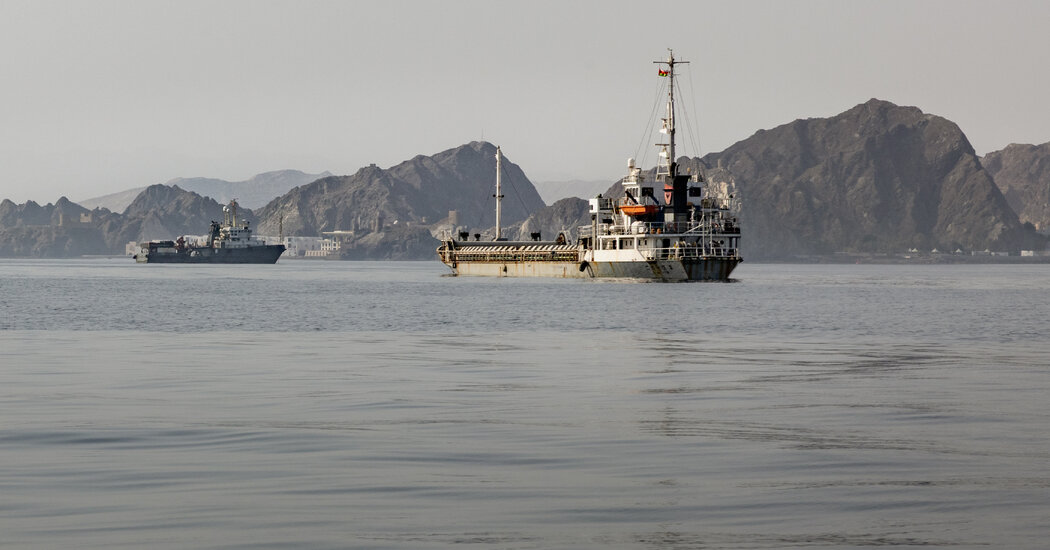
If the foundational pillars of the Trump-Pezeshkian framework manage to withstand the inevitable regional shocks, the economic dividends for Iran will be nothing short of revolutionary, dismantling the highly punitive system of sanctions on oil exports and financial movements that have crippled the nation’s domestic growth. Beyond the highly anticipated lifting of unilateral economic blockades and the subsequent release of tens of billions of dollars in frozen offshore assets, the proposed treaty outlines a regional master plan that includes the establishment of an unprecedented $300 billion multilateral reconstruction and development fund, backed by international donors and regional neighbors, specifically designed to rebuild Iran’s shattered transport, electrical, and commercial infrastructure. Most shocking to international maritime and defense analysts, however, is a groundbreaking clause within the U.S.-Iran agreement that envisions Tehran establishing a lucrative and legally recognized revenue stream by levying transit and security fees on the thousands of commercial cargo vessels navigating the Strait of Hormuz—the world’s most critical maritime oil chokepoint. Such a seismic development, which would have been militarily and politically unthinkable prior to the outbreak of the sixteen-week war, effectively transition Iran from a hostile maritime threat to an internationally sanctioned gatekeeper of global energy flows, fundamentally altering the economics of global shipping and providing Tehran with an unprecedented, permanent stream of hard currency.
Fractured Alliances and Regional Reshaping: The Dubai-Tehran Connection
This rapid reordering of Western-Iranian diplomatic relations has sent shockwaves through the geopolitical landscape of the Persian Gulf, forcing neighboring Arab monarchies to reassess their historical reliance on American security guarantees and redraw their own economic blueprints. For decades, the wealthy nations of the Gulf Cooperation Council, most notably the United Arab Emirates and Saudi Arabia, have formulated their foreign security policies under the assumption of unshakeable American protection against Iranian hegemony, but the sheer destructiveness of the recent war—and Washington’s sudden pivot toward a grand bargain with Tehran—has shattered that strategic certainty. This diplomatic realignment places a glaring spotlight on the critical, highly complex economic relationship between Iran and the United Arab Emirates, specifically Dubai, which has historically functioned as a vital, sanctions-skirting financial hub and mercantile gateway for Iranian businesses looking to access global markets. While the formal normalization of Iran’s economy could potentially breathe new life into these historic cross-border trade corridors, it remains highly uncertain to what extent these informal, grey-market financial networks will be integrated into a newly legitimized, transparent framework of international commerce, or whether a direct, legally sanctioned Iranian market will diminish the traditional intermediary dominance of Emirati traders.
Sixty Days of Trust: The Immediate Relief for 90 Million Iranians
     Day 1                                                       Day 60
       ├───────────────────────────────────────────────────────────┤
Blockade Lifted                                             Final Treaty Signed
- Reopen Strait of Hormuz                                   - Long-term stabilization
- Terminate maritime sanctions                              - Re-establish SWIFT access
- Direct oil sales (no discount)                            - Sovereign investment flow
Before these sweeping, generational transformations can take root, both Washington and Tehran must successfully navigate a highly sensitive sixty-day confidence-building window, a transitional phase designed to provide immediate economic breathing room to Iran’s battered population of approximately 90 million citizens while testing the geopolitical compliance of both signatories. The immediate terms of this crucial interim period mandate the full lifting of the ruinous maritime blockade of Iranian shipping routes that began in April, alongside a formal mechanism allowing Tehran to immediately resume direct, open-market crude oil exports to international buyers. This policy shift is of monumental significance: by stripping away the crippling discounts of the “shadow fleet” market—where Iran was forced to sell heavily cheapened oil to risk-tolerant buyers like China—the state treasury will experience an immediate influx of full-value foreign currency, stabilizing the volatile domestic rial and driving down the exorbitant black-market inflation premiums that have made basic foreign goods, medical supplies, and consumer technologies unaffordable for ordinary citizens. Furthermore, the systematic release of targeted tranches of frozen central bank assets will provide the Pezeshkian administration with the localized liquidity needed to address pressing domestic grievances, demonstrating to a skeptical and war-weary public that diplomacy with the West can deliver tangible, kitchen-table economic relief.
Capital over Crude: Why Financial Integration Holds the Key to Iran’s Industrial Future
Ultimately, the trajectory of Iran’s long-term economic renaissance will depend far less on the raw extraction and export of crude oil than on the thorough, systemic reintegration of its domestic financial institutions into the global banking architecture. While a sudden influx of state-level oil revenues will undoubtedly provide immediate solace to the government’s budgetary deficits, prominent economists argue that the comprehensive removal of secondary banking sanctions and the restoration of international SWIFT connectivity are what will truly catalyze the private sector, permitting ordinary Iranian entrepreneurs, artisans, and manufacturing firms to trade directly on the global market. Furthermore, years of absolute economic isolation forced Iran to construct a highly resilient, diversified domestic manufacturing base to satisfy local consumer demand—a structural silver lining that, when combined with an undervalued national currency, positions the country to compete aggressively as a high-efficiency regional exporter of automotive, pharmaceutical, and industrial goods to markets across Central Asia and the Caucasus. However, this promising industrial future remains hostage to Iran’s internal governance: if the ruling elite fails to tackle the systemic economic rot of corruption, state mismanagement, and domestic repression, even the most generous international peace deal will do little more than enrich a select political class, leaving the true economic potential of Iran’s dynamic, highly educated youth largely unrealized.