





The Battle for the Strait: How Geopolitical Discord and Conflicting Narratives Keep Global Shipping on a Knife Edge
The Geopolitical Tightrope and the Sudden Whiplash of the Hormuz Chokepoint
                       THE STRATEGIC CHOKEPOINT

[ PERSIAN GULF ]                                   [ ARABIAN SEA ]
       │                                                  ▲
       └───► [ STRAIT OF HORMUZ ] ────────────────────────┘
             (21-mile-wide vital energy jugular)
                     │
             ┌───────┴───────┐
             ▼               ▼
       [ U.S. CENTCOM ]    [ IRANIAN IRGC ]
       "Strait is open"    "Security is at risk"
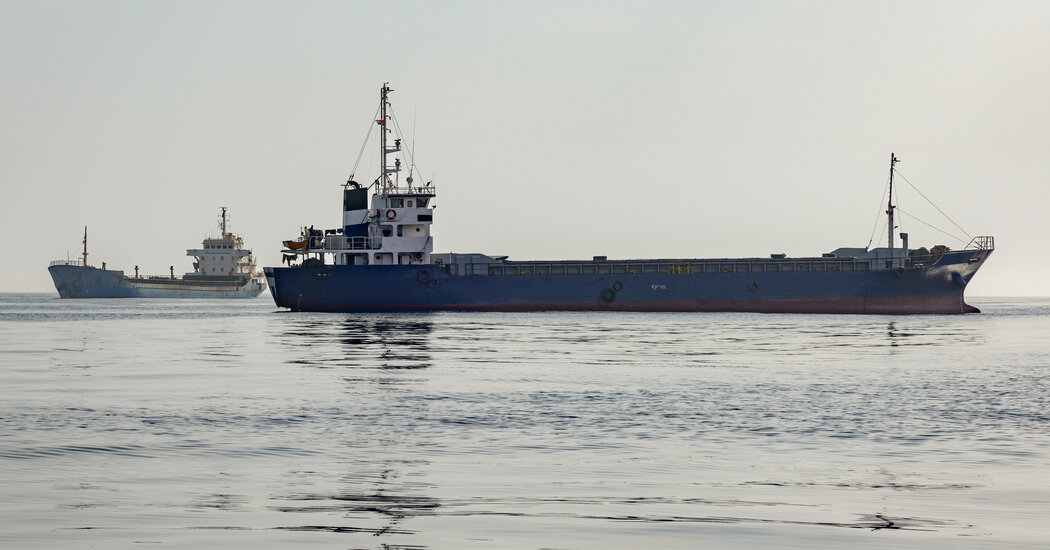
The Strait of Hormuz, a narrow and volatile maritime corridor through which a fifth of the world’s petroleum consumption flows, has once again plunged into a state of acute uncertainty, exposing the profound fragility of the latest diplomatic overtures between the United States and Iran. Just days after Washington and Tehran negotiated a tentative, preliminary framework designed to de-escalate regional hostilities and systematically reopen this vital maritime highway, global energy markets were hit with a sudden wave of whiplash. On Saturday, a surprising and highly disruptive proclamation emerged from the upper echelons of the Iranian military establishment, declaring that the strategic waterway would be closed off to international transit once more. This sudden pivot illustrates the volatile reality of merchant shipping in the Middle East, where weeks of delicate, back-channel diplomacy can be instantly undone by a single military directive. For international maritime operators, global energy cartels, and supply-chain strategists, this sudden reversal on Saturday underscored a harsh truth: despite high-level commitments to peace, the Strait of Hormuz remains a highly contested geopolitical resource, used by Tehran as an economic lever to exert pressure on Western adversaries and shape broader regional conflicts.
Contradictory Narratives and Centennial Showdowns on the Water
The immediate fallout of the Iranian announcement was further complicated by a war of words between Washington and Tehran, leaving commercial vessel captains and maritime insurers with conflicting information about the actual safety of the channel. On the very day Iran declared the waterway closed, U.S. Central Command (CENTCOM) publicized what it characterized as a major milestone: a total of 55 commercial ocean-going vessels had successfully transited the strait on Saturday. This figure represented the highest single-day traffic volume recorded since the onset of hostilities, when Iranian forces effectively choked off the passage. While 55 daily transits are an improvement compared to the near-total shutdown of previous months, they still pale in comparison to the pre-war daily average of approximately 130 vessels.
Daily Transit Volume Comparison:
┌───────────────────────────────────────────────┐
│ Pre-War Average: 130 ships/day │███████████████████████ 100%
├───────────────────────────────────────────────┤
│ Post-Deal Peak (Saturday): 55 ships/day │████────── 42%
├───────────────────────────────────────────────┤
│ Active Iranian Patrols: High Risk │⚠️ Alert Level: Critical
└───────────────────────────────────────────────┘
The optimism generated by the American military’s announcement was quickly dampened by a stark warning from the naval arm of Iran’s Islamic Revolutionary Guard Corps (IRGC). The IRGC issued a public advisory stating that any vessel approaching the strait would do so at its own peril, warning that their security could no longer be guaranteed. In response, Capt. Tim Hawkins, a spokesperson for U.S. Central Command, pushed back against Tehran’s claims. In an official text message, Hawkins argued that the waterway remained open to international shipping, asserting that the American blockade against Iran had formally ended and that U.S. naval forces were actively monitoring the area to ensure the unhindered flow of global trade. This conflicting information left shipowners in a difficult position, forced to choose between the reassuring statements of the U.S. Navy and the threat of active interception by Iranian patrol boats.
Deciphering the Data: Tracking the Erratic Pulse of Maritime Commerce
                  WEEKLY TRANSIT VOLUMES
30 ───┬─────────────────────────────────────────────────
      │                 [25 Ships]
20 ───│───────────────── 14 Tankers ────────────────────
      │                                  [22 Ships]
10 ───│────────────────────────────────── Actively Tracking
      │                 [11 Ships]
 0 ───┴───────────────── 7 Tankers ─────────────────────
           Thursday       Friday         Saturday
To understand the actual flow of trade beneath these competing political claims, maritime analysts have turned to satellite tracking data, which reveals a highly erratic pattern of shipping traffic in the Persian Gulf. According to Kpler, a leading maritime intelligence firm, Thursday saw a modest bump in traffic, with 25 commercial vessels—including 14 crude oil tankers—navigating the strait, a figure that offered a brief moment of hope for energy markets. However, this momentum quickly dissipated on Friday, when the transit numbers dropped to just 11 vessels, consisting of seven oil tankers and four dry bulk carriers.
By Saturday, as the geopolitical dispute intensified, Windward, another prominent maritime analytics platform, recorded 22 vessels transiting the strait. While this number was lower than the 55 transits claimed by U.S. Central Command, industry experts point out that such discrepancies are common during maritime conflicts. Michelle Wiese Bockmann, a senior maritime intelligence analyst at Windward, noted that many merchant vessels routinely turn off their Automatic Identification System (AIS) transponders when passing through high-risk zones to avoid detection by hostile forces. Consequently, the actual number of ships in the strait may have been higher than satellite tracking showed, as vessels slowly reactivated their tracking systems after safely exiting the danger zone.
The Lebanese Nexus and the Fragile Blueprint of the US-Iran Accord
                   REGIONAL IMPACT CASUISTRY

 LEBANON CRUCIBLE                             HORMUZ CHOKEPOINT
┌──────────────────────┐ ┌──────────────────────┐
│ • Civilian Casualties│ ───► [TEHRAN] ───► │ • Blockade Restored │
│ • Southern Displacement│ (Proxy Leverage) │ • Free Passage Denied│
│ • Israeli Occupation │ │ • Security Threatened│
└──────────────────────┘ └──────────────────────┘
The underlying reasons for Iran’s decision to halt shipping on Saturday point to a larger, interconnected conflict that extends far beyond the Persian Gulf. In their official statement, Iran’s central military command explicitly tied the closure of the strait to ongoing events in the Levant. Tehran cited the high number of Lebanese civilian casualties, the mass displacement of families from southern Lebanon, and Israel’s refusal to withdraw its military forces from Lebanese territory as direct justifications for revoking the maritime agreement. This move highlighted the challenges of the preliminary U.S.-Iran accord, which had been structured to transition both nations into a comprehensive 60-day negotiating window aimed at securing a broader, multi-theater peace.
Under the terms of that preliminary deal, both superpowers had agreed to an immediate cessation of hostilities on all proxy fronts, including Lebanon. By linking the operational status of the Strait of Hormuz to Israel’s military campaign in Lebanon, Tehran made it clear that it views the global energy supply chain as a direct extension of its regional defense strategy. This linkage effectively holding key international maritime lanes hostage to developments on distant battlefields, complicating diplomatic efforts to de-escalate the situation.
Inside the Deal: Legal Mechanics, Blockades, and the 60-Day Peace Window
The preliminary agreement brokered by Washington and Tehran was designed as a phased roadmap to ease regional tensions, and its sudden stall highlights the challenges of implementing international diplomacy under the threat of military action. At the core of the accord was a 60-day diplomatic window, during which both nations were expected to draft a permanent peace treaty. As an initial gesture of goodwill, the United States lifted its naval blockade on Iranian shipping lanes, which had been in place since April. This move was intended to help restore Iran’s domestic oil export revenues.
In return, Tehran pledged to immediately reopen the Strait of Hormuz to commercial traffic, promising to waive all transit fees and return to pre-war legal protocols for the duration of the 60-day negotiation period. However, analysts quickly noticed a key ambiguity in the text of the agreement: the document left open the possibility that Iran could reassess and levy substantial transit tariffs on merchant vessels once the 60-day period expired. Furthermore, while the treaty set a 30-day target for restoring normal traffic levels, it acknowledged that clearing the waterway would be delayed by major logistical and military hurdles, including the need for specialized minesweepers to clear naval mines deployed during the height of the conflict.
                  60-DAY PROGRESS TIMELINE

 Day 1                 Day 30                     Day 60
┌───────────────────────┬──────────────────────────┬──────────────────────┐
│ • U.S. Lifts Blockade │ • Target for Normal Flow │ • Terms Re-assessed │
│ • Fee-Free Transit │ • Mine Sweeping Ops │ • Potential Fees │
│ • Immediate Opening │ • Technical Clearance │ • Permanent Treaty? │
└───────────────────────┴──────────────────────────┴──────────────────────┘
Industry Skepticism: Why Global Shipowners and Western Tonnage Refuse to Blink
Despite the official diplomatic declarations of a breakthrough, the global shipping industry remains deeply skeptical, showing little willingness to risk multi-million-dollar vessels and the lives of merchant mariners in unverified transit corridors. This caution is clearest among European Union-affiliated container fleets, many of which have been anchored in the safe harbors of the southern Persian Gulf since the early days of the conflict. Michelle Wiese Bockmann of Windward pointed to these idling vessels as the true measure of whether real progress is being made on the water. She noted that until these high-value European container ships begin moving through the strait, it is safe to assume that Western shipowners are holding back, carefully assessing the security situation rather than taking government reassurances at face value.
                      RISK ASSESSMENT

 [ MARITIME INSURERS ]               [ SHIPOWNERS & CREWS ]
          │                                    │
          ▼                                    ▼
 "Astronomical War-Risk               "Until Western Tonnage
  Premiums Unchanged"                  Moves, We Wait"
For these shipping lines, the math is simple: the financial risk of losing an ultra-large container ship or a supertanker to an Iranian sea mine or an IRGC boarding party far outweighs the cost of waiting out the crisis. With maritime insurance companies keeping war-risk premiums near historic highs and legal teams debating the shifting terms of the U.S.-Iran accord, the global economy remains vulnerable to the ongoing crisis in the Strait of Hormuz. For now, the vital waterway remains a volatile flashpoint, where global trade is continually buffeted by the shifting winds of geopolitical conflict.