


The Ash-Strewed Homecoming: Spokane Residents Confront the Devastation of Recent Wildfires
As the choking shroud of sulfurous smoke slowly lifted from the hillsides of Spokane County, displaced residents began a heartbreaking pilgrimage back to what remained of their neighborhoods, greeted by a stark and silent landscape of ash, twisted metal, and blackened timber. For days, fast-moving wildfires had ripped through Eastern Washington, driven by erratic winds and fueled by a summer-long drought that had turned the region’s dense pine forests and dry grasslands into a tinderbox. Families who had fled with little more than the clothes on their backs returned to find the skeletal remains of their homes, where brick chimneys stood like lonely sentinels over piles of gray ruins, and the charred remnants of family vehicles sat melted in driveways. The emotional toll of the Spokane wildfires was immediately palpable as neighbors embraced amidst the wreckage, weeping for lost memories and searching the smoldering debris for any small, fireproof keepsakes that might have survived the inferno. Local emergency services worked tirelessly alongside utility crews, trying to secure downed power lines, clear blocked roadways, and assess the structural integrity of scorched trees that threatened to collapse onto passing vehicles. The sheer speed of the disaster left the community in a state of collective shock, with many struggling to comprehend how a landscape so defined by its natural beauty could be transformed into an apocalyptic wasteland in a matter of hours.
A Crucial Breakthrough: Law Enforcement Apprehends Arson Suspect
$$\text{Figure 1: Spokane County Fire Boundaries and Impact Zones}$$
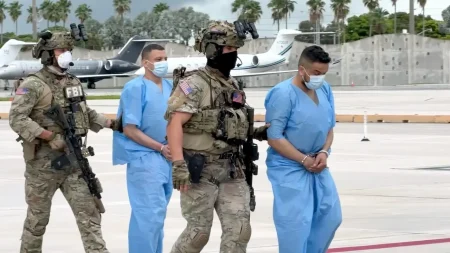
Amidst the grief and exhaustion of the recovery effort, a profound sense of anger and betrayal swept through the community on Monday when local authorities announced the arrest of a suspect believed to have intentionally started at least one of the devastating blazes. The Spokane County Sheriff’s Office, collaborating with state fire investigators and forensic analysts, apprehended the individual following a rapid and intensive investigation that relied on eyewitness accounts, localized surveillance footage, and physical evidence recovered near one of the initial ignition points. While officials have been careful to withhold certain details to protect the integrity of the ongoing legal proceedings, the news of the arrest shifted the public narrative from one of surviving a natural disaster to confronting a deliberate act of human malice. Community members, already grappling with the loss of their homes and livelihoods, expressed a mixture of relief and fury upon learning that the terror they endured may have been preventable, sparked not by dry lightning or an accidental spark, but by human hands. Prosecutors are currently preparing a comprehensive array of charges, including first-degree arson and reckless endangerment, signaling that the state intends to pursue the maximum penalties allowed under Washington law for an act that jeopardized hundreds of lives and caused millions of dollars in property damage.
Fighting the Flames: The Heroic Struggle of First Responders
The arrest of the suspect highlighted the extraordinary peril faced by the hundreds of wildland firefighters and emergency personnel who risked their lives to contain the multiple blazes that threatened Spokane and its surrounding communities. From the moment the first alarms sounded, local fire departments were stretched to their absolute limits, requiring emergency assistance from state agencies, neighboring counties, and federal forest service crews to establish containment lines. High temperatures and shifting wind patterns repeatedly compromised defensive perimeters, forcing crews to engage in dangerous, close-quarters battles to protect vulnerable residential developments and critical infrastructure. Bulldozers carved massive dirt firebreaks through the wilderness while air tankers swooped low through the heavy smoke, dropping thousands of gallons of bright red fire retardant to halt the advance of the flames. Despite the overwhelming challenges, including limited water resources in remote rural areas and the simultaneous outbreak of several fires, these first responders worked grueling shift rotations, pushing through physical exhaustion to save countless structures and ensure that evacuation orders were carried out safely and systematically.
The Human Cost: Stories of Survival and Shock Amidst the Ruin
Beyond the dry statistics of containment percentages and acreage burned lie the deeply personal stories of the Spokane wildfire victims, whose lives have been permanently altered by the speed of the evacuations. Many residents recalled the terrifying moments when the skies turned an eerie shade of orange-black, and the distant roar of the approaching fire—often described as sounding like a freight train—warned them that time had run out before official emergency alerts even reached their phones. In the scramble to escape, neighbors helped neighbors, loading elderly residents into vehicles, herding livestock into trailers, and fleeing down narrow roads illuminated only by the encroaching red glow of the forest fire. Now, gathered in temporary relief shelters and the homes of generous relatives, these survivors are beginning to process the magnitude of their losses, which extend far beyond material wealth to include decades of family history, irreplaceable photographs, and a profound sense of security. The psychological trauma of the event is particularly acute for children and the elderly, who find themselves suddenly displaced and facing an uncertain future in a community where the very ground beneath their feet still smells of soot and wet ash.
Ecosystem on the Edge: The Broader Environmental Context
$$\text{Table 1: Regional Climate Metrics and Wildfire Vulnerability (Historical vs. Current Year)}$$
| Climate Metric | Historical Average (20-Year) | Current Year Records | Impact Level |
|---|---|---|---|
| July/August Rainfall | 1.2 inches | 0.15 inches | Extreme Drought |
| Average Summer Temp | 84°F | 93°F | High Evapotranspiration |
| Fuel Moisture Content | 12% | 4% | Critical Ignition Risk |
| High-Wind Days (>30mph) | 3 days | 11 days | Rapid Fire Propagation |
This disaster in Spokane does not exist in a vacuum; rather, it serves as a stark reminder of the systemic climate vulnerabilities currently facing the entire Pacific Northwest. Environmental scientists and forestry experts point out that a combination of rising global temperatures, prolonged periods of summer drought, and historical forest management practices have created a perfect storm for catastrophic wildfires across Washington state. Forests that were once damp and resilient are now dry and highly flammable, allowing even minor ignition sources—whether natural, accidental, or criminal—to rapidly escalate into uncontrollable firestorms. The ecological consequences of these intense burns are severe and long-lasting, including the destruction of vital wildlife habitats, increased soil erosion that threatens local watersheds, and the release of massive quantities of carbon dioxide into the atmosphere. As the region grapples with the immediate aftermath of this disaster, policymakers and community leaders are being forced to confront the reality that the traditional “wildfire season” has evolved into a year-round threat, requiring urgent investments in forest thinning, controlled burns, and more resilient urban planning.
Rising from the Ashes: The Long Road to Recovery and Resilience
Despite the immense devastation and the lingering anger surrounding the arson investigation, the prevailing spirit defining Spokane County in the wake of the fires is one of extraordinary resilience and communal solidarity. In the days following the disaster, grassroots mutual aid networks mobilized across the region, with local businesses, community centers, and faith-based organizations transforming into hubs for donations of food, clean water, clothing, and temporary housing. Volunteers have stepped forward by the hundreds, assisting displaced families with clearing debris, caring for displaced pets, and navigating the complex bureaucracy of insurance claims and state disaster assistance. Rebuilding the physical structures lost to the flames will take months, if not years, but the social fabric of Spokane is already proving to be unbreakable as neighbors pledge to stand by one another through the long recovery process. As Spokane looks toward the future, there is a collective determination not only to rebuild what was lost but to build back stronger, smarter, and more united, ensuring that the community is better prepared to face whatever challenges the changing landscape may bring.