






Behind the staggering headline of a $395 million financial settlement lies a profound, deeply personal tapestry of human suffering that has remained hidden in the shadows of the Archdiocese of San Francisco for generations. This historic agreement, which seeks to resolve more than 500 lawsuits alleging childhood sexual abuse by clergy and church officials, is far more than a legal victory or a massive financial physical transaction; it represents a painful, long-overdue validation for approximately 530 survivors who have carried the crushing weight of their trauma from youth into their adult lives. For decades, these individuals lived with memories of betrayal by the very figures who were supposed to guide their spirits and protect their innocence. The systemic silence of the institution often left them feeling isolated, disbelieved, and abandoned by their communities. This settlement, which could finally bring to an end a grueling, emotionally draining years-long bankruptcy battle, acts as a public acknowledgment that their pain was real, their suffering was unjust, and their voices finally deserve dry, objective recognition. By confronting the deep scars left by decades of negligence and institutionalized denial, the resolution attempts to place a human face on cold legal statistics. While no amount of money can ever truly reclaim a stolen childhood or erase the agonizing psychological scars of abuse, this immense sum stands as a tangible acknowledgment of the scale of the damage inflicted. It marks one of the most significant and consequential abuse settlements in California’s history, sending a clear, resonant signal across the nation that the shield of institutional prestige can no longer protect those who exploit the vulnerable. The sheer volume of claimants—each with a unique story of survival, heartbreak, and resilience—forces an uncomfortable but necessary reckoning for both the Catholic community and the public at large, demonstrating that justice, though terribly delayed, can eventually demand a seat at the table.
Perhaps the most emotionally poignant and structurally radical element of this proposed settlement is the mandate requiring Archbishop Salvatore Cordileone to personally draft and sign an apology letter to each of the 530 survivors. This requirement elevates the agreement from an impersonal corporate payout to an intimate, direct act of accountability, forcing the highest authority of the local Church to look, figuratively, into the eyes of every single person whose life was derailed under the watch of his predecessors. Coupled with this deeply personal gesture is a series of sweeping, unprecedented child-protection and transparency reforms designed to dismantle the archaic culture of secrecy that allowed abusers to operate with impunity for so long. Under the terms of the agreement, the Archdiocese must maintain and publicly update a comprehensive, easily accessible list of clergy members who have been accused of abuse, detailing the outcomes of any internal investigations. Crucially, the settlement bans the use of confidentiality agreements and non-disclosure clauses that have historically been utilized to buy the silence of survivors and prevent public awareness. By ending these gag orders, the agreement strips the institution of its ability to hide behind legal walls, ensuring that the dark truths of the past are brought into the light and kept there forever. Plaintiffs’ attorneys and advocates have hailed these structural changes as a monumental shift in how religious organizations must handle allegations of misconduct, prioritizing public safety and the emotional healing of victims over institutional brand protection. This shift is not just about correcting past errors; it is about building a completely new framework for the future, one where transparency is mandated by law and the protection of children is placed above the preservation of hierarchical reputation.
This monumental settlement did not occur in a vacuum; it is the culmination of a massive legal tide that has swept across the state of California following the passage of a landmark 2019 state law. This critical piece of legislation temporarily suspended the statute of limitations for child sexual abuse claims, opening a historic, time-limited window for survivors—many of whom were now elderly—to finally seek legal recourse for abuse that occurred many decades ago. The resulting wave of litigation has forced a dramatic, structural re-evaluation of the financial and moral solvency of the Catholic Church throughout the state. In 2024 alone, the neighboring Archdiocese of Los Angeles agreed to a historic, staggering $880 million settlement with abuse survivors, while several other prominent California dioceses were pushed to file for Chapter 11 bankruptcy preservation in an effort to manage the overwhelming influx of hundreds of lawsuits. For the Archdiocese of San Francisco, the path to this $395 million agreement was paved with intense legal negotiations, financial restructuring, and a painful public exposure of the institution’s financial assets. By navigating the complex machinery of the U.S. Bankruptcy Court, where the settlement still awaits final, formal approval, the archdiocese has had to weigh its survival as a functioning spiritual entity against its moral obligation to compensate those harmed under its care. This financial reckoning serves as a stark reminder of the material consequences of systemic ethical failures, demonstrating that the preservation of an institution’s assets cannot be decoupled from its willingness to make amends for the sins of its past. The financial impact of these payouts will be felt for generations, reshaping the Church’s operations and forcing a lean, humbler approach to its daily ministry.
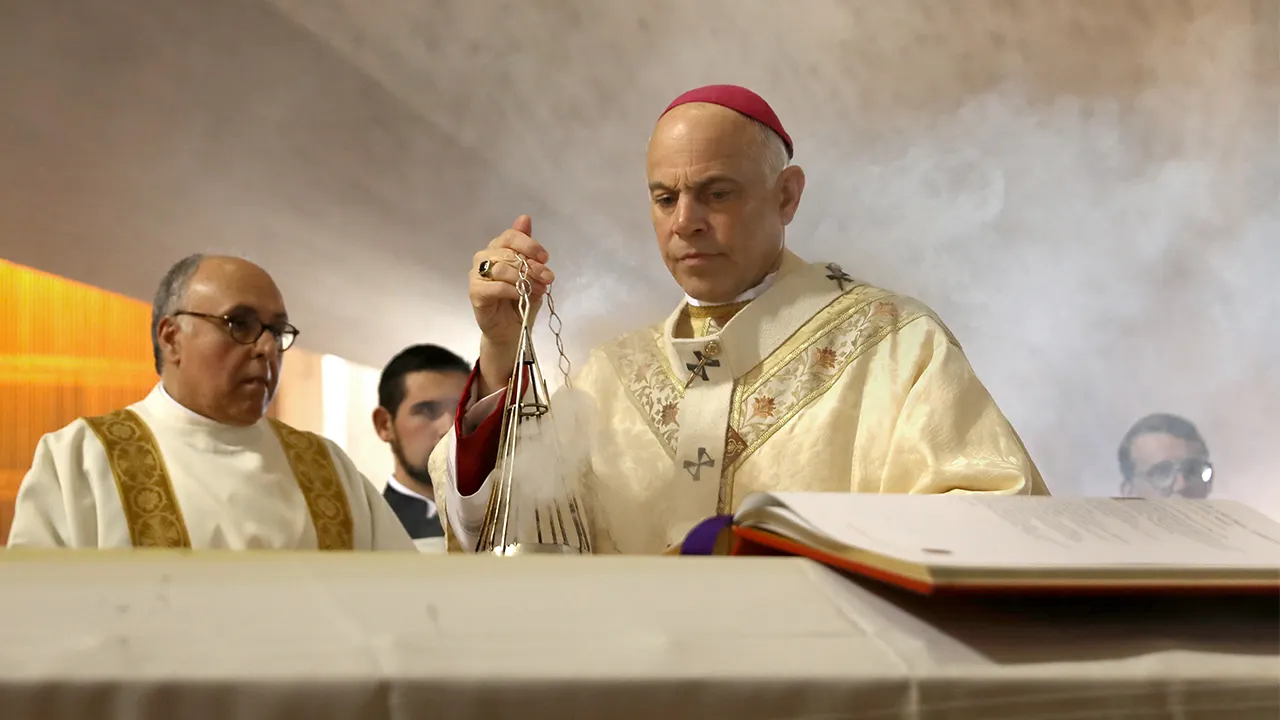
For Archbishop Salvatore Cordileone, a highly visible and polarizing figure within the American Catholic hierarchy, this settlement marks a deeply complex and defining chapter of his leadership. In his public statements regarding the agreement, Cordileone has struck a tone of profound contrition, acknowledging that the entire Catholic family must unite to share the burden of making amends for the past sins of Church ministers. He has publicly accepted full responsibility on behalf of the archdiocese, emphasizing that while the vast majority of the allegations date back several decades, the passing of time does not diminish the agency’s responsibility or the depth of the survivors’ pain. However, this posture of institutional humility exists in stark, fascinating contrast to Cordileone’s other public battles, where he has frequently acted as a fierce defender of the faith against what he perceives as growing societal hostility toward Catholicism. In recent years, Cordileone has warned his congregation and the wider public that traditional believers are facing explicit attacks in modern society, pointing to instances where Catholic properties have been vandalized, sacred symbols desecrated, such as the public decapitation of a Jesus Christ statue, and religious beliefs mocked by mainstream cultural influences. In navigating these two seemingly contradictory roles—as the humble representative of a deeply flawed, self-correcting institution on one hand, and as an outspoken defender of a persecuted faith on the other—Cordileone has cautioned his flock against becoming overly defensive or bombastic, warning that reacting with too much aggression risks losing the Church’s moral credibility. This delicate leadership tightrope highlights the deep existential challenge facing the modern Church: how to fiercely defend its sacred traditions and values in a secular world while simultaneously bowing its head in genuine penance for its own deep, self-inflicted moral failings.
The sheer scale and demanding nature of this settlement have drawn intense praise from legal advocates who have spent their entire careers fighting on behalf of abuse survivors. Nationally renowned plaintiffs’ attorney Jeff Anderson, who has represented abuse victims against the Catholic Church for decades, characterized this agreement as completely unprecedented in its scope and rigor. Anderson pointed out that while financial compensation is vital to help survivors access therapy, pay medical bills, and find some semblance of stability, the institutional reforms embedded within this agreement are what set it apart from previous major settlements. He noted that in his decades of legal practice, he had never seen an agreement as robust and demanding of an archdiocese as this one, particularly regarding the ban on confidentiality agreements and the mandate for ongoing public disclosure. Historically, many settlements were designed by church attorneys to act as quiet transactions—money was exchanged for silence, ensuring that the public remained largely unaware of the extent of the abuse and that accused priests could simply be quietly reassigned to other parishes. This settlement permanently shatters that playbook by prioritizing public safety and collective memory over corporate discretion. By stripping the Archdiocese of San Francisco of its ability to enforce confidentiality, the legal team has empowered survivors to share their stories on their own terms, transforming them from victims of a hidden system into active participants in public education and institutional reform. The victory, therefore, belongs not just to the lawyers who negotiated the terms, but to the survivors who refused to be quieted, turning their private tragedies into a powerful force for systemic change.
Ultimately, the true measure of this historic $395 million settlement will not be found in the legal filings, the financial calculations, or the public statements of church leaders, but in the slow, difficult, and profoundly personal process of healing that now lies ahead for the survivors. For many of the 530 individuals involved, this resolution represents the end of a long and exhausting crusade for validation—a moment where they can finally lay down the heavy burden of proof and feel believed by the world. It is a reminder that healing is not a linear journey, nor is it something that can be purchased; rather, it is a daily commitment to reclaiming one’s sense of self-worth and peace after it was violently stripped away. As the Archdiocese of San Francisco begins the arduous task of implementation under the watchful eye of the bankruptcy court, the broader Catholic community is left to contemplate how to rebuild trust with a public that has been deeply alienated by decades of scandal. The reforms established by this settlement must serve as an active, living blueprint for vigilance, ensuring that the lessons of the past are never forgotten and that the safety of children remains the absolute, non-negotiable priority of every parish, school, and ministry. By embracing radical transparency, admitting its deepest failures, and submitting to external accountability, the Church has an opportunity to transform itself from a place of historic trauma into a community of genuine refuge. While the scars of the past will always remain, this historic settlement provides a shining, hopeful path forward—one where justice and truth are finally allowed to prevail over silence and institutional self-preservation.