





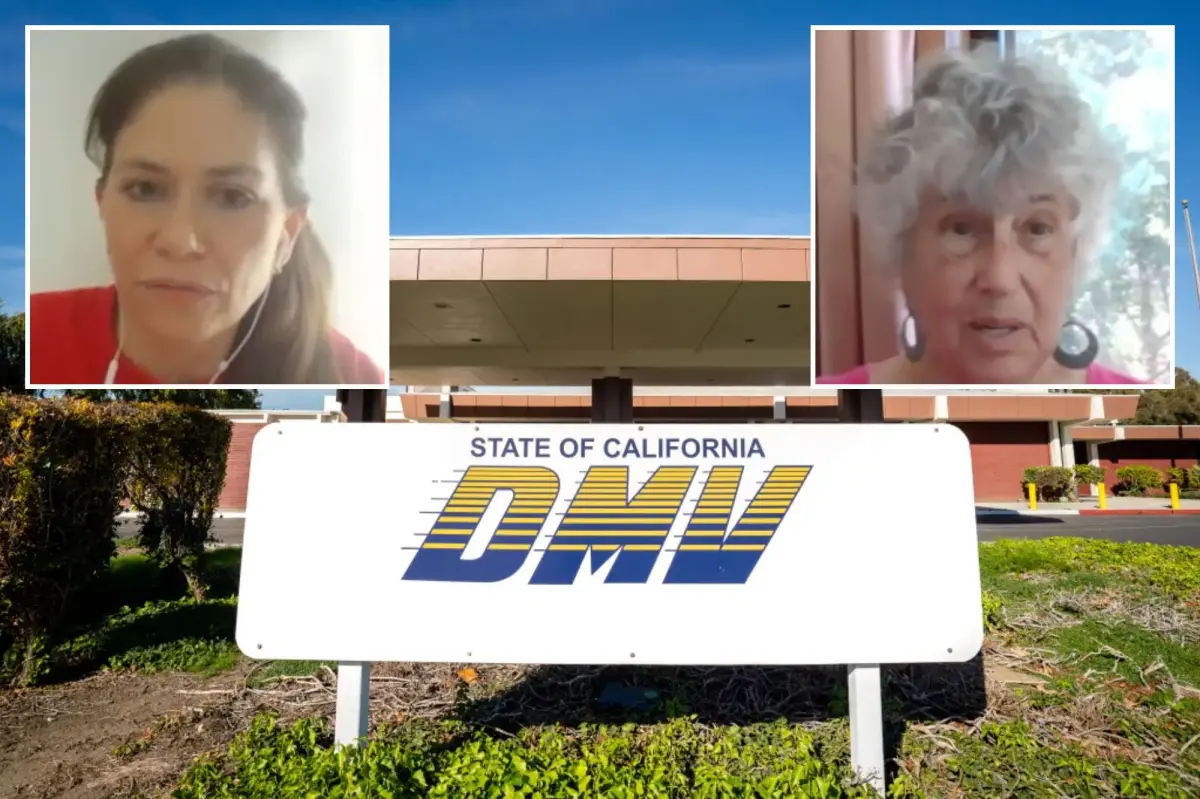
For most people, renewing a car registration is just another mundane chore on a never-ending to-do list, a routine task to be completed as quickly as possible. However, for thousands of unsuspecting California motorists, this simple administrative errand has transformed into a distressing financial nightmare. Drivers across the Golden State have erupted in anger and disbelief after discovering they were heavily overcharged by NeedTags.com, a third-party website designed to closely mimic the official California Department of Motor Vehicles (DMV) portal. The human cost of this digital mimicry is painfully evident in the lived experiences of everyday citizens who fell into the trap. Allen Jensen, a law-abiding driver, broke down in tears during an emotional interview with ABC 7, expressing a profound sense of institutional betrayal. “I’m not a criminal,” Jensen cried, his voice trembling with frustration. “I’ve never been to jail… It’s not about the money. Why is my state doing this?” Similarly, Manuella Raquelle, an 84-year-old resident of Santa Cruz, found herself ensnared by the sophisticated online setup simply because she failed to notice the obscure fine print. Realizing her error, a distressed Manuella sent an email pleading with the company for mercy, explaining that she had made a terrible mistake in her old age and pressed submit in error. Her desperate message was met with absolute silence, highlighting a cold, unyielding corporate front that prioritizes profit over human empathy.
The core of the issue lies in the deceptive packaging of these third-party services, which seamlessly blend corporate profit-seeking with state authority. NeedTags.com operates as an authorized participant in the California DMV’s Business Partner Automation program, meaning they are legally permitted to process vehicle registrations. However, this official endorsement acts as a wolf in sheep’s clothing. By leveraging aggressive marketing strategies, Continental Green Inc., the parent entity behind NeedTags, floods search engines with dozens of highly optimized “sponsored” advertisements designed to intercept users seeking the official DMV site. Robert Herrell, a prominent legal advocate with the Consumer Federation of California, has sharply criticized this arrangement, arguing that the company exploits its status to intentionally mislead the public. By loudly branding themselves as a “DMV business partner,” these sites cultivate a false sense of security, leading users to believe they are navigating a state-sponsored channel where prices are standardized. In reality, customers are being quietly slapped with exorbitant service fees—often amounting to an extra $90 or even hundreds of dollars more—for tasks that the state of California would otherwise perform online for free, extracting millions from citizens who believe they are simply paying their civic dues.
When victims realize they have been duped and attempt to reclaim their hard-earned money, they are met with aggressive corporate hostility rather than customer resolution. Many drivers, realizing the massive price discrepancy, naturally turned to their credit card companies to initiate chargebacks and dispute the transactional fees. Instead of resolving these issues amicably, NeedTags chose to retaliate, striking back at dissatisfied customers with heavy-handed threats of legal prosecution and lawsuits. This combative stance has left consumers feeling doubly victimized—first by the initial financial deception, and subsequently by the looming threat of legal warfare for simply trying to protect themselves. Allyn Peterson, a resident of San Jose who fiercely fought the unauthorized charges only to ultimately lose his dispute, voiced the collective exasperation of many Californians. For Peterson and others, the primary outrage is no longer just about the money lost, but about the systemic enabling of these practices. It raises a deeply unsettling question about public trust: why is a democratic government actively licensing, endorsing, and legitimizing a private entity that bullies its own citizens and uses aggressive legal threats to silence consumers who realize they have been exploited?
The stark contrast between the lethargy of state lawmakers and the proactive measures taken by private tech corporations has only deepened the public’s disillusionment with their elected officials. While California’s legislature is quick to promote consumer advocacy in theory, its practical response to this systemic issue has been agonizingly slow. Last year, Assemblymember Matt Haney sponsored a legislative bill aimed at capping the excessive service fees that these private vendors can charge. However, despite clear evidence of consumer harm, the bill has languished in legislative limbo and has yet to pass into law, leaving millions of drivers vulnerable to ongoing exploitation. During a tense Transportation Committee hearing, Haney acknowledged the absurdity of the situation, noting that citizens are walking into digital traps and being charged “huge markups” for services they could easily obtain directly from the state for nothing. This prolonged political inaction has forced major platforms like Google to step in where the state government has failed. Google has begun placing explicit warnings beneath sponsored ads indicating that the link is “Not a government website,” leading frustrated citizens like Peterson to conclude that a multibillion-dollar tech conglomerate is doing more to look out for the people of California than the very public servants who draw salaries from their tax dollars.
In response to the public outcry, the California DMV and the operators of NeedTags have offered defensive statements that do little to soothe the anger of defrauded motorists. In an official communication, the DMV masterfully deflected responsibility, gently urging consumers to bypass third parties entirely and conduct their transactions directly through the official state portal, dmv.ca.gov, to avoid unnecessary markups. While the state agency asserted that it expects its private partners to maintain transparency and adhere to consumer protection laws, it has stopped short of taking any decisive punitive action or stripping NeedTags of its coveted partner status. On the other side of the controversy, Eddy Asmerian, the owner of NeedTags, has steadfastly defended his business model by insisting that the company is fully “committed to transparency.” Asmerian points to disclaimer language buried on the website which ostensibly informs users that NeedTags is a private utility rather than a government agency. However, consumer advocates argue that these disclaimers are practically invisible to busy, stressed, or elderly users who are funneled through a high-pressure digital pipeline designed to mimic the DMV’s aesthetic, making the claim of voluntary transparency ring hollow.
Ultimately, this ongoing controversy serves as a stark warning about the privatization of essential public services and the erosion of digital consumer protections. As long as high-markup middlemen are allowed to profit off routine administrative tasks under the official banner of state partnership, vulnerable populations will continue to pay the price. The solution requires not just individual vigilance, but systemic accountability; until the state legislature successfully passes comprehensive fee caps and institutes stricter branding guidelines for its private business partners, the line between helpful public service and predatory profiteering will remain dangerously blurred. For now, the most effective shield for California drivers is proactive education and skepticism. Motorists must remember to bypass sponsored search results entirely, look carefully for the direct “gov” extension in web addresses, and share this vital knowledge with elderly neighbors and family members who are most at risk of falling through the cracks of a system that has, at least for the moment, prioritized corporate revenue over the protection of its citizens.