






It was supposed to be just another ordinary Monday in Harlem, with the familiar sounds of city traffic, distant chatter, and the gentle rustle of leaves carrying through the autumn air. But the rhythm of the afternoon was abruptly shattered when a 23-year-old man found his path crossed by officers of the New York Police Department. Confronted with accusations of petty larceny—a minor crime that typically results in a routine citation rather than a high-stakes manhunt—the young man made a split-second, adrenaline-fueled decision that would transform a mundane police encounter into a dramatic and highly public spectacle. Overwhelmed by panic and the sudden prospect of arrest, he took off running, his sneakers pounding the pavement as he desperately sought to escape the closing-in grip of the law.
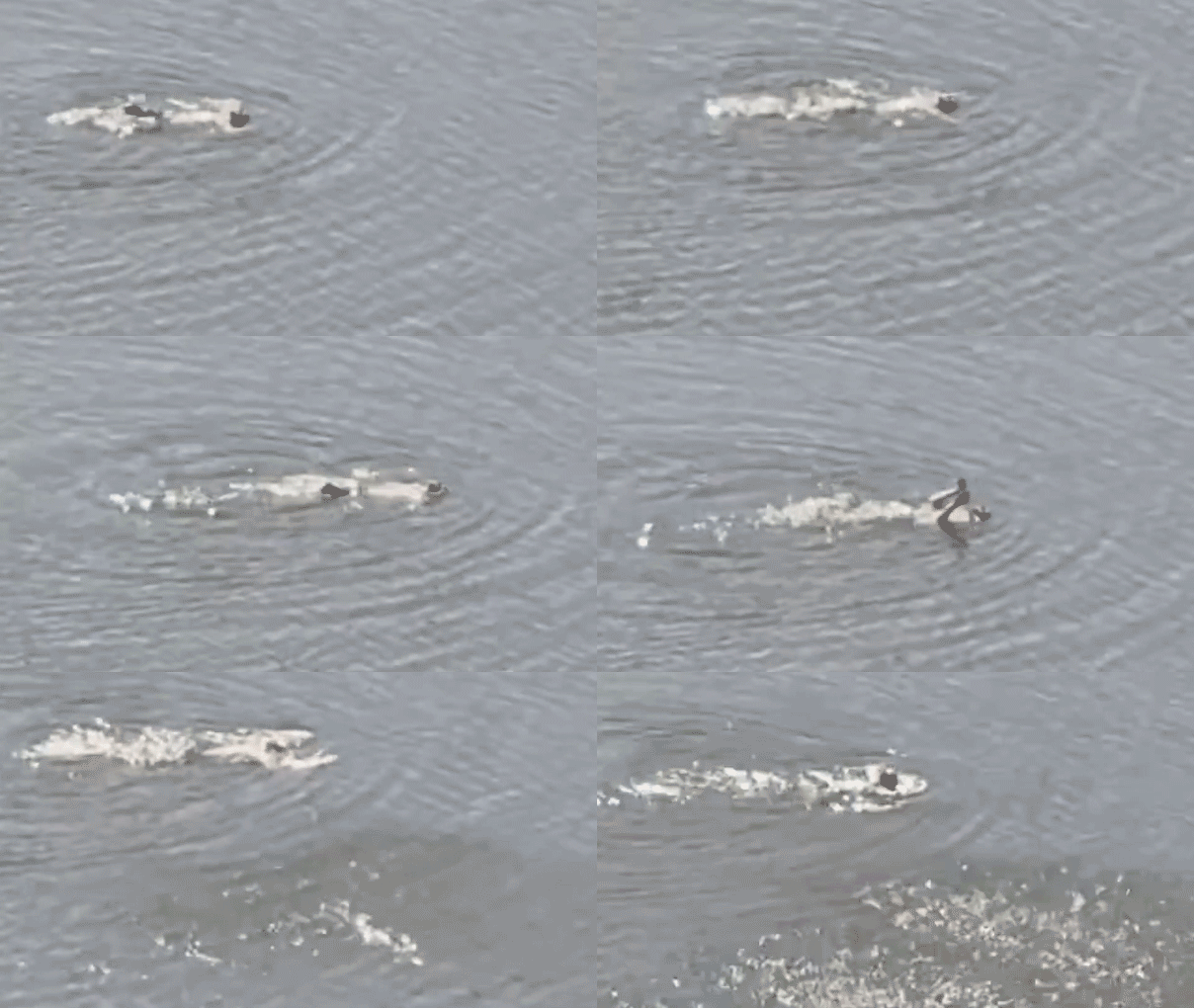
His frantic flight led him directly into the northern reaches of Central Park, a sprawling green sanctuary that New Yorkers cherish as a peaceful escape from the surrounding concrete jungle. He sprinted toward the Harlem Meer, a scenic 11-acre lake situated at the park’s northeastern tip, known more for its quiet fishing spots, family picnics, and nesting water birds than for high-speed police chases. Seeing the shimmering expanse of water as his only remaining barrier to freedom, the young man plunged headlong into the lake. It was a desperate, primal move, born out of the sheer instinct to evade capture, turning the tranquil public oasis into the backdrop of an unbelievable real-life action movie.
As the fugitive swam out toward the center of the Harlem Meer, attempting to reach the opposite shore, the calm atmosphere of Central Park quickly evaporated. Bystanders, joggers, and tourists stopped in their tracks, pulling out their smartphones to record an increasingly surreal scene. The sky soon filled with the deafening roar of an NYPD helicopter, which hovered impossibly low over the water, its rotor wash whipping up a violent spray and sending ripples cascading across the otherwise still lake. The massive mechanical beast in the sky kept its spotlight and sights trained squarely on the lone swimmer below, making it abundantly clear to anyone watching that escape by water was a physical impossibility.
From the ground, the NYPD’s response quickly escalated from a routine patrol pursuit to a highly coordinated tactical operation. Realizing that pursuing a suspect into deep water posed a severe risk of drowning for both the runner and untrained officers, dispatchers mobilized specialized units. Within minutes, highly trained NYPD divers arrived at the water’s edge, donning their specialized gear as sirens wailed in the distance. The incident highlighted the complicated nature of modern policing, where a minor, non-violent offense can suddenly require the deployment of massive, expensive city resources simply to ensure that a desperate individual is apprehended safely without any loss of life.
The dramatic climax came as the NYPD divers finally slid into the murky waters of the Meer. The suspect, by now likely exhausted, shivering from the cold shock of the lake, and completely overwhelmed by the thundering helicopter overhead, realized his desperate gamble had run its course. The divers closed the gap swiftly and professionally, pulling the wet and defeated swimmer from the water before placing him under arrest. What began as a frantic run for freedom ended with the quiet click of handcuffs in the shallows, transforming a tense standoff back into a rescue operation as officers prioritized the young man’s immediate physical well-being over the charges that initiated the chase.
Following his apprehension, the young man was transported to Mount Sinai Morningside hospital, where medical staff evaluated him and kept him in stable condition. This bizarre episode serves as a stark reminder of the unpredictable human element that drives daily life in New York City, demonstrating how a simple mistake can snowball into a life-threatening ordeal in the blink of an eye. Underneath the sensational headlines and viral videos of a chopper hovering over a Central Park lake lies the sobering reality of a young person who risked his life to run from a petty charge, highlighting the deep-seated fear and desperation that often exists just beneath the surface of our urban communities.