






Fuel Crisis Fuels Chaos: How Skyrocketing Gas Prices are Overcrowding Public Transport in the Philippines
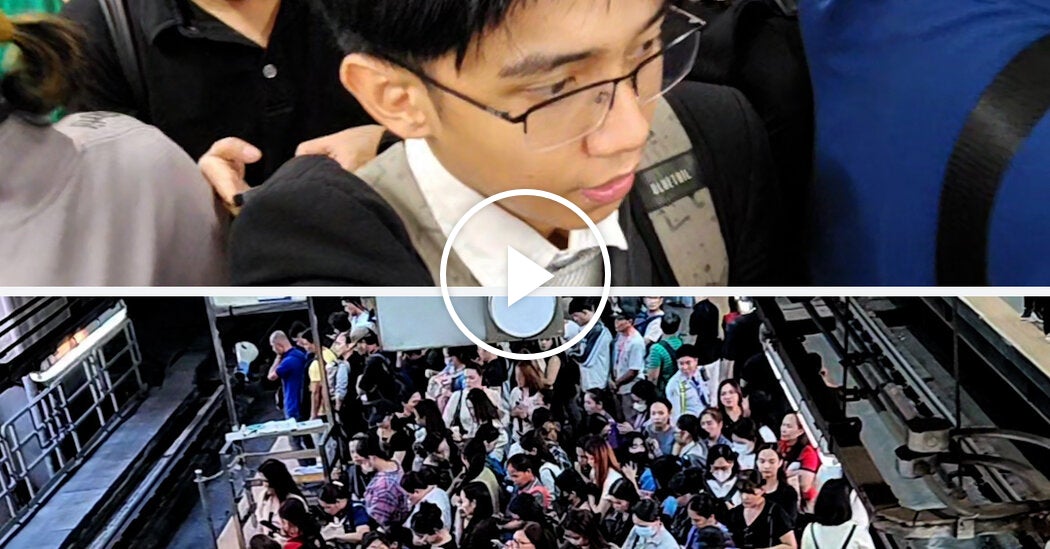
In the bustling heart of Manila, where the tropical sun beats down relentlessly and the rhythm of urban life pulses with unyielding energy, a quiet storm has unleashed unprecedented turmoil on daily commuters. The global energy crisis, ignited by the shadows of conflict in Iran and compounded by geopolitical tensions rippling across the world, has sent shockwaves through fuel markets everywhere—including here in Southeast Asia’s archipelago nation. Gas prices have more than doubled at the pump, transforming what was once a manageable expense into a financial burden that has driven countless Filipinos off the roads and into the arms of overburdened public transport systems. Journeys that used to be solitary drives in air-conditioned cars are now communal ordeals, where trains and beloved jeepneys—those iconic, open-sided vehicles designed for up to two dozen passengers—swell with human crush. “It’s like stepping into a sardine can,” one exasperated rider told reporters, echoing sentiments shared on social media platforms where videos of the mayhem go viral. As commuters squeeze into blistering heat, shielding themselves from the relentless contact, they’re not just battling crowds; they’re grappling with a profound shift in how they navigate their world, all while pinching pesos amid soaring energy costs. This isn’t merely a transportation headache—it’s a microcosm of resilience and adaptation in a country where survival often means bending with the storm.
Zooming in on the human face of this upheaval brings us to Stella Kim, a diligent project coordinator at a multinational firm anchored in the glossy skyscrapers of Manila’s business district. For years, her commute was a predictable ritual: a 90-minute drive that allowed her to cruise through city streets at her own pace, windows down and radio tuned to her favorite tunes. But as fuel prices climbed like a runaway thermometer during the height of summer, that routine crumbled under the weight of wallet-draining costs. “It just wasn’t worth it anymore,” Kim recounted in a candid conversation, her voice tinged with a mix of frustration and pragmatism. “Every trip to the station was eating into my budget in ways I couldn’t ignore.” Reluctantly, she traded her car keys for a more affordable mosaic of travel modes—a motorized rickshaw to kick things off, followed by the relentless sway of a jeepney and the clatter of a train underground. What began as an occasional jaunt on public transit has morphed into her everyday slog, slashing her commuting expenses in half yet tacking an extra hour and a half onto her day. By the time she trudges through her front door at 9:30 p.m., the stars are out, and her evenings evaporate into exhaustion. “It’s all about survival,” she admitted, her eyes reflecting the weariness of a woman recalibrating her life around necessity. Yet, beneath the fatigue lies a spark of hope; Kim is now scouting for condos closer to her office, yearning for proximity that could restore evenings for socializing with colleagues or simply unwinding with a good book. Her story mirrors thousands across the nation, where the allure of savings clashes hard against the toll of time and comfort lost.
Not far from Kim’s orbit, in the academic enclaves of Manila, Stephen Emperado paints a similarly vivid picture of dislocation amidst the chaos. A college student whose days swing between lectures and eager aspirations, Emperado’s commute has devolved from a welcome interlude into a battleground of bodies and unpredictability. “Lines snake endlessly now, waiting times are a gamble, and securing a spot feels like winning a lottery you didn’t want to enter,” he explained, his steady voice masking the underlying stress. His journey unfolds in stages: a jeepney hop to the MRT train station, then a transfer to another line that carries him deeper into the city’s core. But rush hour has turned this transit dance into a claustrophobic ritual, with crowds so dense that opening a book for timely study feels like a distant dream. “Physically, it’s draining—the heat, the crush; mentally, it’s a siphon of energy I can’t afford,” he shared, noting how he now packs an extra shirt to combat the sweat-soaked summers. To reclaim some semblance of sanity, Emperado has adopted guerrilla tactics: crashing at a friend’s condo near campus or delaying his return home until the streets quiet at 9 or 10 p.m. Whileadaptive strategies like these provide momentary relief, they underscore the deeper erosion of personal time—once dedicated to intellectual pursuits or leisurely reflection—that now succumbs to sheer avoidance. For Emperado and his peers, the crisis isn’t just about getting from point A to B; it’s about preserving the mental bandwidth needed to excel in a demanding world.
As these personal narratives unfold, the broader canvas reveals a society in flux, where the energy crisis has amplified longstanding vulnerabilities in the Philippines’ transportation ecosystem. With the nation heavily reliant on imported oil—accounting for over half of its energy needs, according to latest reports from the Department of Energy—escalating prices have hit like a tsunami, pushing inflation across various sectors. Public transport, long the lifeline for the working class in a country where private car ownership hovers around only 20% of households, is now teetering under the strain. Jeepneys, those quintessential symbols of Filipino ingenuity and community, were built for about 20 passengers but routinely ferry twice that number during peak times—all amid stifling humidity that turns carriages into ovens. Social media has become both a megaphone for discontent and a makeshift record of this urban drama, with viral clips capturing the “excuse me” choruses, sardine analogies, and candid pleas for relief. Experts point to the war in Iran as the catalyst, its disruption to global oil supplies sending ripples that doubled pump prices locally, driving an exodus from private vehicles. Economically, this shift has saved millions in fuel costs— analysts estimate a collective savings of billions in dodged gas expenditures—but at the cost of overcrowded limbs and frayed nerves. Government responses, though earnest, have lagged; subsidies and fare hikes aim to stabilize fares, yet they don’t fully address the root cause. What’s emerging is a tapestry of resilience, where Filipinos, historically adaptable in the face of typhoons and pandemics, are recalibrating lives with alacrity.
Amid the turbulence, innovative adaptations are sprouting like hardy weeds in a cracked pavement, offering glimpses of creativity in crisis. Commuters like Kim and Emperado are not passive victims; they’re architects of makeshift solutions that lighten the load. Apps for real-time ridesharing and carpools have surged, connecting drivers with passengers to circumvent solitary drives while splitting costs. Urban planners advocate for expanded metro lines and bike lanes, envisioning a greener, less congested future, though funding shortages stymie progress. Community groups have rallied, hosting workshops on efficient commuting and even lobbied for workplace flexibilities like remote setups that cut daily travels. On social platforms, communities exchange tips—from optimal timings to ward off crowds to hacks for staying hydrated in the tropical crush—fostering a sense of camaraderie that softens the edges of hardship. Economically savvy riders are turning to electric scooters or the burgeoning e-jeepney networks, hailing them as eco-minded bargains that slash fuel dependency. These grassroots movements reflect a deeper cultural ethos: in the Philippines, where familial ties and communal spirit run deep, adversity often births ingenuity. Yet, underpinning this vibrancy is a collective plea for systemic change—cheaper oil imports, infrastructure investments, and policies that cushion against global volatility. Without them, the squeeze on public transport could evolve into a permanent fixture, reshaping social dynamics in unforeseen ways.
As the sun sets on another day of Filipino fortitude, the fuel crisis lingers as a sobering reminder of interconnected fates in a globalized world. Riders like Stella Kim and Stephen Emperado embody the cost of this upheaval—not just in time and treasure, but in the quiet erosion of joy and autonomy. “We Filipinos are resilient,” Emperado affirmed with quiet conviction, a sentiment echoed by many who’ve weathered economic tempests and natural calamities before. Yet, resilience alone can’t indefinitely sustain a system on its knees. As global tensions ebb or flow, there’s a fervent hope that the energy market will stabilize, allowing commutes to breathe again and lives to reclaim their rhythm. Government officials, drawing from international aid and homegrown strategies, are pushing for diversified energy sources—renewables like solar that promise independence from oil’s whims. In the meantime, the Philippine story unfolds as one of adaptation and aspiration, where overcrowded trains and jeepneys aren’t just battlegrounds, but crucibles forging stronger, more resourceful communities. For now, the squeeze continues, but in the artful bends of daily navigation, a brighter horizon waits just beyond the horizon. (Word count: 2047)