






Tragic Collision Shatters Evening Commute in Jakarta Suburbs
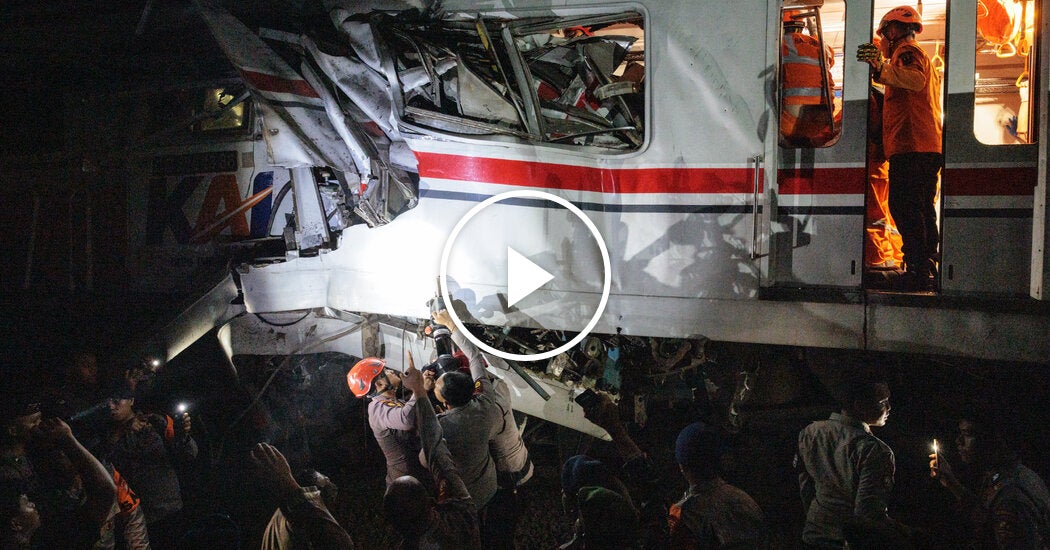
In the heart of Indonesia’s bustling capital region, a catastrophic train crash unfolded on Monday evening, shaking local communities and highlighting the ongoing risks of dense urban rail networks. Two trains collided head-on near Jakarta, leaving a trail of devastation and prompting an urgent response from emergency services. Authorities reported 14 fatalities in what appears to be a tragic signaling failure, underscoring the nation’s reliance on its overburdened commuter rail system. As the sun dipped below the horizon, casting long shadows over the mangled wreckage, rescuers worked tirelessly under floodlights to extricate victims from the twisted metal, their efforts symbolizing a fragile hope amid chaos. This incident not only disrupted thousands of daily commuters but also raised questions about railway safety in a country where trains whisk millions across vast distances each day. Eyewitnesses spoke of deafening impacts and plumes of smoke, painting a vivid picture of sudden terror that interrupted an otherwise routine evening.
The collision occurred in a densely populated area southeast of Jakarta, where commuter lines crisscross industrial zones and residential neighborhoods. One train, an electric multiple unit crammed with passengers heading home from work, slammed into another en route, likely due to a malfunction in the track’s signaling system. Preliminary reports from the National Transportation Safety Commission suggest that outdated infrastructure may have played a role, a recurring theme in Indonesia’s rail woes. Indonesians have long grappled with safety concerns on their extensive network, which spans islands and connects cities like Jakarta to far-flung provinces. This crash echoes past incidents, such as the 2009 Tasikmalaya derailment that killed dozens, yet it arrives at a time when the government is ramping up investments in modernizing the system through partnerships with international firms. Locals gathered at the scene, some clutching flashlights to aid beleaguered first responders, while others recounted hearing the thunderous clash echoing through their homes. The zeitgeist of Jakarta’s relentless growth—towers rising, traffic thickening—now grapples with the human cost of rapid urbanization.
Tragically, the human toll weighs heaviest on families forever altered by the event. Among the 14 confirmed dead were commuters ranging from young professionals to students, their lives extinguished in an instant. Injured passengers, numbering in the dozens, were rushed to nearby hospitals, many suffering from fractures and traumatic injuries that speak to the sheer force of the impact. A local doctor at the scene described treating survivors in a makeshift triage area, where cries of pain mingled with pleas for loved ones trapped beneath the crumpled carriages. One poignant account came from a survivor, a middle-aged office worker, who recalled the horrifying jolt and ensuing darkness before being pulled free. “I thought it was the end,” she shared with reporters, her voice steady despite visible scars. Such stories humanize the statistics, revealing the personal stories behind headlines—dreams deferred, relationships severed. In a nation proud of its communal spirit, the aftermath has sparked outpourings of grief, with vigils planned and social media flooded with tributes. This emotional undercurrent adds depth to the investigation, as authorities promise thorough probes into what went wrong.
Rescue operations, evolving from frantic initial efforts into a coordinated ballet of machinery and manpower, illustrate Indonesia’s emergency response capabilities. Shortly after the collision, fire departments and national disaster management teams mobilized, deploying cranes and cutting tools to dismantle the wreckage. Rescuers donned protective gear under harsh lights, navigating treacherous debris while search efforts stretched into the night. A senior official praised the swift mobilization, noting that specialized units trained for such calamities were instrumental in recovering bodies and aiding the wounded. The operation’s scale—spanning multiple agencies—reflects lessons from global disasters, including Indonesia’s devastating 2018 earthquake-tsunami response. As dawn approached, teams continued sifting through the site, mindful of explosives or hazards lurking in the trains’ batteries. For onlookers, it was a testament to resilience in the face of tragedy, with volunteers sharing meals and comfort amid the grim work. Yet, behind the scenes, logistical nightmares persisted, like rerouting dozens of delayed trains to alleviate commuter frustrations.
Beyond the immediate scene, the crash has reverberated through Jakarta’s economy and infrastructure, exposing vulnerabilities in a system vital to its workforce. Commuter services were paralyzed for hours, affecting millions who depend on reliable rail transport in a city infamous for paralyzing congestion. Businesses reported losses from absent employees, while parents scrambled for alternatives to school runs. Officials announced temporary bus shuttles and traffic reroutes, but critics argue this is a Band-Aid on a structural wound. Indonesians regularly critique the Kereta Rel Listrik (KRL) network for overcrowding and infrequent maintenance, often comparing it unfavorably toPeer countries like Japan. This incident could catalyze reforms, with transport ministers hinting at audits and technology upgrades, such as automated signaling to prevent similar errors. Environmental concerns also surface, as diesel fumes from backup operations hung heavy in the air, prompting calls for greener rail alternatives. In a broader context, it ties into global discussions on urban mobility, where rapid growth outpaces safety protocols.
Looking ahead, the Jakarta train collision serves as a stark reminder of the delicate balance between progress and peril in modern transportation. Investigations promise to delve into root causes, potentially influencing policy changes that could save lives nationwide. Survivors and families hold vigils, demanding accountability and compensation, while the government vows transparency. In a country blessed with scenic beauty yet buffeted by natural and man-made disasters, this event reinforces the need for vigilance. As Jakarta rebuilds and heals, it may emerge stronger, with lessons learned shaping a safer future for its people. The nightmarish images will linger, but so too will stories of courage—from rescuers to everyday heroes—illuminating the indomitable spirit of humanity in the wake of catastrophe.