






The Pentagon’s Bold Step Towards UFO Transparency
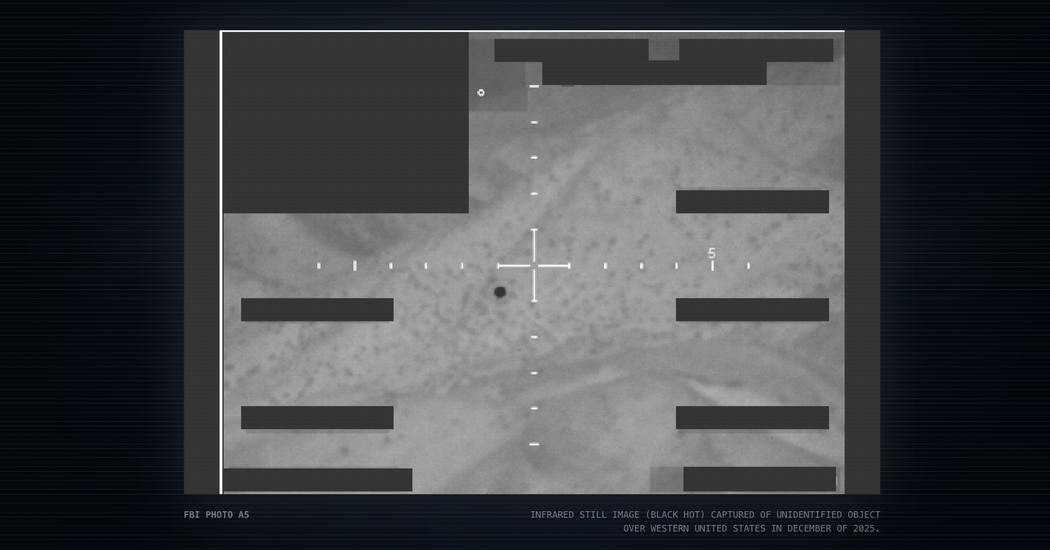
It’s a Friday unlike any other when the Pentagon drops what it calls “new, never-before-seen” files on unidentified flying objects—those mysterious U.F.O.s that have captured imaginations for decades. Picture this: a government department known for secrecy announcing a major release, positioning it as a shining beacon of openness. The Pentagon’s news release doesn’t mince words, claiming that no previous president or administration has matched this level of transparency on unidentified anomalous phenomena, their official term for what we all know as U.F.O.s. It’s a stark contrast to earlier this year when the department showed the door to reporters, creating an image of reluctance. Yet here they are, pledging to house the collection at a new website, war.gov/ufo, with files rolling out over time. The first batch? Murky still images that leave more questions than answers. One photo shows a cluster of inexplicable dots on a screen, like tiny breadcrumbs from an otherworldly trail. Another captures strangely shaped objects that resemble crumpled tin cans tossed into the void of space or perhaps something far more extraordinary. These aren’t crisp videos or high-definition revelations; they’re shadows and blurs that tantalize without satisfying. As a taxpayer-funded effort, this release feels like a tentative hand extended from the shadows, inviting the public to peer into a world that’s been guarded for so long. But why now? It’s not just about goodwill; it’s a response to years of pressure from lawmakers who demanded declassification, fueled by stories that have leaked out bit by bit. In 2017, The New York Times broke the news of a secret Pentagon program launched back in 2007 to investigate U.F.O. reports—a program shrouded in classification and whispers. Lawmakers from both sides of the aisle have since pushed for openness, arguing that the American people deserve to know what their government knows about these phenomena. This release marks a checkpoint in that journey, but it’s clear we’re only scratching the surface. The files are out there, waiting on that website, but accessing them requires navigating the bureaucracy, a digital pilgrimage that mirrors the real-world quests for truth about U.F.O.s. People are buzzing about it online, with some seeing it as progress, others as a smoke screen. Former Representative Marjorie Taylor Greene, a vocal Republican from Georgia, has been quick to criticize, calling it “‘look at the shiny object’ propaganda” meant to distract while the administration engages in foreign wars. She tweeted that unless real aliens or demo U.F.O.s show up, she has better ways to spend her Friday. Her words resonate with skeptics who view this as political theater rather than genuine disclosure. But for advocates, it’s a victory lap, a step towards unraveling decades of mystery. Imagine the stories these files could tell: pilot encounters, radar blips, eyewitness accounts that have been buried in vaults. The release isn’t flashy; it’s methodical, almost clinical in its presentation, with the Pentagon promising more to come. President Trump chimed in on social media, framing it as a fulfillment of a promise. “Whereas previous Administrations have failed to be transparent on this subject,” he wrote, “with these new Documents and Videos, the people can decide for themselves, ‘WHAT THE HELL IS GOING ON?'” It’s a rhetorical flourish that captures the public’s frustration, a call to arms for amateur sleuths armed with magnifying glasses and internet forums. This isn’t just about government transparency; it’s about human curiosity, that innate drive to explore the unknown. U.F.O.s have been a cultural touchstone since the days of Roswell rumors and Close Encounters of the Third Kind. Now, the Pentagon is feeding that fire with official documents, murky as they may be. As the weekend unfolds, people will dissect these images, share them on social media, and speculate wildly. Is it extraterrestrial life? Advanced drones from rogue nations? Atmospheric anomalies? The answers aren’t here yet, but the invitation to look is undeniable. It’s a moment that humanizes the mystery, making it feel accessible, even if the dots and shapes remain stubbornly inconclusive. Transparency like this builds trust, or at least that’s the hope. By opening these doors, the Pentagon acknowledges that the public’s right to know outweighs the instinct to classify. Yet, as critics like Greene point out, it’s easy to wonder if it’s all a diversion. Foreign wars rage on, geopolitical tensions simmer, and here we are marveling at screen dots. It’s a classic trade-off: shiny objects versus stark realities. But for those who’ve long wondered about what’s in the sky, this release is a glimmer of hope. The rolling nature means anticipation will build, with each new file potentially holding the key to understanding. Lawmakers’ efforts have paid off, pushing against the inertia of secrecy. The 2017 NYT exposé was a catalyst, exposing a program that investigated hundreds of sightings, many from military pilots. Stories of Tic Tac-shaped objects maneuvering impossibly have become folklore in UFO circles. Now, with these files online, that lore gets a veneer of officialdom. It’s empowering—ordinary people can engage, debate, and demand more. The Pentagon’s commitment to ongoing releases suggests they’re serious, not just throwing crumbs. This could shift public discourse, elevating UFOs from tabloid fodder to a legitimate topic for science and policy. Imagine researchers cross-referencing these images with historical reports, piecing together a puzzle that’s been scattered for generations. It’s a human endeavor at its core: curiosity driving progress, even when the stories are as fuzzy as the photos. Skeptics might dismiss it as nothing, but believers see a turning point. Greene’s tweet adds fuel to the debate, questioning the timing and motives. Is this transparency, or is it optics designed to dazzle and divert? Either way, the release has sparked conversations across dinner tables, Twitter threads, and congressional hearings. It’s a Friday that feels historic, even if the files are more tease than revelation. As people click through war.gov/ufo, they’re not just viewing images; they’re participating in history. The Pentagon’s gamble on openness could pay off in greater understanding, or it might fizzle if the releases don’t deepen. But for now, it’s progress, a step towards demystifying the skies.
Trump’s Personal Stake and the Human Quest for Answers
Delving deeper, President Trump’s involvement adds a personal, almost theatrical flair to the UFO file release, humanizing what could have been a dry bureaucratic announcement. On social media, he declared it a fulfillment of vows made to the public, contrasting his administration’s actions with past failures in transparency. “Whereas previous Administrations have failed to be transparent,” he posted, urging people to “decide for themselves, ‘WHAT THE HELL IS GOING ON?'” This isn’t just a presidential tweet; it’s a rallying cry that resonates with everyday Americans fed up with government opacity. Trump, known for his bombastic style and unfiltered commentary, frames the release as breaking chains of secrecy, inviting conspiracy theorists and curious folks alike to dive in. It’s a moment that makes the mystery feel immediate and personal, as if the president is on the same quest for truth. Remember, this comes amid a presidency marked by bold claims and reversals, but on UFOs, he’s positioning himself as the one who delivers. The public response has been electric, with shares and retweets soaring, proving how topics like this capture the collective psyche. People aren’t just passive recipients; they’re active participants, theorizing wildly from their living rooms. The “WHAT THE HELL” phrase echoes the frustration of millions who’ve grown weary of cover-ups, from Watergate to whatever this might be. Trump’s words humanize the narrative, turning abstract files into a story of empowerment. No longer are UFOs just for fringe enthusiasts; they’re mainstream, tied to presidential promises. This shift could reshape perceptions, making extraterrestrial discussions as normal as debating sports or politics. It’s not just about the dots on those screens; it’s about trust in leadership. By handing the baton to the public, Trump sidesteps accusations of hiding, though cynics wonder if it’s all scripted. The plea to decide for themselves fosters a sense of agency, encouraging armchair detectives to scrutinize every pixel. In a world of fake news and deepfakes, these files stand as raw data, unfiltered and official. Trump’s involvement adds stakes; it’s his legacy on the line, proof that his administration is different. Critics might say it’s performative, but for advocates, it’s a win. The human element here is undeniable: a president reaching out directly, catalyzing a national conversation. As people pore over the images, they bring their own experiences—childhood stories of seeing lights in the sky, family tales of unexplained sightings. It’s connective, weaving individual narratives into a larger tapestry. The anticipation for more files grows, driven by Trump’s endorsement. When Trump tweeted, it wasn’t just information; it was invitation to wonder, to question, to explore. This humanizes the UFO phenomenon, making it relatable rather than elusive. Lawmakers applaud quietly, seeing their declassification efforts vindicated, but the spotlight stays on the commander-in-chief. His role underscores how one person’s voice can amplify a government initiative, turning policy into public drama. The “WHAT THE HELL” moment encapsulates the bewilderment and excitement, a perfect reflection of humanity’s endless pursuit of answers. In history, figures like Eisenhower or Kennedy toyed with openness on UFOs, but Trump pulls back the curtain further. It’s a bold pivot, humanizing an institution as vault-like as the Pentagon. People feel heard, empowered, even if the files raise more questions. That’s the power of personal involvement in what was once solely institutional. Trump’s social media blitz makes UFO disclosure feel democratic, grassroots in spirit. As weekends pass and meetings turn to speculation, Trump’s promise lingers, a beacon for those craving clarity in a chaotic world. It’s not just news; it’s an experience, shared and debated. The president’s framing adds heart to the head, blending mystery with motivation.
The Historical Backdrop: From 2007 Secrets to Public Demands
To truly appreciate the Pentagon’s UFO file release, we have to rewind to the origins, humanizing the story with context from real lives and unyielding curiosity. It all traces back to 2007, when a classified Pentagon program quietly launched to investigate unidentified flying objects, as uncovered by The New York Times in 2017. Picture Pentagon analysts poring over reports from baffled pilots, radar operators, and eyewitnesses—people just doing their jobs who stumbled into the unknown. These weren’t mere rumors; they were documented encounters, often during military exercises, where objects defied physics: speeding at impossible velocities, hovering motionless, then vanishing. The program, advanced as it was, remained hidden, a symbol of government walls built not out of malice but perhaps overcaution. Victims or heroes? The insiders who spoke out risked careers to share snippets, fueling leaks that eventually burst into the NYT article. That exposé wasn’t just journalism; it was heroism, putting faces and families to the story. Whistleblowers faced pressure, yet their courage pried open doors. Then came the push from lawmakers, bipartisan and relentless. Senators and representatives, driven by constituents’ stories, demanded declassification. Former pilots testified, recounting Tic Tac encounters that left them speechless. It’s human to feel that awe—chills down the spine as you witness something beyond explanation. These calls for openness weren’t political games; they were responses to Americans’ rights to know. In hearings, voices trembled not from fear but from authenticity, recounting nights when ordinary folks gazed at skies filled with inexplicable lights. The 2017 revelation humanized the secrecy, revealing a program that cost millions, employing experts from various fields. Psychologists studied witnesses’ sanity, physicists debated propulsion, historians searched for precedents. Lives were touched: a rural farmer reporting glowing spheres, an astronaut glimpsing anomalies during a mission. This backdrop makes today’s release feel earned, a culmination of grassroots advocacy. No longer abstract, the files represent those untold stories, now partially released for public scrutiny. Lawmakers like those who’ve championed this aren’t faceless suits; they’re advocates echoing public sentiment. The transition from 2007 shadows to 2020s sunlight shows progress, but the human cost lingers. Whistleblowers endured isolation, pilots carried lifelong questions. Humanizing this means acknowledging the toll of secrecy on individuals, from the Pentagon workers to the everyday observers. The program’s end was prompted by lack of conclusive evidence, yet reports persist, reported via official channels today. It’s a testament to humanity’s need to categorize the unknown—to explain, to understand. Without context, the files are just images; with it, they’re chapters in a larger saga. The NYT article, a turning point, sparked debates in bars and boardrooms alike. People connected dots of their own, sharing personal anecdotes that mirrored official accounts. This historical layer adds depth, making the release not just newsworthy but poignant. It’s about bridging the gap between classified corridors and open skies, honoring the curiosity that drives us. As more files emerge, we’ll uncover more layers, perhaps vindicating those who dared to question.
Skeptical Voices: Greene’s Critique and the Propaganda Debate
Not everyone is cheering the Pentagon’s UFO file release; in fact, some like former Representative Marjorie Taylor Greene are calling it out as little more than a distraction, humanizing the skepticism that counters the hype. Greene, a vocal Republican from Georgia, took to social media to label it “‘look at the shiny object’ propaganda,” suggesting the administration uses these enigmatic files to divert attention from real issues, namely foreign wars raging in distant lands. It’s a rhetorical punch that lands hard, painting the release as theater in a time of turmoil. Greene’s tweet isn’t just opinion; it’s a reflection of distrust in government, echoing sentiments of many who see transparency efforts as selective. “Unless they roll out live aliens and test demo UFOs or actually admit what we know this really is then I have way better things to do on this Friday,” she wrote, injecting sarcasm and urgency into the conversation. This humanizes the critique by making it personal and relatable—after all, who hasn’t felt the sting of being “shined on” by polished announcements while real crises simmer? Greene represents a faction weary of optics, prioritizing tangible problems like geopolitical conflicts over cosmic conundrums. Her stance prompts us to question motives: is this genuine disclosure, or a calculated move to captivate the public? Critics point to the Pentagon’s history of ejected reporters as evidence of inconsistency, suggesting UFOs are prioritized when it suits agendas. People relate because we’ve all encountered “shiny objects” in life—advertisements luring us from budgets, social media pulling us from deeper reading. Greene’s words resonate with those valuing action over spectacle, turning her into a voice for the pragmatic. Yet, her dismissal invites debate: what if the files are a precursor to bigger revelations? The human element shines through in how personalities drive narrative. Greene, known for her fiery style, brings passion to policy, contrasting sharply with the Pentagon’s measured tone. This polarization enriches the discourse, forcing engagement rather than apathy. Skeptics like her argue that resources for investigations could fund pressing needs, like veterans’ care or defense against known threats. It’s a valid point, humanized by personal stories of families affected by wars. Foreign conflicts aren’t abstract; they’re lived experiences of loss and hardship. By relegating UFOs to “propaganda,” Greene unites doubters, creating a echo chamber of caution. But advocates counter that dismissing the unknown ignores potential threats—UFOs could be adversaries’ tech, a risk we must address. The debate humanizes science versus cynicism, inviting public participation. Greene’s tweet has sparked replies, memes, and discussions, proving how one voice can amplify dissent. It’s a reminder that transparency efforts can’t satisfy everyone; skepticism fuels scrutiny. As files roll out, her critique will linger, urging balanced views. In the end, it’s about priorities—what shines for one person fades for another. Greene’s approach adds humanity, emphasizing real-world realities over otherworldly wonders.
The Murky Images and Their Lingering Mysteries
At the heart of this release lie the actual files: gritty, unresolved images that embody the enigma of unidentified flying objects, inviting human fascination and frustration alike. Described as “murky still images” by the Pentagon, the initial batch features visual riddles that defy easy interpretation. One photograph displays a cluster of dots, mere specks that could be digital noise, distant stars, or something entirely otherworldly—pixels taunting viewers with ambiguity. Another captures oddly shaped objects, amorphous blobs reminiscent of fantastical forms from science fiction novels or optical illusions. These aren’t blockbuster clips; they’re static snapshots, frozen moments that leave imaginations running wild. Humanizing them requires empathy for the pilots and analysts who’ve encountered similar realities in motion, heart-pounding as objects dart unpredictably. Picture a fighter jet pilot mid-flight, controls unresponsive as an anomalous phenomenon hovers nearby—it’s terrifying, exhilarating, real. These images, digital echoes of such encounters, beckon us to project our fears and hopes onto them. Yet their murkiness frustrates; without context or motion, they tease without teaching. Experts might see artifacts of lens flares or reflections, while believers spot evidence of intelligent design. It’s a subjective experience, colored by worldview. The Pentagon’s choice to release these first adds a layer of authenticity—they’re raw, unpolished, mirroring life’s uncertainties. People at home zoom in on screens, debating interpretations over coffee or during commutes. Families gather around computers, turning speculation into bonding moments. This humanizes the files, transforming cold data into shared rituals. The rolling release promises evolution, potentially unveiling videos or reports that clarify these Anomalies. Until then, the images embody the human condition: curiosity tempered by incompleteness. We’re wired to seek patterns, and these dots and shapes invite just that. Will they reveal advanced tech from allies or foes? Or something beyond our understanding? The anticipation builds, a collective holding of breath. In personal anecdotes, individuals recount childhood sightings that match these visuals, forging connections across time. It’s not just viewing; it’s relating. The murk invites storytelling—crafting narratives from the indistinct. As a result, these files fuel creativity, inspiring artists, writers, and thinkers. Scientifically, they challenge assumptions, urging reevaluation of known physics. Emotionally, they evoke wonder, much like gazing at constellations. The human experience of these images is one of engagement, not passivity. Despite obscurity, they empower; the public decides their meaning. In a skeptical age, authenticity like this restores faith. The mysterious cluster and strange shapes aren’t just exhibits; they’re portals to discussion. What the Pentagon offers in transparency, the public amplifies with curiosity. This interplay humanizes the mystery, making UFOs a mirror for our inner explorations.
The Future of UFO Transparency: Hope Amid Imperfection
Looking ahead, the Pentagon’s UFO file release signals not an end but a beginning, humanizing the potential for ongoing dialogue and discovery in an imperfect world. Housed at war.gov/ufo with files released gradually, the initiative embodies promise tempered by practicality. It’s not a one-time dump but a process, acknowledging that full disclosure isn’t instantaneous—much like real relationships or investigations, built trust takes time. People optimistic for more will find rolling updates satisfying, each new file a chapter unfolding. Yet the current murkiness leaves room for growth, as clearer data emerges to enlighten or mystify further. Lawmakers, emboldened by this, may push harder, strengthening bills for widespread openness. From a human perspective, this means continued stories of encounter, collaboration, and revelation. Whistleblowers from 2007 might feel vindicated, their sacrifices yielding fruits. Public interest will surge, transforming UFOs into mainstream topics for education and policy. Imagine classrooms discussing these files, fostering critical thinking. Skeptics and believers alike will debate, refining perspectives. Trump’s role ensures political momentum, with his tweets keeping it topical. Challenges remain—classification hurdles, resource allocation, global taboos on extraterrestrial talk. But progress breeds hope. Individuals like pilots will share anonymously at first, then openly, humanizing the phenomenon with personal accounts. The release isn’t perfect; it’s a step, flawed yet forward-moving. By engaging the public, the Pentagon democratizes mystery, reducing fear of the unknown. Culturally, it shifts narratives from conspiracy to inquiry. Environmental factors or foreign tech could explain sightings, lessons learned from declassification. Ultimately, this humanizes government by showing vulnerability—admitting “we don’t fully know,” inviting collective wisdom. As files accumulate, we edge closer to answers, or at least better questions. The journey mirrors human life: seeking, stumbling, progressing. Greene’s critiques will challenge, prompting refinement. Transparency here could inspire broader openness in defense. People feel agency in an era of uncertainty. This release isn’t just news; it’s empowerment. Through murk and mystery, it unites us in wonder, a testament to our relentless pursuit of truth. The skies hold secrets, but now, more than ever, they’re shared. The Pentagon’s Vermont promise fulfillment sparks a legacy of revelation. Future administrations will build on this, humanizing secrecy’s end. What starts murky could end monumental, reflections in pixels unfolding into epoch-defining understanding.