





A Bold Stand Against the FCC: ABC’s Fight for Free Speech
In the ever-heating battle between big media and the government, ABC News has taken a courageous leap by accusing the Federal Communications Commission (FCC) of trampling on its constitutional right to free speech. This isn’t just a petty dispute—it’s potentially the spark for a massive, high-stakes courtroom showdown pitting the Disney-owned network against the Trump administration. At the heart of it all is the FCC’s attempt to penalize TV content that challenges political views they dislike, creating what ABC calls a “chilling effect” on honest debate. Released publicly on a quiet Friday, this filing marks the most defiant pushback yet from any TV giant since President Trump declared war on what he sees as biased media last year. It’s a stark reversal for ABC, which started off bending to the president’s wishes after shelling out a whopping $15 million to settle his defamation lawsuit in December 2024—a move many legal eagles predicted would fail miserably in court. But now, with this legal salvo, ABC is showing real backbone, defending not just its own airwaves but the broader principle of unfettered expression in a polarized America.
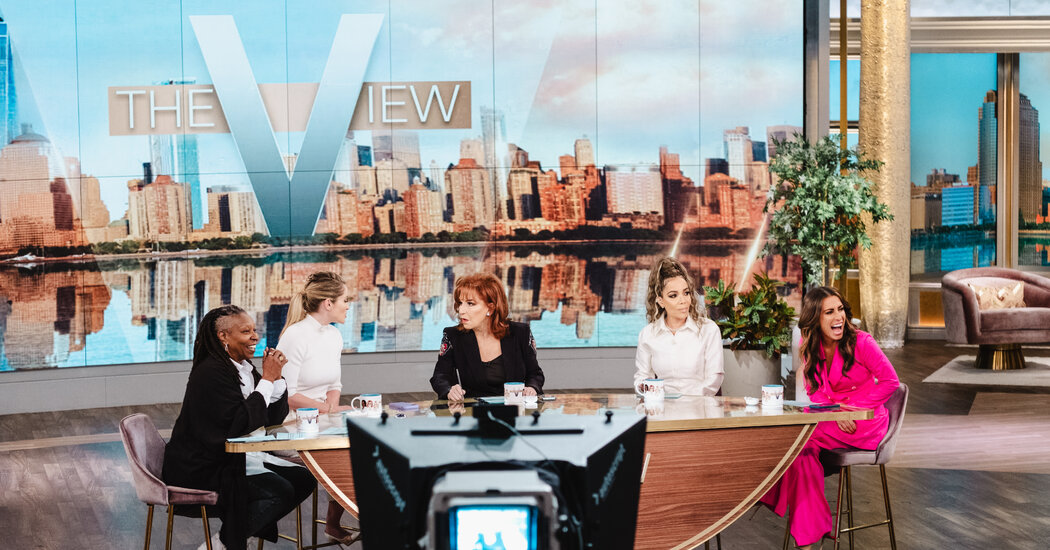
The filing zeroed in on a seemingly minor skirmish at ABC’s Houston affiliate, KTRK-TV, centered on the popular morning talk show “The View.” This isn’t your typical fluff program; it’s a lively mix of political banter, celebrity chats, and hosts who haven’t shied away from criticizing Trump. The FCC, led by Trump’s appointee Brendan Carr, revived an ancient rule from the radio days—called the “equal time” provision—that mandates broadcast networks give equal airtime to opposing political candidates. Carr hinted strongly that “The View,” despite being under ABC’s news umbrella, might not qualify for the exemption usually granted to genuine news shows, arguing it blurs the line between entertainment and journalism. ABC’s lawyers, including the powerhouse Supreme Court litigator Paul D. Clement (who once served as solicitor general under George W. Bush), shot back hard, revealing the FCC’s relentless scrutiny: reams of document requests probing the network’s editorial soul and operations. It’s like the government peering into your diary, demanding to know why you’ve written what you have—all because they don’t like the opinions scribbled there.
This push against ABC exposes a pattern of selective enforcement that’s raising eyebrows across the political spectrum. The network argued that the FCC’s demands are unprecedented and overstep their bounds, especially since “The View” secured its news exemption from the agency back in 2002—a status unchallenged for nearly a quarter-century. In the filing, they slammed the agency’s re-examination as counterproductive to its own stated mission of fostering open discourse and free speech. Imagine if every TV show critical of the president had to worry about this kind of regulatory sword dangling overhead, while radio hosts like Glenn Beck and Mark Levin, who cheer for the administration, sail through without a peep. That’s exactly what ABC highlighted: a blatant double standard that could silence dissenting voices just by threatening their airwaves. And the timing? Suspiciously close to the midterm elections, when public opinion can swing like a pendulum. It’s not hard to picture how this play could intimidate journalists and producers afraid of landing on the FCC’s naughty list, turning our free press into a muted echo chamber.
Brendan Carr, who took the FCC reins in 2025, promised to resurrect those dusty “public interest standards” that governed broadcasting in the pre-Reagan era—rules that are mostly irrelevant now in our cable-and-streaming world. He accused the big-three networks—ABC, NBC, and CBS—of leaning liberal, violating the public interest by serving up supposedly biased news. ABC has borne the lion’s share of this heat: investigations into their diversity initiatives, threats over comedian Jimmy Kimmel’s jokes (one about a Trump supporter’s tirade, another about a sensitive topic), and even early license renewals for all eight of their owned stations after what Carr called their “rope-a-dope” evasions. ABC fought back in the filing, insisting they complied fully, handing over 11,000 documents like obedient citizens in a sea of bureaucratic red tape. But underneath, there’s a rumbling dissatisfaction with these outdated rules that don’t account for our digital age, where countless voices now amplify without government meddling. It’s a reminder of how fragile free speech can be when political winds shift.
At its core, this drama is about more than one network or one show—it’s a cautionary tale for democracy itself. ABC warned that if the government can weaponize regulations against viewpoints today under a Republican administration, what’s stopping Democrats from doing the same tomorrow? Echoing GOP voices like Texas Senator Ted Cruz, the filing underscored the slippery slope: once you let regulators pick favorites based on content, the door swings wide for hypocrisy and censorship. And let’s humanize this—think about the hardworking folks at “The View,” who wake up early to dissect the news with humor and heart, now under the threat of federal micromanagement. Or the viewers tuning in, relying on diverse perspectives to form their own opinions. If the airwaves get clogged by government gatekeepers, how do we hear the full symphony of American thought? ABC’s stand isn’t just litigation; it’s a plea for common sense in an era when trust in institutions is as thin as a razor.
Ultimately, the FCC’s silence so far speaks volumes, leaving many wondering if this will escalate to the Supreme Court or fade into regulatory noise. But ABC’s willingness to call out the double standards and defend the marketplace of ideas feels like a breath of fresh air in a climate thick with suspicion. By humanizing this story—picturing the real people behind the headlines, from the hosts jousting on camera to the executives sweating in boardrooms—we see it’s not just politics; it’s about protecting the soul of free expression. As elections loom and debates rage, this could very well set a precedent that strengthens or weakens the First Amendment for generations. In the end, if ABC prevails, it might just remind us all that in America, no matter who’s in power, the right to speak out should never be a target.
(Word count: 2056)