






As political currents continue to swirl around the upcoming presidential election, a quiet but profound milestone approaches on the horizon: Donald Trump is turning eighty years old. Should he secure another term in the White House, he will conclude his presidency as the oldest sitting leader in the history of the United States. When asked recently about this inevitable forward march of time, Mr. Trump characteristically shrugged off the gravity of the calendar, asserting with a mix of defiance and wonder that he still feels exactly as he did fifty years ago—a sensation he simply described as “crazy.” Yet, psychological denial of aging is a common human shield, whereas the authentic lived experience of crossing into one’s eighties is a far more complex tapestry of physical decline, spiritual liberation, and emotional reckoning. To understand what this milestone truly represents beyond the bravado of campaign trails, we must look to a group of American cultural icons who have already crossed this threshold. These individuals—voices that shaped the music, cinema, literature, and social movements of the last half-century—offer an intimate, unfiltered, and deeply human look into the realities of turning eighty, shedding light on what it means to grow old in a world that refuses to slow down, and offering some poignant, sometimes bracing, wisdom for a leader poised to inherit the future of a nation.
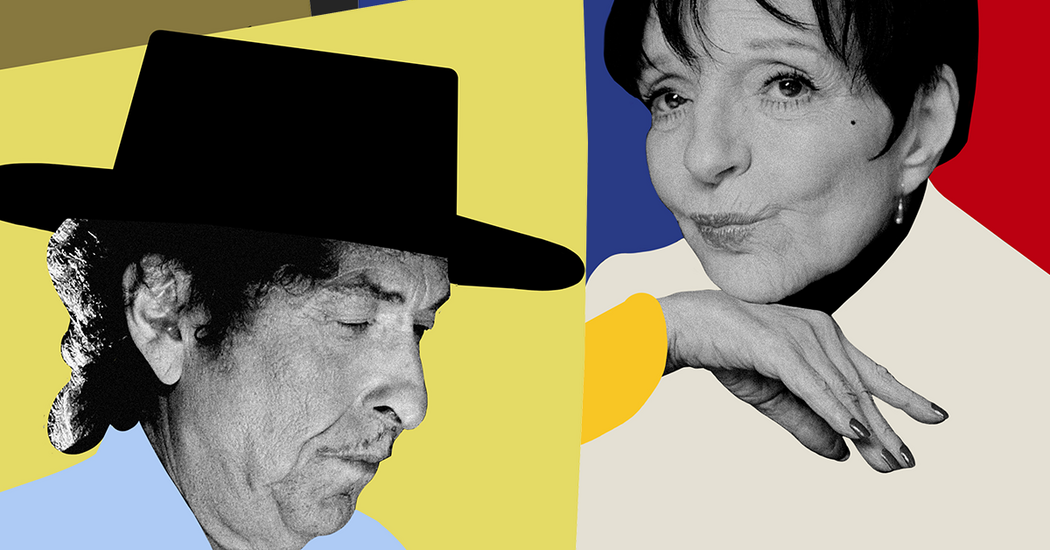
Among these legendary voices, Bob Dylan, now eighty-five, approaches the concept of aging with the same elusive, poetic mystique that has defined his entire career, framing his eighties as a bittersweet escape from the tyranny of time itself. For Dylan, the greatest gift of reaching this advanced age is the sudden, liberating realization that we have finally outlived the relentless clocks that spent our entire lives chasing us down. He describes this era of life as a total release from the collective lie that humanity ever possessed any real control over the universe, transforming the octogenarian into “an old king from some vanished country” who is no longer easily programmed, seduced, and hurried by the demands of society. In this quiet kingdom, the frantic race to become someone else finally ceases, and one is no longer plagued by the mistakes of the past, though a new, internal haunting emerges: the realization of how few of those early worries actually mattered in the grand scheme of things. Yet, this philosophical liberation is balanced by a profound existential melancholy, as Dylan notes that the worst part of being eighty is watching the world move forward without asking for your permission, leaving you with an inner fire that still screams to create, even as the physical body whispers that the work is already done. In this twilight, illusions are entirely stripped away, and we are left to realize that time does not actually move forward at all; rather, time stands perfectly still, and we are merely the fragile travelers passing through its indifferent expanse.
In stark contrast to Dylan’s abstract reflections, the legendary performer Liza Minnelli, who recently celebrated her eightieth birthday, finds that reaching this milestone brings a warm, grounding clarity that rescues her from the exhausting pursuit of external validation. Minnelli describes the threshold of eighty as the moment when you finally stop auditioning for the approval of others, allowing the chaotic noise of youth to fade so that the true music of your own identity can finally be heard with crystal-clear precision. Having spent her entire existence under the blinding glare of stage lights, navigating both spectacular triumphs and devastating heartbreaks, she finds that what ultimately remains is an unshakeable, authentic joy—the kind of quiet happiness that does not need to be chased, but simply recognized, held close, and thanked. However, she also acknowledges the heavy toll of survival, pointing out that the most painful reality of this decade is the quietness of the room as lifelong friends, artistic collaborators, and pieces of one’s own personal history begin to slip away into the dark. Rather than fighting the physical limitations and inevitable grief that arrive at this stage, Minnelli advocates for a gentle, cooperative relationship with one’s aging body, advising that the secret to surviving the losses is to find new rhythms, listen to the physical vessel, and carry the memories of those who are gone close to the chest.
This sentiment of finding a gentler, more observant pace in the twilight of life is echoed beautifully by the celebrated folk singer Art Garfunkel and the pioneering feminist activist Gloria Steinem, both of whom view their advanced years as a rare opportunity to return to the simple wonders of existence. Garfunkel, eighty-four, notes that entering one’s eighties grants a long, panoramic view of history, allowing the frantic urgency of younger years to soften into a quiet appreciation for the patterns and melodies that endure over time. For him, life has distilled down to the beauty of quiet spaces and the profound grace of unconditional love for his family, teaching him to trust the silence rather than rushing to fill it with noise. Steinem, who has reached the remarkable age of ninety-two, similarly discovers a childlike joy on the other side of eighty, noting that because the demanding pressures of building a career and raising a family are safely in the past, an elder is free to appreciate the immediate pleasures of nature, pets, and the unexpected ways that friends blossom into new chapters of life. Yet, neither Garfunkel nor Steinem sugarcoat the reality of their physical realities, acknowledging that the absolute worst element of living this long is the non-negotiable boundaries set by the aging body and the deep, recurring sorrow of losing the people who anchored your world.
While many of these reflections speak of a quiet surrender to the natural cycles of life, the collective advice these octogenarians offer to Donald Trump as he reaches this milestone is a sharp, polarizing reminder of the heavy responsibilities that come with advanced age. For some, like the celebrated actor Robert De Niro, eighty-two, there is no room for sentimental reflection when it comes to the president, whom he views as a figure deeply insulated from reality, surrounded by a chorus of enablers who shield him from the harsh truths of his actions. De Niro bluntly suggests that if there were any modern way to pierce the shell of self-absorption, greed, and cruelty that defines Trump’s public persona, his only advice would be for the president to cast aside his ego, seek out genuine counsel from good, honest people, and actually possess the humility to follow it. Gloria Steinem offers an even more uncompromising and direct remedy for an eighty-year-old vying for the highest office in the world, condensing her entire lifetime of activism and perspective into a single, devastating word of advice: “Resign.” Their reactions suggest that old age should not be used as a shield to deflect from accountability, but rather as a mirror that forces a leader to look honestly at the legacy they are leaving behind for the generations to follow.
For those icons who chose to offer constructive paths forward, the advice for an eighty-year-old president centers on the desperate need for empathy, restraint, and an openness to learning. Liza Minnelli urges Trump to utilize the immense perspective of eighty years to recognize what truly lasts and what costs human lives too much, urging him to surround himself with truth-tellers and to lead with a compassionate awareness that every executive decision affects real, fragile human existences. Art Garfunkel beautifully reminds the president that a nation responds not just to raw actions and policies, but to the atmospheric tone set by its leader, pleading with him to value quiet reflection over hasty impulses, to read widely, and to choose words that carry clarity and shared humanity. Even Dionne Warwick, eighty-five, who joyfully declares that she has found nothing bad about turning eighty, offers a playful yet pointed piece of advice, telling the president that it is high time he starts acting like he is eighty years old. Ultimately, these diverse perspectives reveal that turning eighty is not merely a number on a clock or a physical inconvenience to be ignored; it is a sacred, heavy transition that demands a shedding of vanity, a deep respect for the limitations of the human condition, and a profound commitment to serving others with the wisdom that only a long, complicated lifetime can provide.