




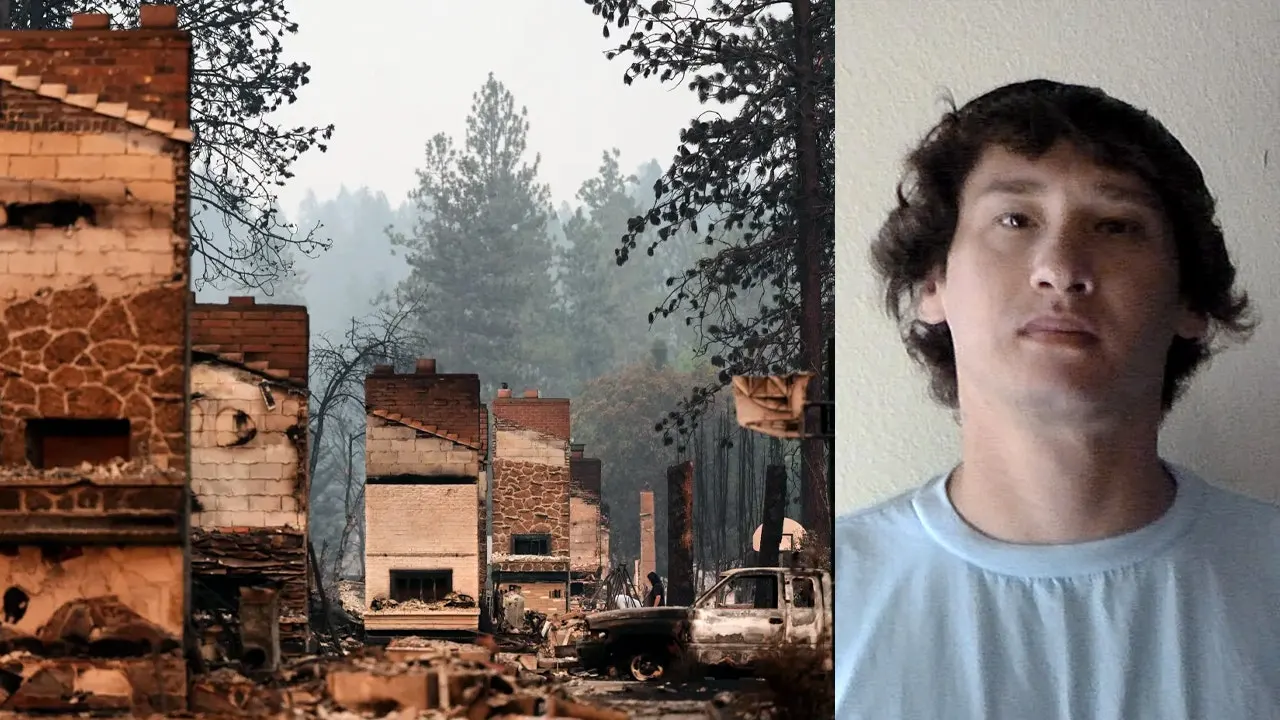
On the afternoon of August 1, the skies over Spokane County, Washington, turned a bruising, apocalyptic shade of orange as the Old Trails Fire erupted, forever altering the lives of thousands of families. What began as a flicker in the dry brush quickly exploded into a monstrous wall of flame, chewing through more than 3,200 acres of parched Pacific Northwest landscape with terrifying speed. In its wake, the fire left a trail of smoldering devastation, reducing approximately 700 homes and structures to ash and leaving families to sift through the ruins of their lives for charred mementos. For the more than 60,000 residents who were forced to pack their lives into suitcases and flee their neighborhoods under emergency evacuation orders, the trauma was physical, financial, and deeply emotional. In the days that followed, as the community began the grueling process of mourning their losses and seeking comfort, a sickening truth began to emerge from the ashes. This was not a tragic accident of nature or a dry lightning strike, but the result of a deliberate, cold-blooded act of sabotage, leaving a community already choking on smoke to grapple with the terrifying realization that a predator had been actively hunting their homes with fire.
The man accused of orchestrating this nightmare is Aaron Forrest Farinacci, a 37-year-old local whose alleged actions paint a chilling portrait of a highly organized and obsessive mind. Farinacci did not merely act on a whim; according to court documents, his methods were as calculating as they were destructive. He allegedly monitored weather applications on his phone with clinical precision, searching for the exact atmospheric conditions—low humidity, high winds, and scorching temperatures—that would guarantee his fires would spread rapidly and resist containment. On the day of the Old Trails Fire, investigators allege he stood in the dry heat, checking the local weather forecast while meticulously assembling a delayed-ignition device. This device, crafted from paper, matches, cigarettes, and rubber bands, was modeled after the infamous designs of John Leonard Orr, a notorious serial arsonist and former fire captain who terrorized California in the 1980s and 1990s. By using this time-delay mechanism, Farinacci was able to walk away from the scene unnoticed, creating a deceptive window of time between his departure and the first spark of the catastrophic blaze, leaving the community completely vulnerable to a silent, ticking time bomb.
When detectives took Farinacci into custody on August 3, he initially put up a front of innocence during a tense, 90-minute interrogation, denying any involvement in the wildfire that had just displaced tens of thousands of his neighbors. However, as investigators presented the evidence they had compiled, the suspect’s defenses crumbled, leading to a sprawling confession that revealed a much larger, multi-year campaign of terror. Farinacci eventually admitted to planning the Old Trails Fire for two full weeks, but the most horrifying revelation was his admission to setting approximately 25 separate fires in the region since 2025. Detectives were able to corroborate physical and circumstantial evidence directly linking him to several other major local blazes, including the Aubrey White, Copper River/Meenach, Fort George, and Indian Bluff fires. To make matters worse, Farinacci reportedly confessed to a deeply sinister tactical maneuver: he intentionally ignited simultaneous fires in different locations to split up, distract, and thin out local emergency response crews, ensuring that firefighters would be overwhelmed and unable to respond effectively to his primary targets.
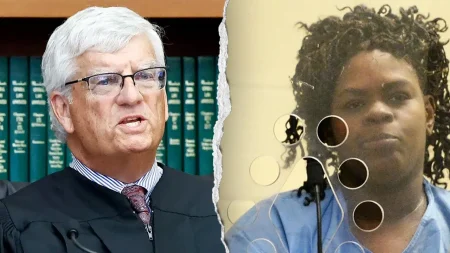
This alarming confession brought a solemn, tense energy to the Spokane County courtroom during Farinacci’s recent appearance, where the full weight of his alleged crimes was laid bare before Judge Jeremy Schmidt. Spokane County Prosecutor Preston McCollam spoke with quiet urgency as he detailed the sheer scale of the destruction, arguing that Farinacci represented an extreme danger to the public and asking the court to double his bail to a staggering $2 million. McCollam emphasized the gravity of the situation, especially given the addition of four new counts of first-degree arson stemming from the other fires Farinacci allegedly set. Judge Schmidt agreed with the prosecution’s assessment, noting that the $2 million figure was entirely appropriate given the catastrophic loss of property and the threat to human life. The proceedings were ultimately paused and the formal arraignment delayed, however, when Farinacci’s defense attorneys requested a mental competency evaluation to determine whether their client is psychologically fit to stand trial, leaving the victims to wait a little longer for the wheels of justice to turn.
For the survivors of the Old Trails Fire, the legal battles are a distant backdrop to the daily reality of rebuilding their lives from scratch, a journey marked by profound grief but also incredible moments of human resilience. Among those trying to find a path forward are individuals who lost everything they owned, yet refuse to let their spirits be consumed by the anger and bitterness of the arsonist’s actions. One local survivor shared a moving testimony of finding “joy through Jesus” amid the charred ruins of her home, demonstrating how faith and community support can act as a powerful antidote to such senseless malice. This grace stands in stark contrast to Farinacci’s own dark history, which records reveal is stained by extreme violence. Long before he was accused of burning down Spokane County, Farinacci was convicted of manslaughter for the 2010 fatal shooting of his own father in Arizona, a crime for which he pleaded guilty to manslaughter and aggravated assault, serving a decade in prison before his release.
Ultimately, the story of the Spokane County fires is not just a tale of destruction and criminal obsession, but a testament to a community’s enduring strength in the face of terror. As the legal system prepares to evaluate Farinacci’s mental state and hold him accountable for the 25 fires he allegedly set, the people of Spokane are proving that their bonds are far stronger than the flames that tried to tear them apart. The charred trees will eventually grow back, and the homes will be rebuilt, but the memory of how neighbors came together to support one another in the darkest hours of the evacuation will remain. While the psychological scars of the fire will undoubtedly linger for years, the resilience of the survivors serves as a beautiful reminder of the human spirit’s capacity to overcome. Farinacci may have used matches and weather apps to spark a crisis of historic proportions, but he could not burn away the hope, faith, and unity of the community he tried so desperately to destroy.