






On an ordinary Thursday evening in Albuquerque, a handful of young men gathered in a modest apartment with groceries, good intentions, and the warm, earthy smell of green chile simmering on the stove. They were cousins, bound by blood and by the kind of easy familiarity that comes from growing up in the same family, sharing the same jokes and the same recipes. The plan was simple: cook a batch of green enchiladas, drink some alcohol, and spend the evening together. No one could have predicted that by 11 p.m., one of them would be dead, shot in the back on a walkway between apartment buildings, while the other would be in handcuffs, facing a murder charge over what began as a dispute about the spice level of their dinner. The story of Ervin Joaquin Gutierrez and Nathaniel Cavazos is not just a bizarre news headline — it is a heartbreaking illustration of how quickly the ordinary can curdle into the tragic, especially when alcohol, pride, and a loaded gun are present in the same room.
According to police affidavits and witness accounts, the evening began peacefully enough. Ervin Joaquin Gutierrez, 22, arrived at the apartment to visit his cousin Nathaniel Cavazos, 25, and another young relative. The three men pooled their money, drove to a nearby grocery store, and bought the ingredients for a meal that was steeped in tradition and comfort: green enchiladas. Back at the apartment, they cooked together and began drinking. For a while, the scene must have looked like a family snapshot — three cousins, steam rising from plates, laughter and banter filling the kitchen. But the atmosphere soured when Gutierrez started focusing on the chile. He repeatedly insisted that the chile smothering his enchiladas was hotter than the chile on Cavazos’s plate. He challenged his cousin to taste his food, almost as a dare, as if the spiciness of his portion was a matter of honor. Cavazos, likely growing annoyed, tried to reason with him, pointing out that they were all eating from the same batch of enchiladas, so there could not possibly be a difference in the heat level. What should have been a trivial, even comical, disagreement somehow became the seed of a family catastrophe.
The tension did not dissipate; it expanded, filling the kitchen like smoke. The third cousin, the witness in this tragedy, recognized the danger and tried to intervene. He suggested the two of them take his dog for a walk, hoping that fresh air and the distraction of a pet might break the spell of anger that had descended on the room. The plan initially seemed to work — the three men stepped outside, the dog tugging at the leash, the night sky offering a momentary sense of calm. But then the argument reignited, and words turned to blows. Cavazos and Gutierrez began fistfighting on the property, the sounds of their struggle echoing off the apartment walls. According to the witness, Cavazos got the better of the fight, punching his cousin hard enough to leave him bleeding. Perhaps feeling satisfied or simply exhausted by the conflict, Cavazos began to walk away from the fight, leaving the wounded and humiliated Gutierrez behind. It was a moment that could have ended the night — but instead, it became the point of no return. Bleeding, angry, and likely intoxicated, Gutierrez decided that losing a fistfight was not the end of the story.
What happened next transformed a family quarrel into an irreversible act of violence. Gutierrez pulled out a handgun and began firing at his cousin’s back. According to the witness, he screamed, “We’re family! We’re family! How could you do this to me?” as he squeezed the trigger, sending three or four bullets toward Cavazos, striking him in the back. The words are almost unbearable in their irony — he was invoking family even as he destroyed it. Cavazos, who had been walking away, never saw it coming. He collapsed on a walkway between apartment buildings, bleeding profusely into a growing pool of dark blood. Police arrived around 11 p.m., but there was nothing they could do. They found Cavazos dead, his life cut brutally short in a place that should have been safe. Nearby, investigators also discovered a handgun belonging to Cavazos, roughly ten yards from his body. The detail is haunting because it suggests that both men were armed that night, or at least that Cavazos had a weapon of his own — but he apparently never had a chance to reach it. A fight over enchiladas had ended with one cousin dead and the other a fugitive.
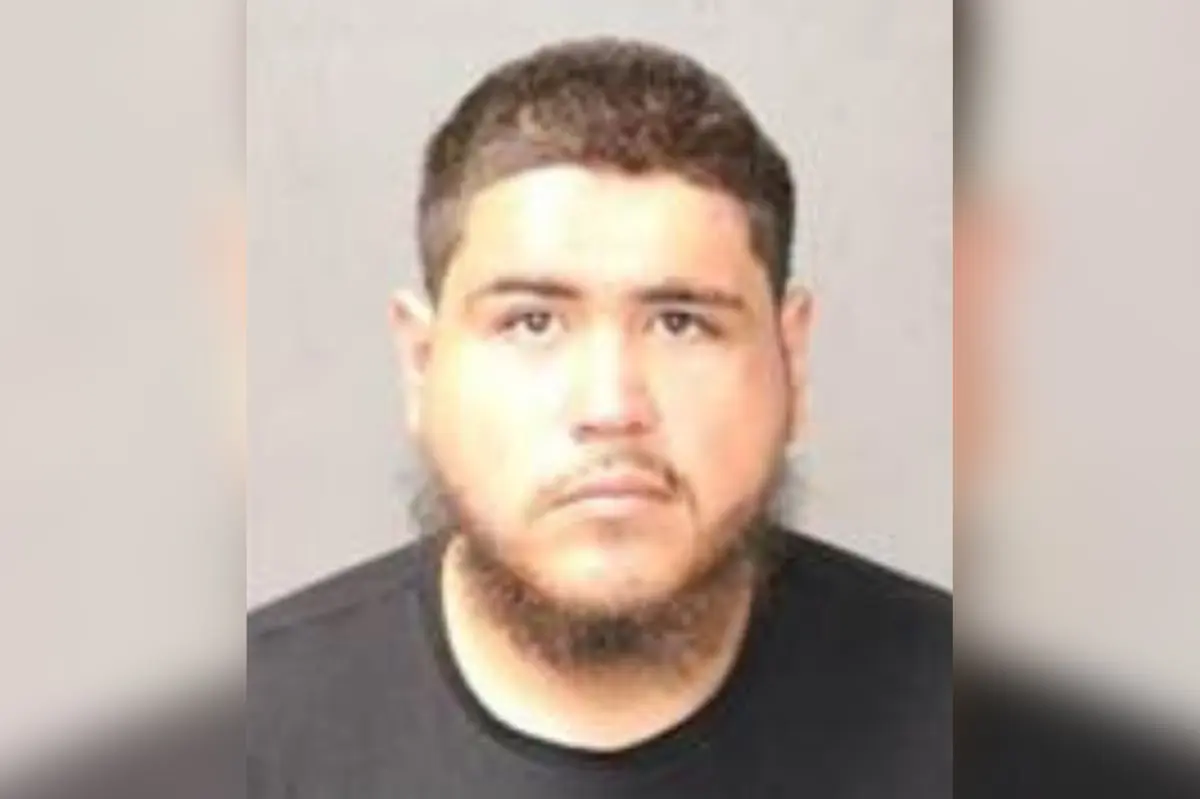
In the chaotic aftermath, Gutierrez fled the scene, leaving behind his bleeding cousin and the shattered witness, who was left to grapple with the horror of what he had just seen. But Gutierrez did not disappear into silence. Instead, he sent a Snapchat message that police later reviewed — a digital confession wrapped in self-justification. “Is he really dead?” he allegedly wrote. “I did not want to kill him, but I didn’t want him to kill me.” The message reveals a mind trying to rationalize the irrational, framing himself as the victim in a story where he was clearly the aggressor. He claimed Cavazos had threatened his life, but witness accounts and the physical evidence painted a different picture: Cavazos had won the fistfight and walked away, leaving Gutierrez behind. Gutierrez was the one who escalated the violence by introducing a gun into a fight that was already over. He was arrested late Friday and booked into the Metropolitan Detention Center on an open count of murder. The jail records list him as a 22-year-old man whose future now stretches out behind bars, defined by a decision made in a split second of rage and humiliation.
The broader tragedy of this case is how painfully avoidable it was. Two young men, linked by blood and shared heritage, sat down to a meal meant to bring comfort and connection. Green enchiladas are not just food in New Mexico — they are a cultural touchstone, a symbol of home, family, and tradition. Yet that shared heritage was not enough to overcome the volatile combination of alcohol, pride, and simmering anger. The argument over chile heat was never really about the chile. It was about ego, about who was right, about the fragile masculinity that turns small disagreements into tests of strength. If no gun had been in the picture, the night would have ended with bruises and resentment, not a funeral. If someone had been sober, or if the third cousin’s suggestion to cool down had been heeded, a family would still be whole today. Instead, another life has been lost to senseless violence, another community left to mourn, and another family left torn between grief for the victim and shame for the accused. The mother who raised these boys will have to process an unthinkable reality: one son dead, another son jailed, all because rice and chicken and chile couldn’t be shared without a fight. The true tragedy is not that two people disagreed about dinner; it is that they forgot they were family before they reached for their weapons. In the end, the dusty Albuquerque apartment complex, the dog walk, the Snapchat message, and the pool of blood all tell the same story: that a moment of rage can undo a lifetime of kinship, and that a plate of green enchiladas, meant to nourish, can become the last meal for one young man and the beginning of a life sentence for another.