






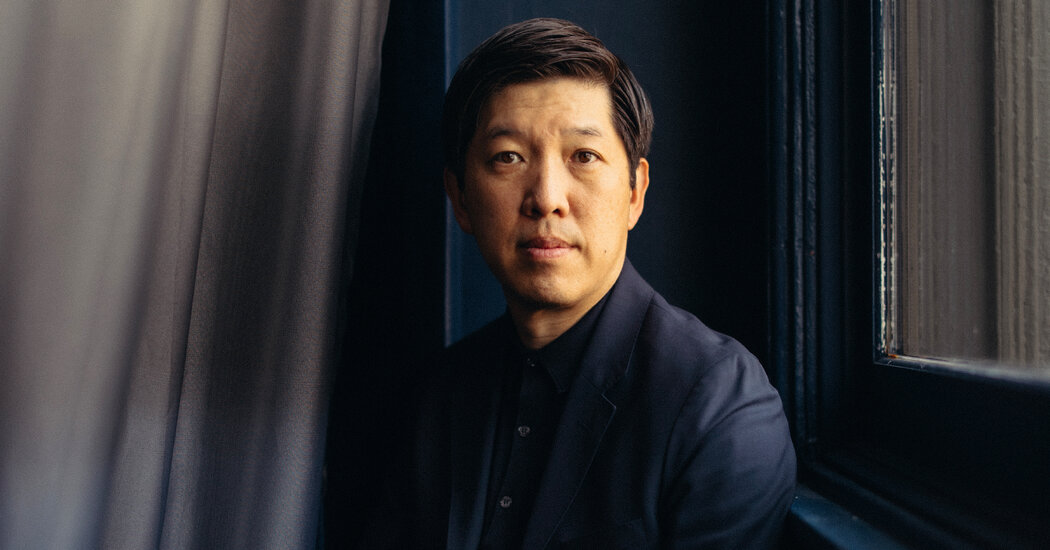
Dan Lin’s ascent to the peak of the entertainment industry is a compelling narrative of entrepreneurial daring, creative foresight, and an unshakable commitment to his own distinct operating philosophy. Long before he stepped into the highly coveted role of Film Chairman at Netflix, Lin had already established himself as a force to be reckoned with by breaking away from the traditional studio system to launch his own production companies. Through these innovative ventures, he masterminded a spectacular run of high-profile projects that captured both the global box office and critical acclaim. His touch was evident in the vibrant, live-action reimagining of Aladdin, the colossal and destructive spectacle of Godzilla vs. Kong, the terrifyingly atmospheric horror masterpiece It, and the deeply intimate, intellectually stimulating drama of the Oscar-nominated The Two Popes. This diverse and phenomenally successful portfolio demonstrated a rare, chameleon-like ability to master completely different genres and connect with vast, global audiences. His impressive track record inevitably attracted the attention of industry giants; by 2022, his name was at the very top of the list to oversee the notoriously complex DC Comics film division, a selection process that elevated his profile to that of a top-tier creative visionary. Although he ultimately did not assume the DC mantle, the high-stakes consideration locked his status as one of Hollywood’s premier strategic minds. When Netflix began hunting for an elite executive to succeed the beloved and long-serving Scott Stuber in 2024, Lin emerged as the ideal candidate to spearhead the platform’s massive cinema portfolio. His appointment was not merely another line on a resume; it was a watershed moment that signaled a profound cultural transformation, ushering in an era of direct accountability, budget discipline, and streamlined management style at the world’s most influential and prolific streaming service.
When Lin assumed his leadership duties at the streaming giant, he carried with him a cherishable piece of wisdom that had been gifted to him years earlier by his legendary mentor, the former Warner Bros. chairman Alan Horn. Horn’s sage advice was deceptively straightforward yet radically counter-cultural: always return phone calls yourself, and always speak the unvarnished truth. In the glittering, heavily mythologized landscape of Hollywood, where manufactured flattery is the default currency and fragile creative egos require constant, meticulous maintenance, most power players understand that truth is a volatile substance best diluted with social lubrication and polished spin. Lin, however, rejected this culture of soft-peddling and indirect messaging, choosing instead to implement a remarkably straightforward, hands-on methodology. He quickly made a name for himself as an executive who is uniquely accessible, proudly asserting that he is likely the most responsive and approachable studio chairman in the entire entertainment ecosystem. Unlike his peers who hide behind a phalanx of protective assistants, junior executives, and publicists, Lin makes his own phone calls and engages directly with filmmakers and agents alike. This unusual level of accessibility eliminates the frustrating game of telephone that typically bogs down studio negotiations, ensuring that anyone pitching a project or seeking feedback knows exactly where they stand immediately. By breaking down the traditional, deeply entrenched barricades of studio hierarchy, Lin has demystified the greenlighting process, bringing an unprecedented level of human-to-human connection to a corporate environment that so often feels cold, distant, and automated.
This uncompromisingly direct approach has earned Lin the reputation of being a definitive “straight shooter” in a town normally characterized by evasions and polite delays. Among the industry veterans who have championed this refreshing clarity is Todd Black, the highly respected producer behind acclaimed, emotionally resonant masterpieces such as Fences and Ma Rainey’s Black Bottom. Black’s experience with Lin highlights how this blunt philosophy translates into the highly stressful, practical realities of modern film budgeting and production. Rather than engaging in the typical, drawn-out dances of negotiation where studio heads hint at possibilities only to slash budgets at the eleventh hour, Lin presents numbers as absolute, unchanging realities. He establishes a clear budget limit from the very beginning, placing the creative responsibility squarely on the shoulders of the producers to make the math work. In this streamlined paradigm, there is no room for wishful thinking or financial delusion; if a production team find themselves unable to make a film within the designated parameters, they know they can approach Lin directly for help. However, they also know that his response will be entirely devoid of false comfort: he might offer a practical, creative solution to bridge the gap, or he might plainly state that he cannot help, ending the conversation with a clean, respectful finality. This binary style of decision-making saves producers months of wasted time and emotional exhaustion, replacing the traditional psychological games of Hollywood development with a transparent framework that respects the intelligence and time of all parties involved.
However, the transition from the diplomatic warmth of Scott Stuber to the clinical efficiency of Dan Lin has been nothing short of a seismic culture shock for many of the industry’s most prominent directors and actors. Stuber’s tenure was marked by a highly personalized, talent-friendly approach, characterized by a smooth, accommodating touch that made creators feel safe, protected, and endlessly valued amidst the shifting tides of corporate strategy. Lin’s arrival dismantled this comfortable environment, replacing Stuber’s soft-cushioned diplomacy with a style that is frequently described across town as officious, blunt, and unembellished. Whispers and dramatic stories circulate throughout the competitive circles of Beverly Hills and Burbank regarding his occasionally awkward bedside manner and his refusal to engage in the typical flattery that talent has come to expect from studio heads. Yet despite these minor waves of behind-the-scenes friction, there is no denying the sheer, unprecedented scale of the production apparatus that Lin is tasked with running day in and day out. Overseeing a vast global staff numbering in the hundreds, including an entire, state-of-the-art animation studio, Lin’s division still greenlights and delivers more feature films annually than any other studio on the planet. To manage this relentless wave of content without drowning in developmental delays requires a disciplined, highly structured commander who prioritizes operational speed and clarity over long hours of hand-holding and ego-stroking.
While some creatives struggle to adapt to this colder climate, many prominent filmmakers and producers argue that Lin’s lack of pretense is a desperately needed breath of fresh air in a fundamentally exhausting environment. Acclaimed producer Liza Chasin, who has collaborated extensively with Lin, articulates this perspective with striking candor when she remarks that while she might not want him as her personal doctor during a life-threatening illness, she immensely prefers his bluntness over the standard industry politeness. For seasoned veterans like Chasin, the endless cycle of “fake yeses,” vague postponements, and polite rejections that characterize traditional studio relationships is far more damaging and exhausting than a hard, immediate rejection. Under Lin’s leadership, the creative bar is never a moving target; he makes it instantly clear what the studio requires, allowing producers to channel their energy into meeting those high standards rather than trying to decode corporate doublespeak. This transparent relationship has already proven to be highly lucrative and structurally efficient, as evidenced by their collaboration on the Sacha Baron Cohen comedy Ladies First, which rapidly rose to become the most-watched film on Netflix’s massive platform. The professional synergy between Chasin’s creative ambition and Lin’s direct, pragmatic management style is set to continue with promising upcoming projects like The 99’ers and The Last Mrs. Parrish, demonstrating that clarity, far from stifling creativity, can act as its ultimate catalyst.
In the grander scheme of the entertainment landscape, Dan Lin’s bold stewardship of Netflix’s film organization represents a fascinating, high-stakes experiment in whether raw honesty, fiscal discipline, and absolute transparency can successfully coexist with the highly delicate, passionate, and subjective process of making art. By choosing to pick up his own phone, bypass the traditional insulation of assistants, and deliver unvarnished truths directly to some of the most powerful creatives in the world, he is successfully redefining what it means to be a modern studio leader. He challenges the long-held industry belief that filmmakers must be pampered and appeased with flattering distortions, proving instead that true respect for creative professionals is rooted in complete clarity, structural reliability, and operational honesty. As the streaming giant continues to navigate the unstable economic waters of the digital age, Lin’s pragmatic approach offers a stabilizing force, transforming Netflix’s film division into a streamlined, highly productive cinematic powerhouse. Whether the industry eventually embraces his blunt methods as a revolutionary remedy for Hollywood’s exhausting superficiality or continues to view them with apprehension, Lin has undeniably changed the rules of engagement. In an industry built on illusions, his commitment to the plain truth ensures that every creator who works with him knows exactly where they stand, establishing a new, refreshingly human standard of accountability for the future of cinema.