


Under the expansive, sunlit glass domes of the Haywood Mall in Greenville, South Carolina, a typical Saturday afternoon was unfolding in its traditional, comforting rhythm. As the largest shopping center in the state, this sprawling retail complex has long stood as a bustling civic anchor, a vibrant modern-day town square where people of all ages and backgrounds cross paths. Families wandered leisurely through the brightly lit concourses, children pointed excitedly at toy store displays, and groups of teenagers shared laughs over food court meals, while older residents enjoyed quiet strolls along the polished corridors. The atmospheric white noise of a weekend afternoon—the melodic chime of store entrance sensors, the gentle hum of escalators, and the friendly murmur of thousands of simultaneous conversations—created a profound sense of shared community and absolute safety. Yet, in one terrifying, unexpected moment, this peaceful Saturday ritual was violently shattered by the sharp, echoing reports of gunfire resounding through the central corridors. The sudden, violent disruption instantly transformed the sanctuary of the mall into a scene of unimaginable panic and survival instinct. For brief seconds, a paralyzing wave of confusion washed over the crowd as shoppers tried to reconcile the domestic warmth of their surroundings with the lethal reality of active gunshots. Then, raw survival took over; the air was suddenly pierced by screams, and a frantic stampede of terrified citizens began fleeing toward any visible sign of safety. Parents threw their bodies over their children, shielding them behind heavy metal clothing racks and within the temporary shelter of changing rooms, while courageous store employees acted decisively, pulling panicked strangers inside offices, shutting heavy security grates, and turning off lights to create silent, dark sanctuaries against an unknown threat. In those agonizing moments, the fragile assumption of public safety vanished, replaced by an visceral, collective terror that would forever alter the lives of those present.
The immediate human toll of this sudden crisis was both deeply painful and starkly illustrative of the profound resilience that emerges in the wake of tragedy. As the echoes of the gunshots faded into a chilling silence, the true physical and emotional consequences of the violence became heartbreakingly apparent. The Greenville Police Department soon confirmed that multiple individuals had been wounded in the chaos, with at least two victims suffering injuries severe enough to require emergency transport to local medical facilities. Beyond the physical trauma of those who were struck by bullets, the psychological impact rippled outward to touch thousands of lives, from the young children who spent hours weeping in darkened backrooms to the families who waited in agonizing, tense silence for news from the hospital. Yet, even as fear threatened to swallow the mall, the light of human compassion and heroism burned brightly through the shadows. Strangers became protectors, with ordinary citizens using their own clothing to apply pressure to wounds, whispering words of comfort to quiet the panic of terrified children, and guiding the elderly toward safety. First responders, including paramedics and EMTs, displayed exemplary courage as they rushed toward the building, navigating through gridlocked parking lots to set up emergency triage stations and provide lifesaving care under immense pressure. In the local hospital wards, dedicated doctors, nurses, and medical personnel worked tirelessly to stabilize the wounded, their efforts reflecting a community-wide dedication to saving lives and restoring hope. These acts of profound kindness and bravery serve as a powerful reminder that while acts of violence are designed to tear us apart, the natural human urge to protect, heal, and stand together in solidarity is far stronger and more enduring.
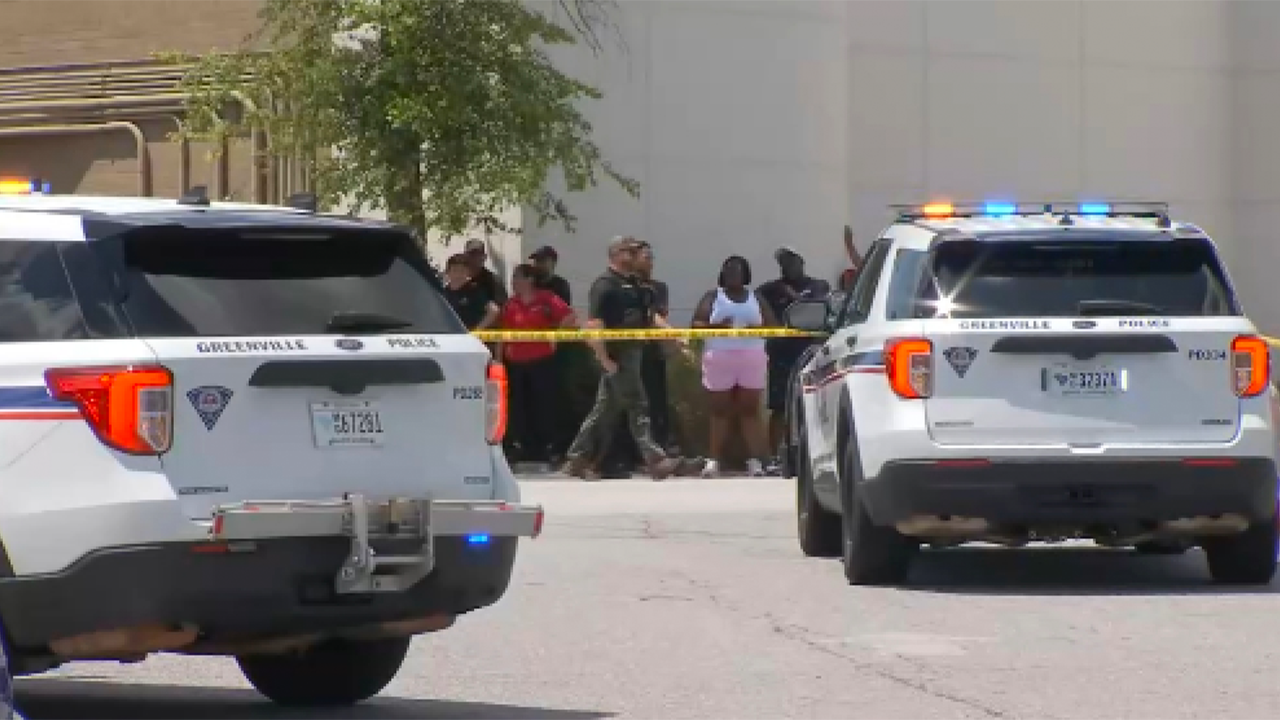
In the tense minutes and hours following the initial reports of violence, a massive and highly coordinated law enforcement operation unfolded at the Haywood Mall as multiple local and state agencies united to secure the area. The response was a powerful display of logistical precision and inter-agency cooperation, involving the Greenville Police Department, the South Carolina Law Enforcement Division (SLED), the South Carolina Highway Patrol, and the Greenville County Sheriff’s Office. Officers and deputies arrived on the scene in waves, their blue and red emergency lights painting the surrounding streets in a stark, flashing mosaic of urgency. Tactical teams systematically entered the massive shopping center, moving methodically from store to store, clearing restrooms, stockrooms, and corridors to ensure that no active threats remained while gently ushering hidden shoppers out into the safety of the afternoon air. Their rapid, strategic intervention paid immediate dividends, resulting in the successful detention of multiple individuals suspected of involvement in the shooting in a remarkably short period. With the immediate danger neutralized, the focus of the operation shifted to a comprehensive, painstaking investigation led by forensic experts and criminal detectives. Teams worked late into the night, cataloging physical evidence, interviewing hundreds of shaken eyewitnesses, and analyzing high-resolution digital security footage from various angles to establish a definitive timeline of the events. This unified search for justice was a clear signal to the terrified community that the rule of law and the safety of the public would be defended with absolute resolve, and that those who brought violence into peaceful civic spaces would be held strictly accountable.
Beyond the legal and physical aftermath of the shooting, the incident at Haywood Mall forces a necessary and deeply poignant reflection on how violence alters our psychological relationship with our shared communal environments. Malls have historically held a special, almost sacred place in the landscape of American suburbs, functioning as secular sanctuaries and modern-day town squares where we engage in the simple, unifying rhythms of social life. They are spaces designed for lighthearted exploration, places where we go to celebrate holidays, buy gifts for loved ones, secure a first job, or simply enjoy a quiet walk on a rainy day. When violence penetrates these familiar, comforting walls, it does more than damage property and physical bodies; it inflicts a profound wound on the collective psyche, replacing a sense of freedom with a heavy, persistent burden of hypervigilance. The survivors of the Haywood Mall shooting, alongside the broader Greenville community, must now navigate the quiet aftermath of this trauma, finding that everyday activities are suddenly overshadowed by a subtle but persistent sense of vulnerability. Simple tasks like walking through a crowded lobby or sitting in a restaurant now require a subconscious inventory of emergency exits, a heightened sensitivity to loud noises, and a constant, exhausting assessment of potential threats. This collective loss of safety is a quiet tragedy that reshapes the social fabric, reminding us of the urgent need to address the root causes of public violence so that our shared spaces can once again be defined by joy, connection, and peace rather than fear and caution.
In the face of this sudden devastation, the true character of the Greenville community began to manifest not through despair or division, but through an overwhelming wave of collective resilience and active compassion. Within hours of the tragic event, local leaders, faith communities, and grassroots organizations began mobilising to provide a safety net of support for those affected by the shooting. Mental health professionals and crisis counselors immediately volunteered their services, setting up hotlines and holding community circles to help survivors process the shock and anxiety of the afternoon’s events. Local businesses and neighborhood associations rallied together, offering practical assistance to the mall employees who found themselves temporarily out of work and organizing vigils to honor the resilience of the survivors and the bravery of the first responders. This grass-roots mobilization served as a beautiful, organic demonstration of suburban solidarity, proving that a community’s strength is not measured by the absence of challenges, but by the warmth and speed with which it embraces its most vulnerable members in times of crisis. The narrative surrounding the Haywood Mall was quickly reclaimed by the people of Greenville, who refused to let their city be defined by a single afternoon of violence, choosing instead to write a story of unity, mutual aid, and unyielding hope. By coming together in parks, churches, and community centers, residents sent a clear, powerful message that the bonds of neighborly love, respect, and mutual care are far more resilient than any act of senseless destruction, light always finding a way to pierce through the darkest of times.
Looking forward, the road to healing for the Haywood Mall and the surrounding community of Greenville will require sustained effort, empathy, and a collective commitment to building a safer, more connected society. This incident does not exist in a vacuum; it is part of a larger, ongoing national conversation about the preservation of safety in public life and the steps we must take to protect our citizens from violence. As the physical storefronts of the mall reopen and the normal flow of commerce eventually returns, the true measure of recovery will lie in how we continue to support one another in the months and years ahead. It involves checking in on neighbors, supporting local mental health resources, advocating for systemic measures that promote peace, and maintaining the spirit of unity that emerged in the hours directly following the crisis. The story of Greenville is ultimately one of survival and resilience, a testament to the enduring power of the human spirit to overcome adversity and rebuild what was broken. By honoring the courage of the first responders, supporting the recovery of the injured, and cultivating a culture of empathy and vigilance, the community can move forward into the future with strength and confidence. In doing so, they demonstrate that while we may occasionally face moments of profound darkness, our collective light, when joined together, is capable of illuminating the path toward a safer, more harmonious, and deeply compassionate world for generations to come.