





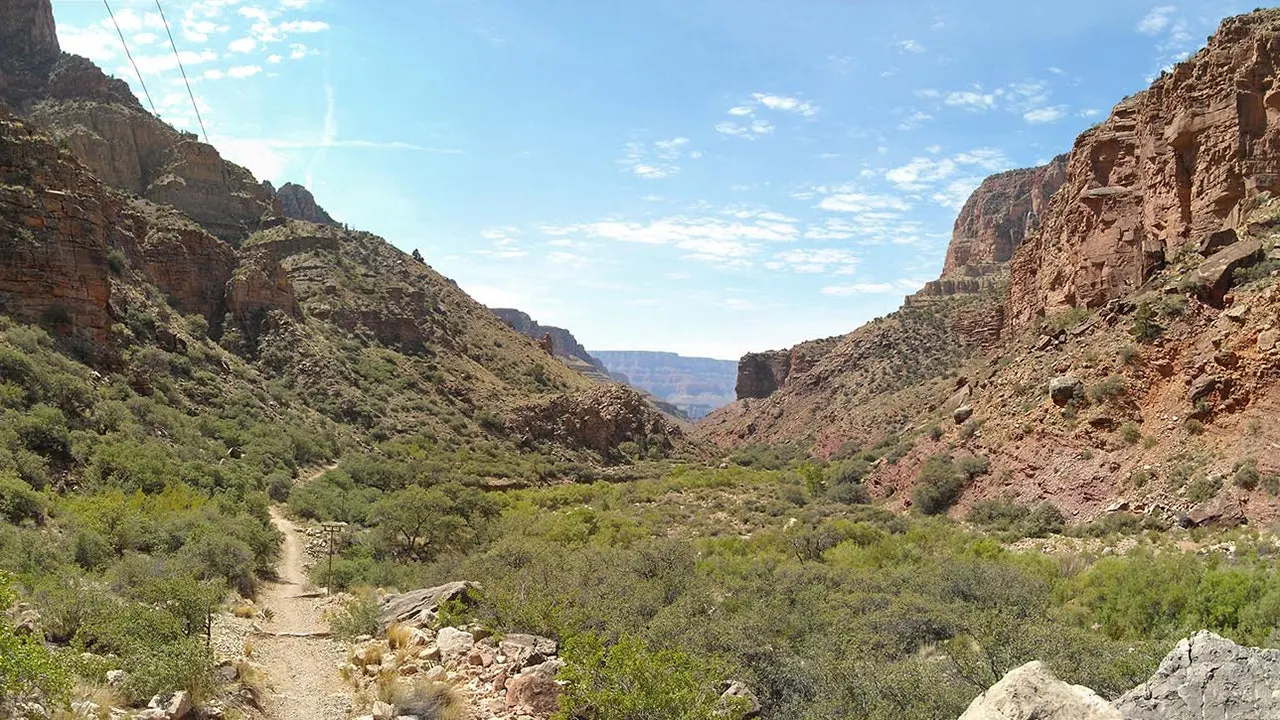
The Grand Canyon stands as a monumental testament to the raw, sculptural power of nature, a vast expanse of crimson cliffs and deep, labyrinthine gorges that attracts millions of visitors from every corner of the planet each year. Yet, beneath the breathtaking, postcard-perfect vistas that frame its rim lies a stealthy and unforgiving adversary that escalates dramatically as the summer months roll in: extreme heat. During the peak of summer, the inner canyon transforms from a scenic marvel into a literal furnace, with temperatures in the deep, shaded recesses easily surpassing a blistering 109 degrees Fahrenheit during the middle of the day. This extreme environment creates a deceptive trap for even the most enthusiastic adventurers, who often underestimate how quickly the radiating desert sun can sap human vitality. In a sobering press release, the National Park Service (NPS) confirmed a series of devastating, heat-related tragedies that claimed the lives of multiple hikers in quick succession. These catastrophic events have cast a somber shadow over the historic park, serving as a harsh reminder of the physical limits of the human body when matched against the raw, unyielding elements of the American Southwest. As families grapple with the sudden, shocking loss of their loved ones, park officials and rescue teams are left to reckon with a seasonal spike in trail emergencies that underscores the critical danger of underestimating the canyon’s deep, thermal depths. What begins for many as a bucket-list journey of self-discovery and natural appreciation can, in a matter of hours, devolve into a desperate, life-or-death struggle for survival as the intense summer heat strips away the body’s natural defenses.
The tragedy exploded with heartbreaking speed across some of the canyon’s most beautiful but grueling trails, claiming three lives in separate mid-month incidents that highlight the severe dangers faced by senior hikers in the inner gorge. According to official reports, park rangers and emergency medical personnel were summoned to two distinct heat-related crises within a four-day window. On June 12, a 72-year-old male hiker collapsed and succumbed to severe symptoms of heat-related illness while attempting to navigate the steep, dusty switchbacks of the South Kaibab Trail, a path notorious for its total lack of shade and relentless solar exposure. Just four days later, on June 16, a double tragedy struck on the remote North Kaibab Trail, where a 67-year-old man and a 68-year-old woman were found deceased, apparently falling victim to the same punishing thermal conditions that grip the inner canyon during midday hours. The North and South Kaibab Trails are legendary among hiking enthusiasts for their dramatic drop-offs and spectacular sweeping views, but they are also incredibly demanding routes that offer absolutely no margin for error when temperatures climb. Despite their potential experience, physical preparation, or passion for the wilderness, these three individuals found themselves hopelessly overwhelmed by a microclimate that behaves less like an open hiking trail and more like a high-altitude thermal trap. The loss of these individuals highlights the profound vulnerability of older adults to unexpected heat stress, leaving families and the outdoor community to mourn lives cut short in a landscape they had traveled so far to admire.
The efforts to save these hikers showcase the immense bravery and dedication of the Grand Canyon’s search and rescue teams, who routinely risk their own safety to pull distressed visitors from the brink of disaster. When the distress calls for the incidents on June 12 and June 16 were received, park rangers and emergency personnel mobilized instantly, utilizing both ground teams and sophisticated aerial support to reach the remote locations in the Inner Canyon. However, despite their rapid response times and the deployment of high-altitude helicopters, the sheer speed with which severe heatstroke ravages the biological systems of the human body meant that all three individuals were already deceased when responders arrived. The process of recovering the victims from the rugged, vertical terrain was both physically arduous and emotionally taxing, requiring rescue crews to navigate dangerous canyon wind currents and extreme heat to bring the hikers out. The bodies were subsequently transported to the Coconino County Medical Examiner’s Office in Flagstaff, where official investigations were launched to formally determine the causes of death. For the park’s ranger community, these recoveries are deeply personal, leaving them to carry the heavy emotional weight of knowing lives were lost despite their best and most heroic efforts. Each recovery serves as a stark reminder of the limitations of modern rescue technology when confronted with the absolute, uncompromising finality of advanced heatstroke in the wilderness.
The devastating toll of the summer heat was made even more poignant by a tragedy earlier in the month that claimed the life of an 18-year-old hiker, demonstrating that youth and physical vitality offer no immunity against the desert’s extreme elements. On June 3, at approximately 1:40 p.m.—the absolute hottest window of the day—the park’s Regional Communications Center received urgent reports of a young man experiencing severe heat-related symptoms on the Bright Angel Trail. The teenager had embarked on an exceptionally ambitious day hike, attempting to travel from the South Rim all the way down to the churning waters of the Colorado River and back within a single day. Rangers immediately launched a coordinated helicopter rescue operation and rushed to his last known location, eventually finding him collapsed approximately 30 feet below the main trail in a rugged, remote area near Garden Creek, just below Havasupai Gardens. Despite the immediate and exhaustive administration of CPR and advanced lifesaving measures by highly trained wilderness medics, the young man could not be revived. The loss of a life so young, brief, and full of promise has sent shockwaves through the community, illustrating the fatal hubris of attempting a “rim-to-river-to-rim” day hike in the heart of summer. This heartbreaking case highlights how quickly cognitive decline, physical exhaustion, and cardiac arrest can occur when a young, active body is pushed beyond its thermal limits on a steep climb.
To truly understand why the Grand Canyon is so uniquely perilous in the summer, one must grasp the concept of the “inverted mountain,” a geographical phenomenon that defies typical hiking intuition and catches many off guard. Unlike traditional mountain climbing, where the hardest climbing is done first and descending brings relief, a canyon hike begins with an effortless descent into increasingly warmer, denser air. As hikers descend deeper into the earth, the temperature escalates at a rate of roughly 5.5 degrees Fahrenheit per thousand feet, meaning that a comfortable, breezy 80-degree day on the South Rim can translate to an unbearable 110 degrees at the canyon floor. Furthermore, the massive vertical rock walls absorb solar radiation throughout the morning and radiate it back out like an oven, creating a stifling microclimate that leaves hikers entirely exposed to high thermal stress. When the body is subjected to these conditions, it attempts to cool itself through sweating, but in the hyper-arid air of Northern Arizona, sweat evaporates so instantaneously that hikers often do not realize how much vital moisture they are losing. This rapid dehydration quickly strips the blood of its volume, preventing the heart from pumping effectively and leading to heat exhaustion, which quickly escalates to heatstroke—a medical emergency characterized by confusion, physical collapse, and systemic organ failure. When hikers finally realize they are in trouble and turn around to head back up, they must perform the most physically demanding part of their trek while already severely dehydrated, exhausted, and mentally compromised.
As the National Park Service and the Coconino County Medical Examiner’s Office finalize their investigations into these tragic summer deaths, the collective grief of the hiking community morphs into an urgent plea for education, preparation, and profound humility. The lives lost this June serve as a solemn warning that the wilderness does not negotiate, and that surviving a trek into the depths of the Earth requires a deep respect for our own biological limitations. Park rangers continue to emphasize that during extreme heat warnings, hikers should completely avoid the inner canyon during midday hours, carry ample water supplemented with essential electrolytes to prevent hyponatremia, and know when to turn back before physical distress sets in. Humanizing these tragedies means remembering that those who perished were not just statistics, but beloved grandparents, partners, and promising young adults who shared a deep love for the breathtaking beauty of our national parks. By carrying their memories forward, we are reminded that the ultimate goal of any wilderness adventure is not merely to conquer a trail or reach a scenic destination, but to return home safely to those who love us. The Grand Canyon’s majestic, ancient beauty will endure for millennia, but its deep corridors demand that we walk them with humility, ensuring that our search for wonder is always balanced by a commitment to safety and a profound reverence for the fragile gift of life.