

1. A Florida morning turned to nightmare
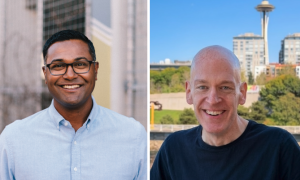
On what should have been an ordinary Wednesday morning, a quiet corporate campus in Brandon, Florida, became the scene of a horrifying act of violence. A gunman, consumed by rage over a disputed credit card debt, drove onto the Citibank Center campus with a rifle and a plan to hunt down innocent workers. Before the morning was over, a 41-year-old woman would be dead, a gunman would be dead, and a community would be left to make sense of a tragedy that seemed to come from nowhere. But amid the chaos and terror, a hero emerged. Hillsborough County Sheriff Chad Chronister identified the man as John Fraley, a security officer at Citibank and a Marine veteran. Fraley did not run. He did not hide. He confronted the shooter, took a tactical position, and fired the shots that ended the rampage. “He didn’t have to stop. He could have run and protected his own life, too,” Chronister said. “He took up a tactical position when he saw the suspect coming and made a decision. That decision put his own life at risk to stop that shooter from harming anyone else.” In the span of a few terrifying minutes, Fraley became the line between life and death for countless employees, and his actions would be hailed as nothing short of heroic.
2. The gunman’s unraveling
The shooter was identified as 35-year-old Jacob Pearson, a married father of a 7-year-old child. He was not a stranger to the world, not a faceless monster, but a man with a family, a home, and a life that had somehow spiraled out of control. The catalyst for his violence was a $2,500 delinquent debt owed to Citibank, and a court summons related to that debt. On the morning of the attack, Pearson called an attorney’s office contracted by the bank for collections. He was furious. He made violent threats over the phone, according to officials and local reports. “Unless you want me to go over there with my AR-15, my bulletproof vest and my insanity, you m———— cancel this court case,” he allegedly said. “Do you understand me? They are only an hour and three minutes away, so the last thing you want to do is f— with me.” Those words were a warning, and they were chillingly specific. But they were also the words of a man who had crossed a line from frustration into something far darker. It is tempting to dismiss Pearson as simply evil, but his story is also a reminder of how financial stress, mental instability, and a sense of being cornered can push a person to the edge. None of that excuses what he did. Nothing can. But understanding the human unraveling behind the violence makes the tragedy no less heartbreaking, especially for the wife and young child he left behind.
3. The security response that tried to stop him
Pearson’s threats were not ignored. Citibank’s head of security, a retired Secret Service agent, recognized the severity of the situation immediately. He contacted the Orlando Police Department to request a welfare check on Pearson, and he also reached out to the Hillsborough County Sheriff’s Office to ask for deputies to be present on the campus. It was a proactive, responsible response to a credible threat, and it very likely saved lives. But even with those precautions, Pearson slipped through the cracks. He got into his sedan and made the drive from Orlando to the Brandon campus, a journey that took about an hour. He crashed through a gate and entered the courtyard where employees were gathered. The security measures in place were not enough to stop a determined and violent man. What stopped him was another human being: John Fraley. Fraley was not a police officer or a SWAT team member. He was a security officer, a former Marine, and a man who had been entrusted with a firearm because of his training and experience. Citibank empowered its security personnel to carry handguns, and that decision proved critical. In the chaos of the attack, Fraley’s training kicked in. He did not hesitate. He did not wait for backup. He moved toward the danger, and he made a split-second decision that would end the shooter’s reign of terror.
4. The murder of LeAnne Selmon
Before Fraley could stop the gunman, Pearson had already taken a life. His first victim was 41-year-old LeAnne Selmon, a learning advisor at Citibank. She was at work, likely doing her job, when Pearson got out of his car with a rifle and shot her three times. It was a brutal, sudden attack. But then, according to Sheriff Chronister, Pearson’s rifle malfunctioned. He went back to his car, retrieved a handgun, and walked back over to Selmon as she was trying to crawl away. He executed her. “As he shoots her, his rifle begins to malfunction,” Chronister said. “This suspect goes back … returns back to his car, retrieves his handgun, walks back over to the victim who’s trying to crawl away with her life and executes her.” The image is almost too painful to imagine: a woman, wounded, terrified, fighting for every inch of life, and a gunman determined to make sure she had none. Selmon was a mother, a wife, a colleague, a friend. She was a person whose life was cut short not because of anything she did, but simply because she was in the wrong place at the wrong time. The sheriff described Pearson’s intent in stark terms: “He was there intent on one purpose, and that purpose was to hunt any human being he could find and kill.” It is a chilling statement, and it underscores just how close the campus came to even greater tragedy.
5. The hero’s stand
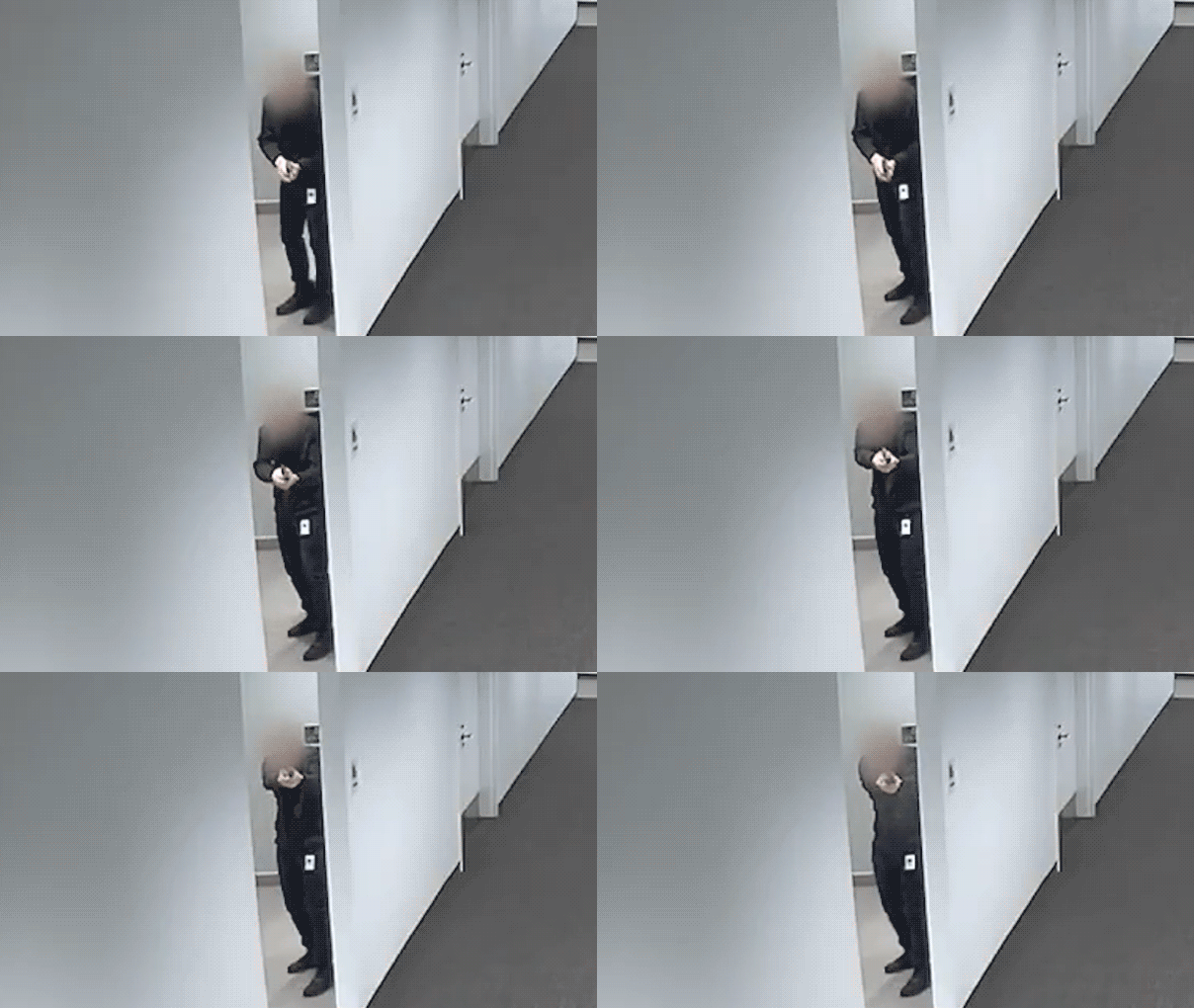
After killing Selmon, Pearson walked into a cafeteria, searching for more victims. He was armed, dangerous, and clearly intent on continuing his rampage. But he did not expect John Fraley. Fraley, a security officer and former Marine, had taken up a tactical position inside the men’s restroom. When he saw the suspect coming, he opened fire. He struck Pearson five times, ending the attack. Pearson was taken to Tampa General Hospital, where he later died from his injuries. Fraley’s actions were not just brave; they were decisive. He put his own life on the line to protect people he may not have even known by name, but who were his responsibility in that moment. Sheriff Chronister made it clear that Fraley could have chosen a different path. He could have run. He could have hidden. He could have worried only about his own safety. Instead, he chose to act. “Because of the heroic actions of this Citibank security officer, vice president of operations, his reign of terror ended before it even began,” Chronister said. Fraley’s Marine training, his discipline, and his courage all came together in a single moment of crisis. He became the wall between a killer and a cafeteria full of innocent people. In doing so, he not only stopped the violence, but he also gave the community a story of heroism to hold onto in the aftermath of so much loss.
6. Grief, reflection, and the road ahead
In the days after the shooting, the focus has rightly been on the heroism of John Fraley and the tragic death of LeAnne Selmon. But there is also grief for the gunman’s family. Jacob Pearson was a husband and a father. His 7-year-old child will now grow up without a father, and with the knowledge of what he did. His wife must grapple with the horror of losing her husband to violence, and the guilt of knowing that he was the one who caused it. The ripple effects of this tragedy extend far beyond the Citibank campus. Coworkers who witnessed the shooting will carry that trauma with them for years. First responders who arrived on the scene will replay the images in their minds. The community of Brandon, Florida, will wonder how a $2,500 debt could turn into a deadly rampage. There are no easy answers. The story is a reminder of the fragility of life, the importance of taking threats seriously, and the quiet bravery of ordinary people who rise to extraordinary moments. It is also a reminder that behind every headline, there are real people: a woman who went to work and never came home, a security guard who risked everything to save others, and a gunman whose family will never be the same. In the end, we are left with two truths. One is that a hero stopped a killer and saved countless lives. The other is that a woman lost her life, and a community lost its sense of safety. Both truths must be remembered. John Fraley is a hero, and LeAnne Selmon deserves to be mourned. The rest is silence, and the slow, painful work of healing.