



Paragraph 1: The Shattering of Routine
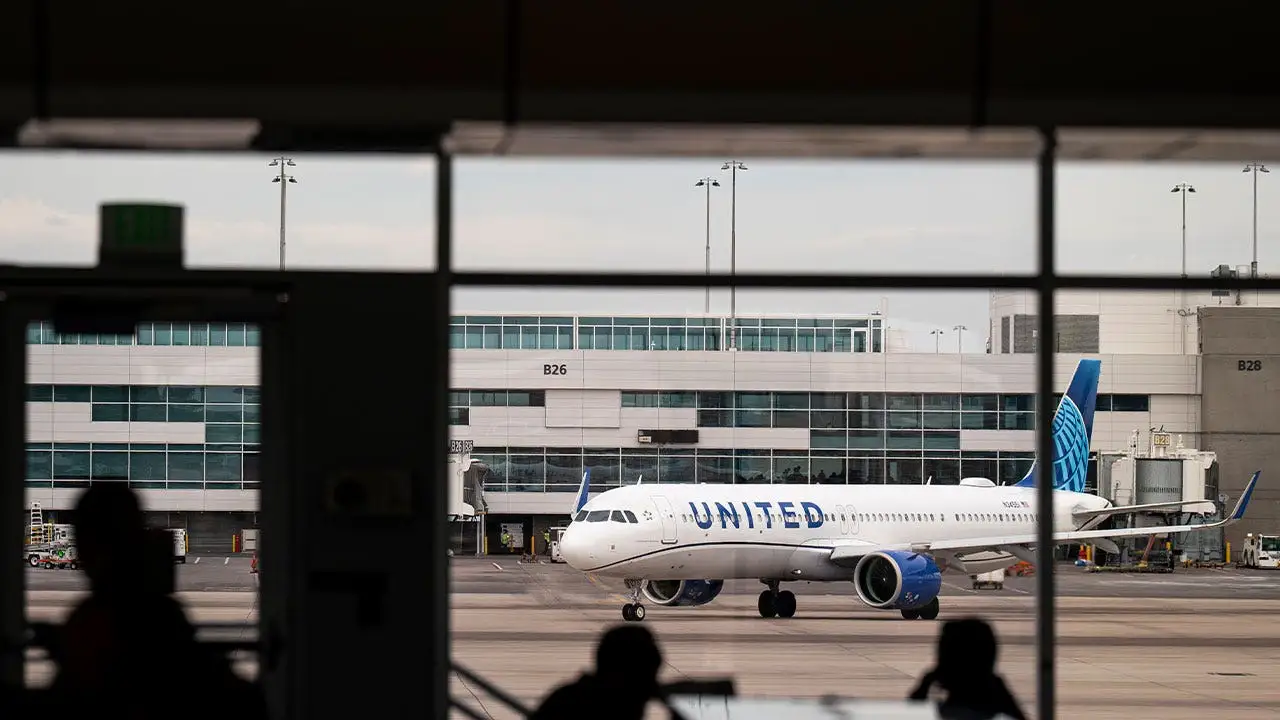
The journey of a routine Thursday afternoon flight begins with a drawn-out exhale. At Denver International Airport, a colossal hub that processes thousands of passengers daily, the boarding of United Flight 1302 was a study in practiced monotony. A massive Boeing 737-900 sat at the gate, its fuselage gleaming under the harsh fluorescent lights of the concourse, waiting to ferry 178 souls across the towering Rocky Mountains to the sun-drenched shores of San Diego. Passengers filed down the jet bridge with the fluidity of cattle, carrying boarding passes, dragging roller bags, and clutching travel mugs filled with lukewarm coffee. They chatted about business deals, scanning emails for the last time before takeoff, or daydreaming about the Pacific Ocean. The cabin crew performed their safety checks with the robotic precision of muscle memory, closing overhead bins and ensuring seatbelts were snug. It was the pinnacle of normalcy—a microcosm of the modern travel experience where mundane efficiency is the ultimate goal. But that fragile bubble of normalcy burst in a single, terrifying moment. Just as the flight was poised to push back from the gate, the cabin’s internal communication system crackled to life. The flight attendants moved with a sudden, urgent stiffness, and a voice came over the speakers—not the usual chipper welcome, but a somber, weighty tone. “The bad news is we found a live round, a bullet, on the airplane,” the speaker announced. The words hung in the air like a physical blow. The low hum of conversation evaporated instantly, replaced by a deafening, suffocating silence. The announcement of a “security breach” sent a jolt of pure, unadulterated panic through the cabin. Every passenger’s brain raced to a dark, visceral realization: a live projectile was present in the highly pressurized, metal tube hurtling through the sky. The casual comfort of a routine flight shattered, leaving only the raw, vibrating frequency of fear.
Paragraph 2: The Disembarkation and the Weight of Uncertainty
The instruction was clear, yet chillingly surreal: everyone had to deplane immediately with their carry-on bags to facilitate a full security sweep. The process, though orderly, was laden with tension. Passengers rose slowly, their eyes darting toward the cockpit and the emergency exits, as if seeking an answer that wasn’t there. They clutched their personal belongings—not just as possessions, but as potential exhibits in an unfolding mystery. The jet bridge felt like a purgatory, a sterile, tube-shaped holding cell between the relative safety of the terminal and the now-suspicious aircraft. Men in sharp suits loosened their ties; mothers instinctively pulled their children closer. Whispers rippled through the line, a cacophony of frantic speculation. Was it a hunter’s forgotten keepsake? A law enforcement officer’s errant round? Or something far more terrifying? The question of ownership hung heavy in the recycled airport air. As they huddled in the bright, unforgiving concourse, the initial adrenaline rush began to curdle into a simmering frustration mixed with a deep, existential dread. This was a gut-wrenching reminder of the delicate covenant of aviation security post-9/11. Passengers had dutifully removed their shoes, surrendered their water bottles, and raised their arms in full-body scanners. Yet, a simple slug of metal had slipped through the net. The barrier between a normal trip and a catastrophic disaster was revealed as heartbreakingly thin. The passengers were not merely delayed; they were forced to confront the unsettling vulnerability of their own safety, left to stew in uncertainty while uniformed personnel swarmed the plane like ants to a picnic.
Paragraph 3: The Sweep and the Machinery of Security
With the aircraft empty, a contingent of security officers—likely TSA agents alongside Denver airport police—moved in with grim determination. They did not glance; they inspected. Hands probed beneath seat cushions, rummaged through the deep recesses of overhead bins, and traced the thin gaps between the floor panels. They examined the lavatories, the galley, and the flight deck, searching for any additional contraband that might be lurking within the aircraft’s labyrinthine confines. It was a forensic endeavor born of terrifying necessity; if one bullet existed, could there be more? The minutes stretched into an agonizing hour, and then two. Passengers milled about the gate area, refreshing flight-tracking apps on their phones, and sending frantic texts to waiting relatives: “Our flight is delayed. They found a bullet. I’m not joking.” The incident was a stark indictment of a system that obsesses over the volume of your shampoo bottle yet somehow misses live ammunition. This was a failure not just of a single screener, but of the entire layered defense network. The scan of checked bags, the metal detectors, the x-rays—all had been bypassed or evaded. The endless wait outside the gate became a psychological exercise in patience. Children grew restless, adults began pacing, and the airline agents at the podium could offer no substantive answers, only apologies. Inside the aircraft, the silent, methodical search was a reminder that safety is not a given, but a constant, active struggle. The passengers were left outside, looking through the large windows at the stationary plane, feeling a sense of profound alienation from the very machine they had trusted moments earlier.
Paragraph 4: The Corporate Response and the Ripple Effect of Delay
In the midst of the chaos, United Airlines, the carrier responsible for this now-infamous flight, managed to issue a statement that was as sterile as an operating room. The airline confirmed that Flight 1302 had undergone a security sweep after a bullet was discovered, and noted, rather dryly, that security personnel had cleared the aircraft, which later departed. They provided the dry statistics: 178 passengers, six crew members, a delay of over two hours. The aircraft had been scheduled to leave Denver at 1:25 p.m. Mountain Daylight Time. It finally managed to push back and lift off at approximately 3:41 p.m., abiding by strict safety protocols. This two-hour-and-sixteen-minute gap had a domino effect that rippled across the country. Travelers banking on catching connecting flights in San Diego found their onward journeys jeopardized. Business executives faced the wrath of missed meetings, and families heading to vacations wondered if they would even make it to their hotel that night. Yet, the corporate communication felt woefully inadequate in the face of the raw emotional turmoil the passengers had experienced. United’s statement was a masterclass in legal deflection, confidently pushing all additional questions toward the Transportation Security Administration (TSA). There was no hint of existential apology, no acknowledgment of the terror that had gripped the cabin. The disconnect between the passengers’ harrowing experience and the polished, administrative language of the airline giant was jarring. It left many travelers feeling like mere cargo—statistics to be processed, rather than human beings whose sense of security had been violently shaken.
Paragraph 5: The Unanswerable Questions and the Fragile Trust
Perhaps the most unnerving aspect of the entire ordeal remained the unresolved mystery at its core. The bullet, which had caused so much upheaval, belonged to no one. No one claimed it, no one admitted to dropping it, and the secure perimeter of the aircraft yielded no clues as to its origin. Was it a forgotten keepsake from a misguided traveler who thought a souvenir bullet was harmless? Was it a piece of equipment from a law enforcement officer who had transcended the security lines with a badge? Or was its presence something more sinister—a deliberate breach, a warning, or a piece of sabotage? The absence of a definitive answer fuels a unique and corrosive form of anxiety. For the TSA, this incident represents a glaring, potentially career-ending failure of oversight. For the passengers, it means questioning the integrity of every future flight they board. The bullet somehow bypassed the layers of screening designed to catch exactly such an item. How does an object made of dense metal evade the x-ray machines and metal detectors? The answers are likely mundane—perhaps it was hidden in an intricate seam of a heavy jacket or tucked into a fold of a bag—but the question itself exposes the system’s inherent vulnerabilities. The paradox of “security theater” versus actual security is starkly evident. We pat down grandmothers and confiscate nail clippers with zeal, yet a live round can find its way onto a passenger jet. This incident forces a sobering reevaluation: while the security apparatus grows increasingly invasive and technological, human error remains the most persistent, unquantifiable, and dangerous variable. That single bullet, now safely whisked away by authorities, served as a silent rebuke to the notion of absolute safety.
Paragraph 6: Reboarding, Landing, and the Lingering Ghost
Finally, after what felt like an eternity of waiting, the announcement came over the gate speakers: the aircraft had been cleared and was safe for boarding. The passengers filed back onto the Boeing 737-900—a process that was markedly different from the initial boarding. The smiles were forced, the laughter was strained, and a palpable current of wariness ran through the crowd. They took their seats, not with the casual indifference of routine flyers, but with the cautious vigilance of people who had just seen a ghost. The flight to San Diego itself was unnervingly quiet. The earlier chatter was replaced by the low, rhythmic hum of the jet engines and the occasional creak of the airframe. Every subtle movement of a fellow passenger, every glance toward the cabin floor, seemed laden with suspicion. When the wheels touched down in San Diego, a collective, audible sigh of relief swept through the cabin—a release of a breath that had been held for over two hours. The incident will likely be subject to a formal investigation, but for the 178 travelers onboard, it was a stark lesson in resilience and the fragility of trust. They boarded again because life, business, and logistics demand momentum. The story of the bullet will become a cautionary tale, a dramatic anecdote repeated at dinner tables and office water coolers—a memory of the time a single piece of metal upended a routine afternoon. As they dispersed into the balmy California evening, they carried with them a profound, unspoken truth: every time we step onto an aircraft, we rely on a chain of fallible humans. The bullet, though harmless in its final, confiscated state, left an indelible mark on the collective psyche of those who encountered it. It stood as a stark reminder that diligence is the only true barrier between ordinary flight and utter chaos, and that the safety we often take for granted is, in reality, a fragile illusion held together by vigilance and luck.