





A New Dawn Amidst the Ashes: The Surprising Resurgence of Iran’s Long-Term Economic Outlook
Despite the smoking wreckage and deep scars left by Iran’s bruising sixteen-week war with the United States and Israel, the long-term prospects for this historically embattled nation are suddenly looking brighter and more promising than they have in several decades. For translation into lasting stability, this unexpected pivot represents a historic departure from the status quo; for the first time in nearly a generation, Iran’s status as a pariah state and an international economic outlaw may finally be drawing to a definitive close, paving the way for one of the world’s most dominant oil-producing giants to mend its broken ties and re-establish vital commercial and diplomatic relationships with the global community. The path forward remains fraught with intense volatility, but the mere existence of a diplomatic roadmap has injected a sense of cautious optimism into a region that, just weeks ago, appeared to be on the precipice of total, catastrophic collapse. As infrastructure repairs begin amidst the ruins of Tehran, economists and geopolitical analysts are looking beyond the immediate devastation to evaluate how a rehabilitated Iranian state might transform international energy markets, global shipping corridors, and the delicate balance of power in Western Asia. This potential transition from isolation to integration is not merely a localized victory for a war-weary population of ninety million people; it is a tectonic shift that could rewrite the rules of global commerce and dismantle the stringent apparatus of economic containment that Western powers have spent decades constructing.
The High-Stakes Diplomacy of an Unlikely Accord
THE DIPLOMATIC MOMENTUM[Trump-Pezeshkian Accord] ──► [60-Day Confidence Measures]
│ │
▼ ▼
[Swiss Talks Postponed] [Reopening Strait of Hormuz]
[Lebanon/Israel Strikes] [Ending Maritime Blockade]
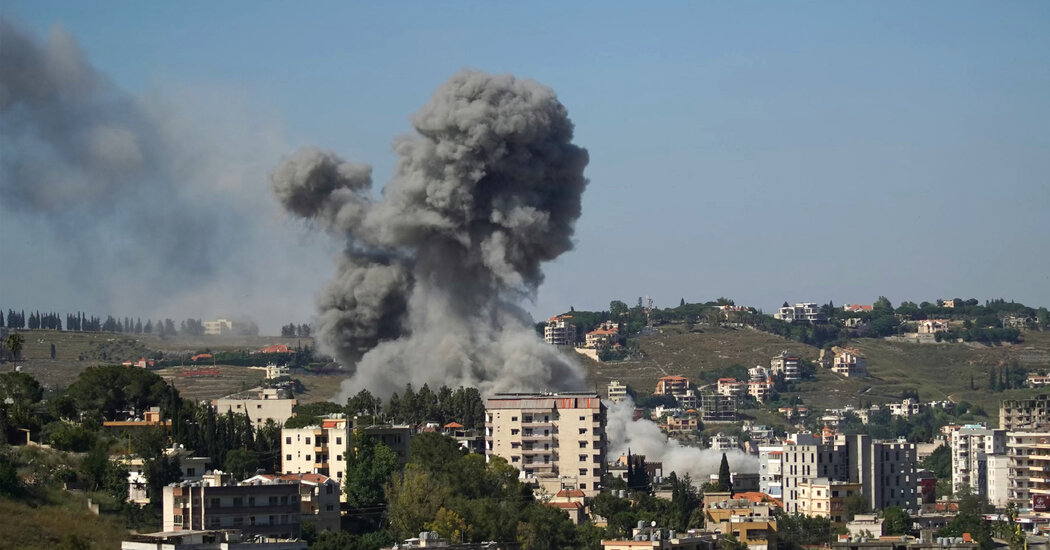
The diplomatic journey from the tentative framework signed by U.S. President Donald Trump and Iranian President Masoud Pezeshkian to a comprehensive, legally binding treaty is already proving to be an exceptionally hazardous minefield, littered with logistical setbacks and sudden outbreaks of violence across the region. A highly anticipated round of direct negotiations scheduled to take place in Switzerland on Friday was abruptly postponed, a sobering reminder of the fragile peace as fresh military strikes between Israel and the Hezbollah militant group in Lebanon threatened to derail the delicate process before it could even begin. Nevertheless, foreign policy experts suggest that if this landmark agreement managed by President Trump holds under pressure, the crippling economic dagger that has long been lodged in Iran’s side—specifically the relentlessly punitive international sanctions targeting its crude oil exports and global banking access—could soon be permanently extracted. This agreement, while highly controversial in both Washington and Tehran, underscores a unique paradox in modern geopolitics, as noted by Esfandyar Batmanghelidj, the chief executive of the London-based Bourse & Bazaar Foundation, who characterized the blueprint as an extraordinarily ambitious and remarkable document that redefines the outer limits of U.S.-Iran diplomacy. While decision-makers in Tehran remain deeply clear-eyed about President Trump’s historically mercurial nature, his unpredictability as a negotiator, and his previous track record of abandoning international treaties, they also recognize that he possesses a rare, highly personalized capacity to execute transformative, norm-shattering diplomacy that traditional, risk-averse American leaders have historically avoided, making this high-stakes gamble both incredibly dangerous and deeply tantalizing for the Iranian leadership.
Untangling the Financial Shackles: Oil, Assets, and the $300 Billion Reconstruction Blueprint
RECOVERY FUNDING FLOWS┌────────────────────────────────────────────────────────┐
│ Frozen Asset Release ($Billions) │
└───────────────────────────┬────────────────────────────┘
│
▼
┌────────────────────────────────────────────────────────┐
│ Regional Development Fund ($300 Billion) │
└───────────────────────────┬────────────────────────────┘
│
▼
┌────────────────────────────────────────────────────────┐
│ Strait of Hormuz Cargo Toll Revenues │
└────────────────────────────────────────────────────────┘
Should the transitional framework successfully mature into a finalized pact, the immediate tangible rewards for the Iranian state would be nothing short of revolutionary, starting with the unfreezing and release of tens of billions of dollars in sovereign Iranian assets currently trapped in foreign bank accounts due to Western banking restrictions. Furthermore, in an unprecedented concession that has startled regional observers, President Trump has agreed to coordinate with a coalition of affluent regional partners to establish a massive $300 billion reconstruction and development fund explicitly designed to rebuild Iran’s shattered domestic economy and modernize its deteriorating public infrastructure. Simultaneously, Iran is poised to leverage its unique position as an energy superpower sitting directly adjacent to the Strait of Hormuz—the single most critical maritime choke point for the global oil trade—by implementing a controversial new revenue stream: the collection of transit fees from the thousands of commercial cargo vessels that navigate these strategically vital waters annually. Such a lucrative development would have been utterly unimaginable prior to the outbreak of the war, yet it has now been officially incorporated into the U.S.-Iranian negotiations, signaling a dramatic shift in how maritime sovereignty and economic compensation are defined in the Persian Gulf, and giving Tehran direct financial leverage over the very arteries of global energy distribution.
Redefining Geopolitics and Trade in the Persian Gulf
                REGIONAL CORRIDOR SHIFT

     [Slower / Sanctioned Route]
     Traditional Black-Market & Smuggling Networks
                   │
                   ▼
     [Accelerated / Legal Route]
     Direct Iran-UAE Trade & Formal Global Banking Access
This shifting diplomatic paradigm is already beginning to redefine broader geopolitical alliances across the Middle East, particularly as the recent war has severely eroded the traditional confidence that Arab Gulf nations historically placed in Washington’s blanket security guarantees. According to analysis by Adnan Mazarei, a former deputy director at the International Monetary Fund, the fallout from the conflict has forced neighboring monarchies to reassess their defense postures and seek pragmatic economic accommodations with Tehran, clearing a pathway toward entirely restructured bilateral relations in the region. Of paramount importance to the revitalization of the Iranian economy is its historically lucrative economic connection with the United Arab Emirates, which has traditionally served as a vital offshore clearinghouse for Iranian capital, private businesses, and re-export trade prior to the enforcement of maximum-pressure sanctions. While Mr. Mazarei points out that it remains highly uncertain to what degree this delicate financial pipeline can be fully resurrected in the post-war era, a scheduled sixty-day transition period designed to foster confidence-building measures represents the first real opportunity in years to provide tangible material relief to Iran’s struggling population, which has borne the brunt of hyperinflation and severe economic isolation.
The Crucible of Domestic Governance: Mismanagement, War Scars, and Structural Hurdles
INTERNAL ECONOMIC DYNAMICS┌──────────────────────────────────────┐ ┌──────────────────────────────────────┐
│ HISTORIC MOTIVORS │ │ STRUCTURAL HURDLES │
├──────────────────────────────────────┤ ├──────────────────────────────────────┤
│ • Sanctions-Driven Diversification │ │ • Ruined Industrial Corridors │
│ • Import Substitution Growth │ │ • Runaway Hyperinflation │
│ • Undervalued Rial Export Edge │ │ • Entrenched Bureaucratic Corruption │
└──────────────────────────────────────┘ └──────────────────────────────────────┘
Despite the palpable excitement surrounding the potential lifting of international trade restrictions, any long-term economic renaissance in Iran will ultimately depend on the domestic governance of the country’s highly complex and deeply conservative leadership. Academic experts, including Kislaya Prasad, the academic director of the Center for Global Business at the University of Maryland, warn that there is a persistent and dangerous risk that Tehran’s hardliners may overplay their diplomatic hand, miscalculating their leverage and inadvertently sabotaging the peace process before the final treaty is ratified. Furthermore, while international sanctions have undoubtedly acted as a major constraint on public prosperity, the country’s deep-seated systemic issues—characterized by routine economic mismanagement, widespread public corruption, and the legacy of heavy-handed political repression—will not magically disappear with the signing of a diplomatic accord. Decades of severe underinvestment, coupled with the widespread physical destruction of crucial power grids, transport networks, and oil refineries during the sixteen weeks of airstrikes, mean that Iran faces an uphill battle to modernize its domestic industries, even as the termination of the U.S. maritime blockade and the resumption of market-rate oil exports promise to eliminate the devastating black-market premiums that citizens have long paid for basic imported goods.
From Isolation to Integration: How Financial Liberation Could Empower 90 Million Citizens
Ultimately, the true catalyst for Iran’s long-term economic reinvention may not lie in the dramatic return of state-controlled oil revenues, but rather in the profound transformation of its domestic private sector through systemic financial unsanctions. Djavad Salehi-Isfahani, an eminent professor of economics at Virginia Tech, emphasizes that while oil sales primarily enrich state coffers and fund government programs, the complete elimination of international banking restrictions is what will directly empower ordinary Iranian citizens, allowing merchants, tech startups, and local manufacturers to trade openly on the global market. Paradoxically, decades of punishing Western isolation forced Iran to diversify its domestic economy and manufacture its own consumer goods, creating a resilient, self-reliant industrial base that, when combined with an undervalued national currency (the rial), makes Iranian exports highly competitive against major manufacturing nations like Bangladesh and China. If the Pezeshkian administration can successfully navigate the remaining diplomatic hurdles over the next two months, this newly liberated market of ninety million educated, consumption-ready citizens could quickly transform from a war-torn battleground into one of the most dynamic, high-growth emerging economies in the developing world.