




A Sanctuary Shattered: The Tragic Loss of Lebanon’s Pioneer of Marine Conservation
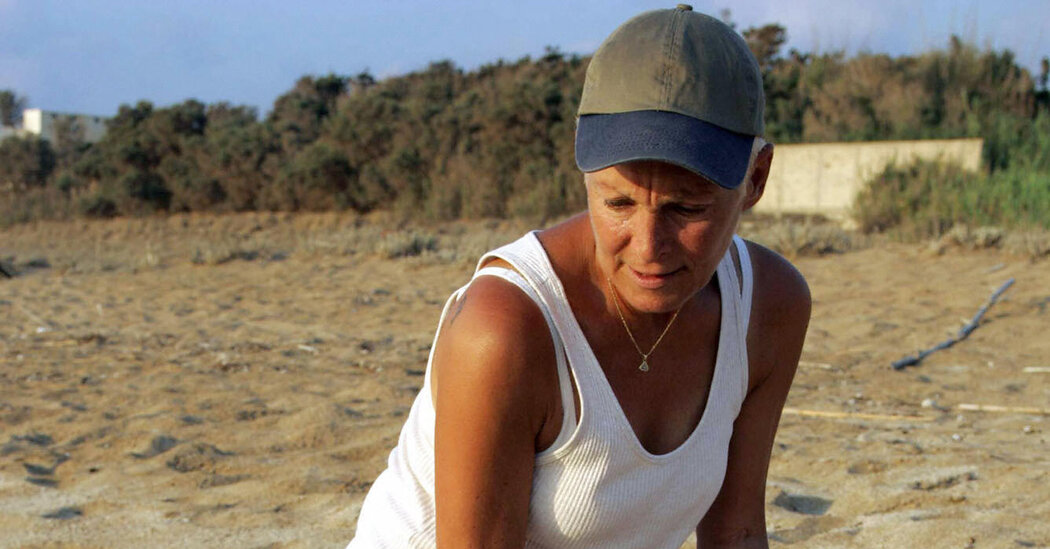
The relentless violence of the southern Lebanon conflict has claimed one of the Mediterranean’s most beloved environmental champions, leaving a profound void in the global conservation community. Mona Khalil, who spent more than twenty-four years shielding endangered sea turtles from the ravages of both human development and armed conflict, passed away at the American University of Beirut Medical Center on Friday. The seventy-six-year-old activist succumbed to severe injuries sustained during an Israeli airstrike on June 4, which struck near her coastal home and sanctuary. For decades, Khalil was a fixture of resilience on the shores of southern Lebanon, running a modest, eco-friendly bed-and-breakfast that doubled as a defensive outpost for the fragile ecosystems of the Levant. Her tragic death comes amid a devastating escalation in hostilities between the Israeli military and Hezbollah, the Iran-backed political and armed group that dominates the region. This escalating border war has already exacted a staggering civilian toll, claiming over four thousand lives, displacing hundreds of thousands of residents, and threatening to shred the delicate regional security framework brokered by international intermediaries. Amidst this geopolitical chaos, Khalil’s passing is a grim reminder that war not only destroys human lives but also ravages the silent, vulnerable natural systems that dedicated conservationists spend their lifetimes trying to heal.
From Lagos to the Levant: The Accidental Awakening of a Guardian
To understand the depth of Mona Khalil’s devotion to the coastal wilderness of Tyre, one must trace the unconventional, winding path that brought her back to her ancestral home. Born to Lebanese parents in the bustling metropolis of Lagos, Nigeria, Khalil spent her early life navigating diverse cultures, eventually relocating to the Netherlands. In Europe, she spent more than a decade working in the delicate art of porcelain restoration—a profession that demanded meticulous patience, a steady hand, and a deep appreciation for preserving fractured beauty. It was not until the late 1990s that she returned to Lebanon to visit her family’s historic estate, situated on the vulnerable coastline between the ancient port city of Tyre and the southern border town of Naqoura. The seaside house, constructed by her grandfather in the 1970s, had sat vacant and neglected for years, having been abandoned during the tumultuous decade of the Lebanese Civil War. At the time of her return, the property sat perilously adjacent to the zone then occupied by Israeli forces, a heavily militarized landscape defined by barbed wire and landmines. Yet, during an evening walk along the wind-swept Hima Qoleileh–Mansouri beach, an accidental encounter transformed the course of her life. Out of the darkness, Khalil heard a soft, rhythmic scratching sound on the sand; turning, she watched in quiet awe as a massive sea turtle pushed its heavy body through the dunes to deposit its eggs. That singular, serendipitous moment revealed a hidden sanctuary that had survived the horrors of war, prompting Khalil to permanently abandon her quiet life in the Netherlands and relocate to Lebanon in 2000 to construct a defense network for these ancient marine travelers.
Building an Ecological Haven Amidst the Ruins of War
Upon her permanent relocation, Khalil quickly realized that the nesting sea turtles of southern Lebanon—specifically the critically endangered green sea turtle (Chelonia mydas) and the threatened loggerhead turtle (Caretta caretta)—faced an array of existential threats that extended far beyond the immediate dangers of military artillery. The picturesque Mediterranean coastline was turning into a battleground of unregulated coastal development, destructive dynamite fishing practices, garbage accumulation, and local poachers who pillaged nests. In response, Khalil established “Orange House,” a sustainable bed-and-breakfast that served as both a sanctuary for eco-conscious travelers and a base of operations for her daily conservation patrols. Alongside her dedicated sister, Amal Khalil, and a rotating team of local and international volunteers, Mona spent her nights monitoring the beaches, marking nesting sites, and installing protective metal grids over the sand to keep stray dogs and crabs from digging up the fragile eggs. At dawn, she could often be seen guiding tiny, newly hatched turtles on their precarious journey across the sand toward the surf, ensuring they reached the relative safety of the Mediterranean Sea. Her tireless efforts did more than just protect the fauna; she worked to bridge the deep-seated political divides of southern Lebanon, engaging local municipalities, fishers, and school children to foster a shared sense of environmental stewardship in a region long defined by division.
The Fragile Coexistence of Heavy Artillery and Delicate Hatchlings
For over twenty years, Khalil’s sanctuary operated in a state of suspended animation, successfully balancing the delicate requirements of marine conservation with the looming threat of nearby military engagements. The Hima Qoleileh–Mansouri beach is situated in one of the most volatile geopolitical corridors in the Middle East, where the echoes of artillery shell fire and the hum of military surveillance drones have long been a constant backdrop to the seasonal nesting cycles. Throughout the July War of 2006, and during subsequent periodic skirmishes along the UN-demarcated Blue Line, Khalil refused to evacuate. She argued that if she left, the nesting beaches would be thoroughly overrun by off-road vehicles, military occupation, and poachers, effectively erasing years of conservation progress. This stubborn determination earned her the respect of international environmental monitoring agencies, who often marvelled at her ability to maintain a pristine marine sanctuary in a de facto war zone. Her nightly patrols went on, fueled by a deep-seated belief that the natural cycles of life and regeneration must continue, even when human societies are bent on mutual destruction. To Khalil, the stubborn survival of the green and loggerhead turtles was a powerful symbol of endurance, proving that nature could reclaim its rightful place if given even the narrowest sliver of protection.
A Community in Mourning: Grief, Anger, and the Voice of a Sister
The news of Khalil’s passing has sent shockwaves through Lebanon’s civil society and the wider international conservation community, igniting a mixture of profound grief and intense anger over the senseless loss of civilian life. Her close friend, environmental journalist Fadia Jomaa, confirmed that Khalil spent her final days fighting for her life in a Beirut hospital bed, surrounded by the clinical hum of life support—a tragic contrast to the natural rhythms of the ocean tides she loved so dearly. Her sister, Amal Khalil, who stood by her side through decades of environmental struggles, remembered Mona as a rare force of nature: “a well-rounded person—extremely tough, extremely kind.” Yet, beneath the solemn tributes, there is a simmering resentment regarding the circumstances of her death. “Inside, I am angry,” Amal admitted, giving voice to a broader sentiment shared by many Lebanese citizens who feel trapped in a perpetual cycle of violence over which they have no control. Environmental organizations across the Mediterranean have released statements mourning the loss of a pioneer whose grassroots efforts demonstrated that individual action could successfully challenge municipal neglect, corporate greed, and the destructive indifference of wartime administrations.
The Unfinished Patrol: Who Will Guard the Sands of Mansouri Now?
With the passing of Mona Khalil, the future of the Mansouri beach sanctuary remains worryingly uncertain, casting a long shadow over the survival prospects of the region’s marine biodiversity. Conservationists fear that without her fierce, uncompromising presence, the progress made over the past quarter-century could rapidly unravel as the ongoing Hezbollah-Israel fighting continues to prevent volunteers from safely accessing the nesting zones. The tragedy of Khalil’s death lies not only in the loss of a courageous human life but in the potential desertion of the very creatures she spent her final decades protecting. Her journey—from restoring broken porcelain in the quiet towns of the Netherlands to mending the torn ecological fabric of her warn-torn homeland—remains a historic example of selflessness. As the summer nesting season approaches its peak, the quiet beaches of southern Lebanon stand empty of her watchful gaze, leaving the sea turtles of Tyre to navigate the darkened, dangerous sands alone. It is now up to the global community and a new generation of local activists to ensure that the sanctuary she built does not wash away with the tide, and that her legacy of peaceful resistance through conservation continues to illuminate one of the world’s most troubled coastlines.