





Christa Pike had spent decades imagining this moment. At fifty years old, after nearly half her life on death row, she told witnesses in the execution chamber that she was at peace and “ready to be free.” “This is a happy day,” she said. The words carried both tragedy and a strange calm. She had been scheduled to die for a murder she committed when she was only eighteen, a brutal crime that ended the life of Colleen Slemmer, a nineteen-year-old classmate with her own future. Earlier on Wednesday, an appeals court had halted the execution, giving her lawyers a brief flicker of hope, but the U.S. Supreme Court overturned that stay and cleared the way. What followed did not look like an orderly execution. The first dose of pentobarbital was administered, and witnesses expected Pike to lose consciousness and fade into death. The state had changed its protocol in 2024 from a three-drug series to a single powerful sedative, which was supposed to be more humane and more reliable. Instead, Pike remained awake, complained of pain in her arm, and stayed visibly alive. After roughly an hour, officials gave her a second lethal dose. Still, her body refused to surrender. Behind a closed curtain, witnesses could hear her snoring, a faint but unmistakable sign of life, until the microphone was cut off. She was rushed to a hospital in critical condition. Her attorney Randy Spivey told reporters, “We don’t have a sense of her prognosis or much update on her health at the moment. But we know she is alive right now.” Robin Maher, executive director of the Death Penalty Information Center, called the event “completely unprecedented”: a condemned person surviving lethal doses of execution drugs. Pike had said she was ready to be free, but her body was not ready to die.
The morning after the failed execution, Pike’s legal team moved quickly, filing an emergency motion with the Tennessee Supreme Court to halt any further attempt to execute her. They argued that the botched procedure had subjected her to “unnecessary agony” and that another attempt would violate her constitutional right against cruel and unusual punishment. The motion was not just about legal precedent; it was about basic decency. Having watched their client leave the execution chamber alive but broken, they could not accept the idea that the state might try to kill her again. Thousands of others had already tried to stop the execution before it happened. A petition to Governor Bill Lee had gathered about 25,000 signatures urging him to commute Pike’s sentence to life in prison. The petition reflected a movement of supporters who believed that the damaged teenager she had been—a young woman diagnosed with bipolar disorder and post-traumatic stress disorder, with a history of severe sexual abuse—was not the same person who now waited to be executed. She had committed a horrifying crime, her advocates acknowledged, but she had also spent decades in prison, accepted responsibility, and tried to understand what she had done. Governor Lee did not commute her sentence before the execution. But after it failed, he halted any further efforts to carry out Pike’s execution, paused the state’s other scheduled execution this year, and ordered a third-party review into what he called a “deeply disturbing” event. For Pike, that review was cold comfort. She lay in a hospital bed, alive but with no clarity about whether the state would one day take her back to death row and try once more. The legal battle had shifted from whether she deserved to die to whether it was even possible to kill her without making the process itself a form of torture.
This was not Tennessee’s first botched execution, and it was not even its first this year. In May, the state had been forced to call off the execution of Tony Carruthers, a man convicted of kidnapping and murdering three people in 1994, because officials could not find a suitable vein for an IV line. No drugs were administered, and Carruthers was returned to death row. Tennessee’s history with lethal injection is marked by failure. In 2022, the state abruptly halted the execution of Oscar Smith after acknowledging that its lethal injection drugs had not been tested properly. Smith, convicted of first-degree murder, was eventually executed by lethal injection last year. In 2024, Tennessee switched from a three-drug series to a single drug, pentobarbital, a powerful sedative intended to render a condemned person unconscious and then stop the heart. Wednesday night demonstrated that even a single-drug protocol can go wrong. Maher noted that several states have had problems finding veins, but no one had previously survived after actually receiving the lethal drugs. “This, unfortunately, is not the first time that Tennessee officials have botched an execution. There is really a quite shameful history in Tennessee of executions going wrong, although Christa Pike really stands out. There’s never been someone who has received lethal doses of execution drugs and survived until last night. This is a completely unprecedented event, even in the context of Tennessee’s other botched executions,” she said. The Death Penalty Information Center has documented sixty-five botched executions across the United States in the modern era. Pike’s case is now part of that grim catalog. Had the execution worked, she would have been the first woman executed in Tennessee in more than two hundred years, and the thirtieth person put to death in the United States this year. Since the Supreme Court resumed the death penalty in 1976, only eighteen women have been executed in the entire country, about one percent of all executions. The statistics underscore how rare it is for a woman to face this fate, and how unusual Pike’s case has always been.
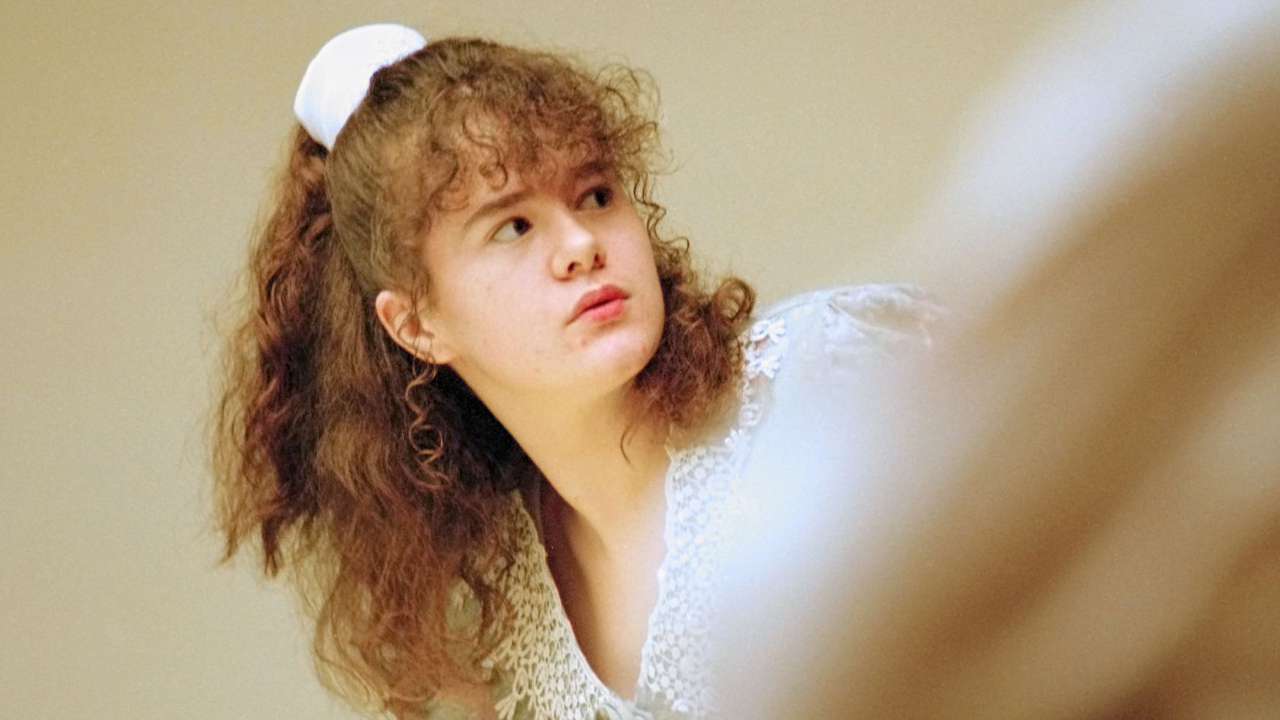
The crime that put Christa Pike on death row happened in 1995, when she was still a teenager. She was eighteen; her boyfriend, Tadaryl Shipp, was seventeen. The victim was nineteen-year-old Colleen Slemmer, a fellow student at a Knoxville high school. Prosecutors said Pike and Shipp attacked Slemmer with a knife, causing injuries so severe that Slemmer’s life ended in violence and terror. Shadolla Peterson, then eighteen, served as a lookout and testified for the state, avoiding the death penalty. Shipp, because he was a minor at the time of the offense, was not eligible for the death penalty and received a life sentence with the possibility of parole. Pike did not dispute that she helped kill Slemmer. But her supporters argued that the full context of her life matters. They described a childhood and young adulthood defined by gender-based violence and abuse. They pointed to a young woman who was diagnosed after the killing with bipolar disorder and post-traumatic stress disorder, who was mentally ill at eighteen and had not fully grasped the gravity of what she had done. Pike herself once said, “I was a mentally ill 18-year-old kid. It took me numerous years to even realize the gravity of what I’d done. It sickens me now to think I had the ability to commit such a crime.” Those words do not erase the reality of Slemmer’s murder. They do not bring back a young woman who had every right to live. But they complicate the story that Pike was simply a remorseless killer. The justice system itself had made a distinction: Shipp, who stood beside her during the attack, was not executed because he was a child. Pike, only one year older, was treated as an adult. Her lawyers argued that executing her now would not restore Slemmer or heal her family. It would only repeat violence with another act of violence, this time authorized by the state. The women who appear on death row are often those whose lives were marked by abuse, trauma, and mental illness. Pike’s case fits a pattern that raises uncomfortable questions about who we choose to kill and why.
The witnesses inside the execution chamber saw something they will not easily forget. At first, Pike appeared almost serene, a woman who had accepted her fate. Then came the pain, the slow recognition that the drugs were not working as intended. She said she was at peace, but her body was not. She complained about the feeling in her arm. She remained conscious after the first dose. When the curtains were closed for the second injection, the people in the witness room could still hear her breathing, a rasping snore that continued for nearly thirty minutes until the microphone was cut off. It was not a death with dignity. It was a medical emergency in front of witnesses, a human body struggling to survive an ordeal designed to end it. Maher, who has studied executions across the country, said the event should force state officials to confront what they had done. She urged Governor Lee to commute Pike’s sentence. “Given the experience that Christa Pike went through last night, after a childhood and young adulthood that was full of gender-based violence and abuse, it would be irresponsible for state officials to put her through another attempt at execution,” she said. “I really hope that in light of what she’s experienced, that the governor will decide to commute her sentence to a life in prison and not put her through another torturous experience in the execution chamber.” Her words framed a profound question: where is the line between punishment and torture? If the state tries to kill someone twice and the person remains alive, does the second attempt cross that line? For Pike, the question was not abstract. She was in critical condition, receiving lifesaving medical care—a phrase that feels almost absurd when the same state had been trying, hours earlier, to stop her heart. The execution chamber had not delivered justice. It had delivered suffering, and it left everyone present with the uncomfortable knowledge that the state’s ultimate weapon could fail, and that a woman would be left to bear the consequences.
Now Christa Pike lies in a hospital, her life in the hands of doctors rather than executioners. The legal fight over her fate is far from over. Her lawyers have asked for her sentence to be commuted to life in prison. They have asked the courts to block any further attempt to execute her. State officials must now decide what to do with a condemned woman who survived their method of execution. They could try again, but the idea of taking a woman from a hospital bed back to an execution chamber seems nearly impossible to reconcile with any notion of decency. They could commute her sentence, as her supporters and twenty-five thousand petition signers have requested. Or they could do nothing, leaving Pike in a strange legal limbo, neither fully condemned nor fully reprieved. The broader picture is sobering. Since the Supreme Court allowed the death penalty to resume in 1976, only eighteen women have been executed in the United States, about one percent of all executions. Pike would have been the nineteenth, and the first woman executed in Tennessee in more than two centuries. That rarity is not an accident; it reflects a deep societal unease about executing women, and perhaps about executing people whose stories are as tangled and tragic as hers. But the criminal justice system does not exist only for those who inspire sympathy. It exists to respond to the worst things human beings do to one another. Colleen Slemmer was a young woman with a life ahead of her, and the people who loved her have every right to expect the state to take her murder seriously. Whether killing Pike will heal that wound is another question. The botched execution did not make the world safer. It made a troubled woman more broken, and it left a community wondering whether the machinery of revenge can ever be truly just. For now, all that is certain is that Christa Pike is still alive. Her body, the same body the state tried to kill, is fighting to stay here. And in that struggle, there is something humbling—a reminder that even at the edge of death, life refuses to be simple.