


In the heart of Washington, D.C.’s Washington Highlands neighborhood, Hendley Elementary School should be a sanctuary of hope—a vibrant, safe space where children learn, laugh, and play, unburdened by the harsh realities of the adult world. Instead, for years, the daily commute for these young students resembled a walk through a chaotic open-air drug market, where the transactions of illicit substances were integrated into the background of their playground. On any given afternoon, as children walked home clutching drawings and schoolwork, they were forced to navigate a gauntlet of drug deals occurring in broad daylight. This tragic juxtaposition of childhood innocence and rampant criminal activity has deeply impacted the local community, raising alarm bells over the psychological toll on children who have been repeatedly exposed to such dangerous behavior. Federal prosecutors have emphasized that this persistent exposure risks normalizing illegal acts for a generation of youth, creating a cycle of trauma and desensitization in a neighborhood that has already suffered far too much from systemic neglect and violence.
The reality of this crisis came to a head when federal authorities announced a sweeping indictment charging fourteen individuals for their roles in a sophisticated, daylight drug trafficking operation that localized itself around the school. Each of the defendants—identified as Tevin Moody, Geraldo Landy, Norman Moore, Lenon Wright, Ali McShay, Lonnell Thomas, Marquette Paris, Jeremiah Prince, Joseph Moore, Raekwon Womak, Kivarrie Greene, De’Lonte Jackson, Derrick Manuel, and Malik Heard—now faces gravity-laden federal charges. They are accused of conspiring to distribute 280 grams or more of cocaine base and 500 grams or more of powder cocaine within a federally protected 1,000-foot zone surrounding Hendley Elementary. The indictment is the culmination of a painstaking two-year investigation, a quiet and meticulous effort by law enforcement to document how these individuals allegedly exploited a vulnerable neighborhood and turned the pathways of school children into profitable transaction points.
As details of the investigation emerged, the sheer scale of the danger surrounding these school grounds became staggeringly clear. Officers executing search warrants across various locations seized an alarming arsenal of 28 firearms, alongside a devastating collection of illicit substances: 2.4 kilograms of crack cocaine, a kilogram of powder cocaine, 29 grams of highly lethal fentanyl, and 12 pounds of marijuana. One of the suspects, Kivarrie Greene, faces additional charges for unlawful possession of firearms, highlighting the dangerous intersection of narcotics trafficking and gun violence. Drug Enforcement Administration (DEA) and FBI officials pointed out that these suspects were not operating in a vacuum; they were members of a violent street gang operating along 4th Street. This criminal network has been identified as a primary driver of violence in the District, linked to armed carjackings, robberies, shootings, and even murder, leaving residents caught in a constant state of fear.
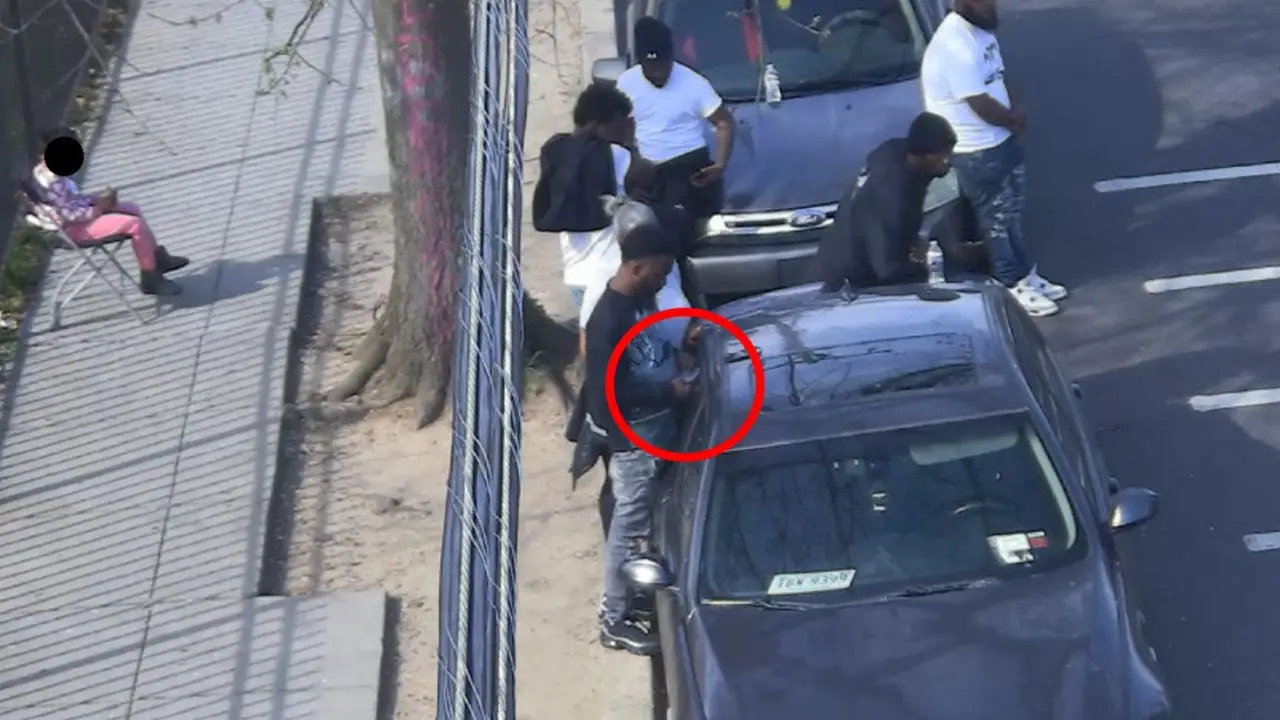
The emotional core of this investigation was laid bare in a shocking piece of evidence described by prosecutors: a surveillance image capturing a woman bringing a five-year-old girl along to a cocaine transaction. In the footage, the woman completes the drug purchase and then, without hesitation, takes the little girl by the hand and walks away, carrying the illicit substance alongside the child. This heartbreaking image serves as a painful visual testament to how deeply the drug trade has eroded basic protective instincts within the community. U.S. Attorney Jeanine Pirro expressed profound outrage over the incident, stating that while selling drugs near a schoolyard is a heinous crime, actively involving a young child in a narcotics transaction represents an entirely different level of moral bankruptcy. The viral nature of this case has shifted the public conversation from a standard law enforcement announcement to a broader, more human discussion about the urgent need to protect the District’s youth from physical and emotional endangerment.
This disturbing revelation highlighted a glaring deficiency in the District’s legal framework, prompting the U.S. Attorney to announce a push for systemic legislative reform. Currently, Washington, D.C., lacks a comprehensive child endangerment law that specifically penalizes adults who actively involve children in dangerous criminal enterprises or drug transactions. Pirro vowed to petition the City Council to quickly draft and pass robust legislation to close this loophole, arguing that the justice system must have the tools to punish those who expose children to such severe risks. This legislative effort aims to establish a clear legal boundary, reinforcing the idea that children must be shielded from the violence and decay of the drug trade. Local advocates hope that this push will spark a wider conversation about resource distribution, structural support, and the implementation of social programs necessary to heal families fractured by addiction and crime.
Ultimately, the dismantling of this violent 4th Street crew, which included more than 165 documented drug buys observed by undercover agents, represents a vital step toward reclaiming the Washington Highlands community. While the arrests of these fourteen individuals offer immediate relief to the parents and educators of Hendley Elementary, the long-term healing of the neighborhood will require sustained attention, community-led programs, and structural investment. By clearing the streets of armed traffickers and exposing the tragic realities faced by local families, the city has been handed an opportunity to rebuild trust and restore safety. It is a stark reminder that behind every criminal indictment are the lives of real people—principally, the innocent children who deserve nothing less than a peaceful, supportive environment where they can learn, play, and grow without the shadow of violence looming over their futures.