





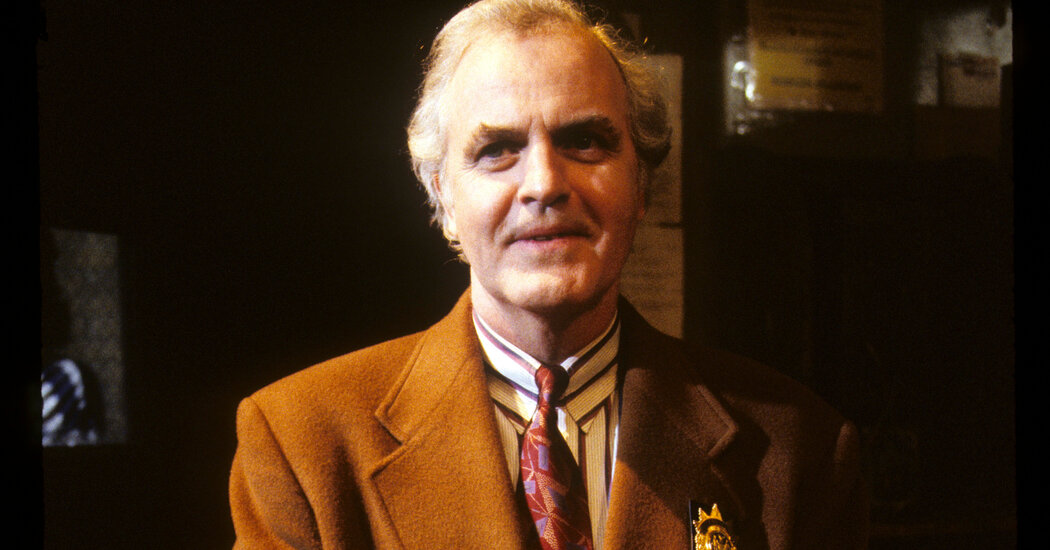
On a deceptive, sun-drenched Wednesday morning in the quiet suburban neighborhood of Tarzana, Los Angeles, a tragic acts-of-violence shattered the peaceful routine of a community and brought a sudden, heartbreaking end to the long life of veteran character actor James Handy. At eighty-one years old, Handy—a man whose face was etched into the memories of millions of moviegoers even if his name didn’t always flash in the brightest marquee lights—was found fatally stabbed in the front yard of his home. The peace of the residential block was ruptured around 9:30 a.m. when emergency dispatchers received a chilling, deeply unsettling 911 call from a caller who uttered the haunting words: “I am the son of man. I just killed the man of sin.” When first responders rushed to the scene, they discovered the beloved actor lying unconscious on the grass, suffering from a severe, catastrophic stab wound to his chest. Despite the frantic efforts of paramedics who transported him to a nearby hospital, Handy was soon after pronounced dead, leaving behind a legacy of cinematic quiet brilliance and a neighborhood consumed by sudden, paralyzing grief.
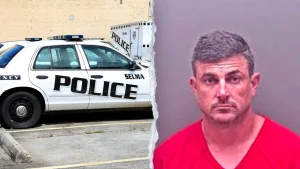
The shock of the violent assault quickly turned to administrative grimness as the Los Angeles Police Department began unraveling the domestic nightmare that had occurred within the residence. Police arrested forty-four-year-old Michael Gledhill, the son of Handy’s long-term girlfriend, who lived at the Tarzana home with his mother and the actor. In a bizarre and tense confrontation, Gledhill actually flagged down arriving officers himself, openly declaring that he was the individual they were searching for. Gledhill was promptly taken into custody and held on a massive two-million-dollar bail, with formal murder charges anticipated from the district attorney’s office during his scheduled initial court appearance. As investigators worked to piece together the events leading up to the stabbing, a darker picture began to emerge from those who lived nearby, revealing a household long shadowed by suspicion and growing psychological instability. Neighbors recalled a palpable tension surrounding Gledhill, whose increasingly erratic and paranoid behavior had previously put local residents on high alert.
To those who lived on his street, James Handy was far more than an accomplished actor with an enviable Hollywood resume; he was half of a warm, vibrant couple who brought a sense of gentle community to their corner of the world. Joheina Quibol, a twenty-three-year-old neighbor, spoke through tears of her profound devastation, describing Handy and his partner as “the nicest couple” who always made an effort to wave, smile, and share kind words during their morning routines. Yet, the warmth that emanated from Handy stood in stark, terrifying contrast to the chilling presence of Gledhill. Quibol recollected how her own father had explicitly warned her to keep a safe distance from the forty-four-year-old, recalling an unsettling incident when Gledhill aggressively knocked on their front door to hostilely complain about the family’s outdoor security cameras. Her father’s warnings that Gledhill was deeply paranoid and highly unpredictable proved to be a tragic premonition, leaving the neighborhood to grapple with the painful reality that such a warm, gentle soul as Handy could be taken so brutally by a danger lurking right next door.
The shocking violence of his death stands in extreme opposition to the dignified, often comforting presence James Handy brought to the silver screen for over forty years, serving as the essential mortar in the brickwork of modern American cinema. As a classic Hollywood character actor, Handy possessed the rare and invaluable gift of immediate authenticity, slipping effortlessly into supporting roles that anchored the reality of high-concept blockbusters. Fans of the gritty, emotionally charged 2017 Marvel film Logan will vividly remember Handy as the compassionate, level-headed urgent-care doctor who tenderly treats the agonizing wounds of Hugh Jackman’s aging Wolverine, providing a vital moment of quiet humanity in an otherwise hyper-violent world. Decades later, he brought that same natural ease to the record-breaking 2022 blockbuster Top Gun: Maverick, playing Jimmy, the reliable bartender at the military beachfront hangout. In a poignant twist of cinematic fate, this final high-profile appearance reunited him on-screen with Tom Cruise, forty-one years after the two shared the frame in the 1981 military school drama Taps, which had served as one of Cruise’s very first major feature films.
Throughout his incredibly diverse and prolific career, Handy’s filmography read like a guided tour through the most nostalgic corners of late-twentieth-century pop culture, showcasing an extraordinary range that kept him constantly in demand. He was the pragmatic, slightly cynical coroner Milton Briggs in the 1990 cult horror-comedy Arachnophobia, bringing a crucial touch of dry wit to a town plagued by deadly spiders, and he later appeared as the exasperated pest control worker in the runaway 1995 hit Jumanji. On the small screen, Handy found one of his most enduring and beloved roles as Arthur Devlin, the authoritative yet complex director of the Central Intelligence Agency in the hit espionage thriller series Alias. His face was a comforting, familiar constant on television screens across the nation, earning him memorable guest-starring spots on prestigious procedural dramas like NCIS: Los Angeles, CSI: NY, and the original Law & Order, proving that no matter the size of the script, he could elevate any scene he touched.
In the wake of his sudden, senseless passing, those who knew James Handy best chose to focus not on the horrific manner of his death, but on the profound decency, warmth, and humility that defined his life both on and off the camera. His longtime talent agent, Pam Ellis-Evenas of the Ellis Talent Group, expressed her deep sorrow in a moving tribute, writing that she could not have possibly asked for a more exceptionally talented, humble, or deeply gracious client and friend. This sentiment echoed the feelings of a mourning film community and a devastated neighborhood block in Tarzana, both of which had lost a man of rare, quiet integrity. James Handy’s life was an inspiring testament to the quiet power of the supporting player—the actor who works tirelessly to make everyone else look better, never demanding the spotlight for himself but earning the deep respect of his peers. As his family, neighbors, and millions of fans try to make sense of a tragedy so devoid of reason, they find solace in the enduring catalog of performances he left behind, ensuring that his gentle spirit and artistic grace will remain forever preserved on celluloid.