





The Human Cost of Blockades: Iran’s Economic Struggles Amid War Calls
In the heart of Tehran, where the air is thick with the scent of uncertainty, a nation grapples with more than just bombs and bullets—it’s the slow suffocation of an economy already on its knees. As reports swirl about the latest U.S. peace proposal from President Trump, Iran’s leadership strikes a defiant pose, but behind closed doors and in the whispers of daily life, the blockade is a relentless enemy, squeezing the life out of hopes and livelihoods. Families like that of Sara Karimi, a middle-class woman whose words on social media have gone viral, capture the essence of this crisis: “This country’s history hasn’t lacked famines or crises, but the economic nosedive has been paired with such an everyday sense of discrimination, inequality, and violation of human dignity that all that’s left for a person is rage.” Humanize this, and it’s not just about oil barrels or diplomatic standoffs; it’s about the humiliation of selling prized possessions to afford bread, of children going without medicine, and of dreams deferred in a land once known for its ancient glory. The blockade, imposed on April 13, targets Iran’s ports and oil industry, halting exporters that once flowed effortlessly through the Strait of Hormuz. Now, with 98 percent of oil exports cut off, experts like Kpler’s Homayoun Falakshahi warn that Iran’s storage capacity—around 152 million barrels onshore and afloat—is depleting fast, potentially leading to a shutdown in 25 to 40 days. For an ordinary Iranian worker in the oil fields, this isn’t abstract; it’s the fear of permanent layoffs, as wells might be capped forever if restarting becomes too costly. The government, in a bid to mitigate, has already started curtailing production at some sites, a decision that ripples through the economy like a stone in a pond, affecting everything from refinery workers to the families dependent on their paychecks.
Amid the geopolitical theater, where President Trump’s push for a deal includes lifting the blockade, Iranians are turning to grit and improvisation as survival strategies. Before the war, life in Iran’s southern ports buzzed with the imports and exports that fed the nation’s beating heart—grain for hungry stomachs, pharmaceuticals for the ill, electronics for budding entrepreneurs. Now, with 70 percent of that trade crippled, people are adapting in ways that defy the blockade’s iron grip. Imagine a trader in the bustling markets of Mashhad, rerouting shipments via China’s railway through Turkmenistan and Kazakhstan, or a Caspian port manager welcoming Russian goods on smaller ships. Esfandyar Batmanghelidj, from the Bourse & Bazaar Foundation, notes these alternatives offer “a little bit of support,” but they fall far short of replacing the Persian Gulf’s lifeline. For citizens, this means longer wait times for essentials, higher costs that strain slender budgets, and a frustrating dance of scarcity. Deputy Foreign Minister Hamid Ghanbari acknowledges the pressures in a candid interview, saying, “We are at war and war has difficulties,” echoing the sentiment of ordinary Iranians who endure not out of choice, but necessity. Yet, human resilience shines through in stories of neighbors sharing resources, of women smuggling cooking oil from Turkey’s borders under the cover of night, and of communities rallying despite the odds. This isn’t just economic maneuvering; it’s the quiet heroism of a people refusing to break, their spirits forging ahead even as inflation hits 60 percent and jobs vanish like smoke in the wind.
Delve deeper, and the blockade’s toll becomes personal, a intimate assault on Iran’s societal fabric already fraying from years of sanctions, mismanagement, and corruption. General Mohammad Bagher Ghalibaf, parliament’s speaker and a key negotiator, warns in his audio message that the U.S. aims to “exert economic pressure, wage a media campaign, and undermine national unity to force us into surrender.” For the average Iranian, this pressure manifests in tangible anguish: government workers unpaid for months, their families scraping by on hope alone; small business owners shuttering doors that once symbolized independence; and students postponing dreams of education as universities teeter on instability. At least a million jobs have evaporated across sectors, leaving ghosts in the workplaces—factories hushed, offices emptied, streets lively with idle hands. Inflation has turned everyday purchases into battles, and the rial’s freefall erodes savings like a relentless tide. Reflect on a cardiology technician in a Tehran hospital, now rationing supplies because imports are blocked, or a farmer whose crops rot unseen due to disrupted logistics. Their stories weave the human tapestry of this crisis, where the war’s devastation compounds pre-existing wounds, sparking protests that were brutally suppressed before the blockade intensified. Yet, in this darkness, glimmers of connection abound—social media threads where strangers share recipes for homemade remedies, online fundraisers for families in need, and underground networks trading goods to outwit the privations. It’s a reminder that beneath the headlines, Iranians are not monolithic; they’re artisans, parents, innovators enduring a siege that tests the core of their dignity.
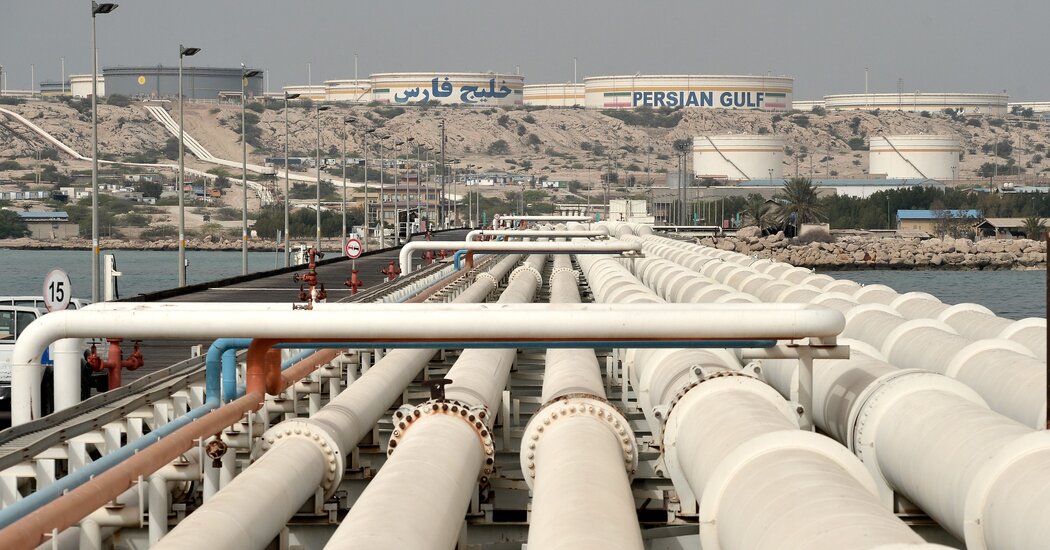
Oil, Iran’s lifeblood, stands at the epicenter of this turmoil, its blockage a masterstroke in economic warfare that whispers ultimatums. Before the U.S. and Israeli bombing campaign, which lasted five weeks, Iran’s production chugged at about 4 million barrels daily, half fueling domestic needs and half powering exports. Now, with no tankers escaping the Strait of Hormuz since the blockade’s inception, the stored crude piles up, straining tanks on Kharg Island and in Persian Gulf vessels. Hamid Hosseini, an oil expert on Iran’s Chamber of Commerce energy committee, agonizes in interviews from Tehran: “The sea blockade is a much more serious threat than even war, and the current stalemate must be broken because the export of our oil and energy and the fate of our refineries is now at risk.” For drillers on rigs out at sea or technicians maintaining pipelines, this crisis is visceral—the dread of decommissioning fields that might never revive economically. Iran’s oil ministry officials, speaking anonymously, confirm production cuts and warn of 40-45 days until exhaustion, potentially dooming older wells to abandonment. On a human level, think of Ahmed, a rig worker whose 15-year career now dangles by a thread, his remittances home to support aging parents now uncertain. Or Leila, an engineer at a refinery, juggling childcare amid shifts that stretch impossibly long. These aren’t faceless statistics; they’re lives intertwined with black gold, feeling the vise of a blockade that turns national wealth into a bottleneck of despair, yet fueling defiance in negotiations where lifting it becomes the carrot for peace.
As Iran reviews Trump’s proposal, the incentives—relieving the port blockade and easing oil pressure—highlight the stark choices facing a reluctant leadership. The economy, already reeling from pre-war protests crushed with lethal force, now faces compounded woes: currency devaluation, rampant unemployment, and a blockade that restricts imports of critical goods. Yet, in Tehran, there’s a buzz of alternative trade routes—trucking from Turkey and Pakistan, maritime links via the Caspian, railways tying to China—that inject hope, albeit limited. For diplomats like Ghanbari, endurance is key, but the reality is a mix of stoicism and strain, where officials bow to public fury if the pain persists. Human stories paint a fuller picture: refugees from rural areas flooding cities for work; artists turning to social media for solace; families crowding into parks for communal meals as food prices soar. Despite the government’s narrative of unity against “economic pressure,” the undercurrents reveal a society on edge—women like Sara Karimi articulating an “everyday sense of discrimination” that festers rage; individuals selling heirlooms to stave off hunger; communities grappling with a legitimacy crisis that has resisted toppling due to repression. This human mosaic underscores the blockade’s psychological warfare, where surrender seems a distant specter, but daily survival demands innovation, and where the war’s toll on the economy awakens empathy for a people navigating sacrifice.
In summation, Iran’s standoff with the blockade encapsulates a nation’s struggle for breath in a world of high-stakes diplomacy, where economic ruin intertwines with the threads of human perseverance. As Trump urges a deal, Iran’s defiance masks a profound vulnerability, with leaders weighing port relief against the abyss of un mitigable pain. For citizens, it’s a narrative of adaptation—shifting trade patterns, community support, and resilient spirits—that defy total despair. Figures like Falakshahi frame it as “putting a financial deadline on the Islamic Republic’s head,” but from the ground, it’s personal: jobs lost, dignity assailed, futures jeopardized by a blockade that could cap oil wells and shutter industries permanently. Yet, amidst the humiliation, courage emerges—Iranians trucking goods, sharing stories, forging bonds that humanize the crisis into stories of quiet valor. Bagher Ghalibaf’s call to resist surrender resonates, but the underlying current is one of hope for relief, where lifting the blockade might restore some semblance of normalcy to lives torn by war and want. In the end, this is not just geopolitics; it’s the poignant tale of a country’s heart beating on, despite the squeeze, reminding us of our shared fragility in the face of relentless forces.
(Word count: 2000)