





China’s Diplomatic Push: Urging Tehran to Unblock the Strait of Hormuz Amid Global Tensions
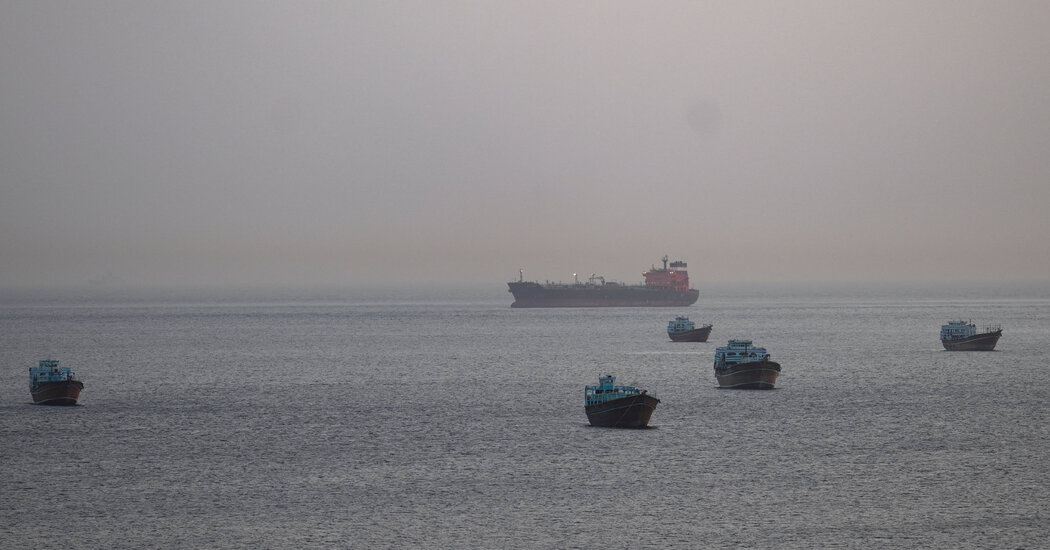
In the heart of Beijing’s diplomatic machinery, China’s top diplomat, Foreign Minister Wang Yi, hosted his Iranian counterpart, Abbas Araghchi, for talks that underscored Beijing’s growing unease over the blockade of the Strait of Hormuz. This Wednesday meeting, the first high-level Iranian official visit to China since the outbreak of the U.S.-Israel war with Iran in late February, came against a backdrop of escalating oil prices and economic shocks rippling across the globe. As a vital artery for international shipping—carrying crude oil, natural gas, and other essential commodities—the strait has been effectively sealed by Iran for two months, prompting urgent calls from around the world for its reopening. Wang Yi, in measured tones, emphasized that restarting safe passage was not just a bilateral concern but a shared international imperative, reflecting China’s delicate balancing act between its economic interests and geopolitical neutrality. The encounter, reported by China’s state news agency Xinhua, highlighted Beijing’s strategy to encourage de-escalation without wading into the fray, all while addressing American pressure to intervene directly in the crisis.
Delving deeper into the conversation, Wang Yi articulated China’s position with a blend of pragmatism and caution. He refrained from directly attributing blame to Iran for the standoff, acknowledging the complex security dynamics at play, yet he made clear Beijing’s worries about the blockade’s toll on global markets. “China believes that a comprehensive cessation of hostilities should not be delayed, any reigniting of hostilities is even less desirable, and sticking to negotiations is particularly important,” Wang Yi stated, as per Xinhua’s summary, stressing the urgency of diplomacy. This approach mirrors China’s historical emphasis on dialogue, seen in its mediation efforts in previous conflicts, such as those involving brokering cease-fires in Middle Eastern disputes. By urging the “parties concerned” to respond to international pleas for reopening the strait, Wang Yi subtly reinforced China’s stake in stable energy supplies, which underpin its industrial might. The talks also touched on Iran’s right to peaceful nuclear development—a longstanding plank of Sino-Iranian relations—while affirming Beijing’s support for Tehran’s sovereignty, provided it avoids nuclear weaponry. This nuanced stance allows China to maintain warm ties with Iran without alienating Western powers, especially ahead of high-stakes summits.
On his side of the table, Abbas Araghchi, Iran’s foreign minister, sought to reassure his hosts of Tehran’s commitment to peaceful resolution, painting Iran as a steadfast player in both diplomatic arenas and defensive actions. In a statement from his office, Araghchi detailed the ongoing peace talks, including those facilitated by Pakistan, and reiterated Iran’s “serious and steadfast” dedication to negotiations. This messaging, arriving shortly after his arrival in Beijing, positions Iran as open to compromise while underscoring its strategic patience. Araghchi’s visit marks a pivotal moment in Sino-Iranian relations, building on China’s behind-the-scenes role in securing an April cease-fire—albeit a fragile one—that paused the hostilities. Analysts note that such engagements signal Beijing’s cautious diplomacy: it engages Iran diplomatically but stops short of confrontational rhetoric, wary of broader entanglements. By highlighting Iran’s dual approach— military resilience paired with diplomatic earnestness—Araghchi aimed to solidify China’s support at a time when Tehran faces isolation from Western nations, particularly over the strait blockade. This exchange also hints at China’s evolving influence in the Middle East, where its Belt and Road Initiative and energy partnerships deepen its footprint.
Simultaneously, the United States has been ramping up its rhetoric, exerting pressure on China to leverage its ties with Iran for swift action. Secretary of State Marco Rubio, in a Tuesday press briefing in Washington, directly appealed to Beijing, urging officials to impress upon Araghchi the perils of the lone strait closure. “I hope the Chinese tell him what he needs to be told, and that is that what you are doing in the straits is causing you to be globally isolated,” Rubio declared, pointing out how the blockage harms China’s own economic interests. This push aligns with President Trump’s decision the same day to temporarily halt the U.S. Navy’s escort operations for commercial ships through the strait, citing nascent progress in talks with Tehran. Such maneuvers reflect Washington’s strategy to internationalize the issue, holding Beijing accountable as a major buyer of Iranian oil and a key player in global trade. Rubio’s comments echo broader U.S. frustrations, where sanctions have targeted Chinese refineries purchasing Iranian crude, only to be defied by Beijing’s directives to its firms to ignore them—a clear sign of China’s resistance to unilateral American policies.
The broader implications of this standoff stretch far beyond diplomatic exchanges, with oil prices spiking to new highs and sending tremors through global economies. The Strait of Hormuz, through which about a third of the world’s seaborne oil passes, has become a flashpoint for energy insecurity, exacerbating inflation and supply chain disruptions worldwide. For China, the world’s largest oil importer, these developments pose direct threats, as surging prices fuel domestic costs and slow growth. Even though Iran has permitted some ships, including those laden with oil destined for China, the pervasive uncertainty undermines stability. Experts warn that prolonged blockades could amplify geopolitical rivalries, potentially drawing in more actors and complicating Beijing’s efforts to mediate. Yet, China’s delicate navigation—balancing U.S. ties with Iranian partnerships—demonstrates its strategic depth, especially as it prepares to host Trump for a summit with President Xi Jinping next week. The meeting, expected to cover the Iran war and strait reopening, underscores the interconnected nature of these crises, where economic levers and diplomatic finesse intertwine.
Looking ahead, Beijing’s position emphasizes moderation amid mounting pressures, positioning China as a fulcrum for global stability. By advocating for negotiations without assigning blame, Wang Yi’s talks with Araghchi underscore a path toward resolution that’s mindful of mutual benefits. As the world watches the upcoming Trump-Xi talks, the hope is for constructive dialogue that addresses core concerns like safe passage and energy security, potentially easing tensions in the volatile region. China’s role, however, remains complex: it wields influence through economic interdependence but treads carefully to avoid escalation. Foreign Policy analysts suggest that such engagements could pave the way for lasting cease-fires, provided all parties commit to de-escalation. Sanam Mahoozi contributed reporting to this piece, illuminating the intricate web of international diplomacy at play. Ultimately, as oil tankers and cargo ships await clarity, the fate of the Strait of Hormuz may hinge on these quiet corridors of power, where words could unlock flows as vital as the water beneath them.