





The Precipice of War: Inside the Tense Hours of the Iran-Israel Strike and the Fragile Quest for Regional Calm
The Sky Over the Levant: A Night of Fire Followed by a Sudden, Tense Silence
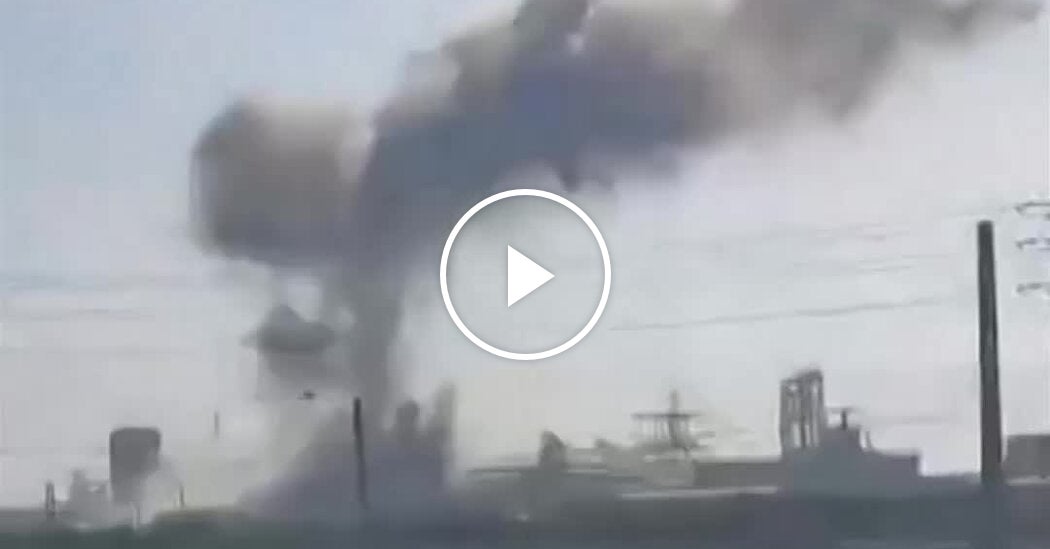
The night sky over the Middle East once again dissolved into a chaotic canvas of interceptor paths, brilliant explosions, and the wailing of air raid sirens on June 8, 2026, as Iran and Israel engaged in direct, state-on-state military hostilities. The exchange, representing a dangerous flashpoint in an already destabilized region, marked the first time the two regional adversaries had directly fired upon one another since their highly structured, tit-for-tat engagement in April. For hours, the world held its breath as ballistic missiles launched from deep within Iranian territory streaked toward Israeli population centers, met in mid-air by the thunderous response of Israel’s multi-tiered Arrow, David’s Sling, and Iron Dome defense systems. Yet, almost as quickly as the skies erupted, the state-directed rhetoric from both Tehran and Jerusalem shifted from promises of total annihilation to measured, albeit reluctant, signals of de-escalation. International correspondents, including veteran war reporters on the ground, observed that while the physical destruction of the strikes was still being calculated, both leaderships quickly utilized backchannel diplomacy to signal that their immediate objectives had been met and that neither side was looking to initiate a full-scale regional war. This sudden pivot from the precipice of a wider conflict highlights the highly choreographed nature of modern deterrence, where military strikes are used not as precursors to invasion, but as high-stakes diplomatic communication written in fire and steel.
              ┌────────────────────────────────────────┐
              │      Direct Military Escalation        │
              │   - Iran delivers ballistic strikes    │
              │   - Israel conducts localized raids    │
              └───────────────────┬────────────────────┘
                                  │
                                  ▼
              ┌────────────────────────────────────────┐
              │    Strategic Proxy Engagements        │
              │   - Hezbollah exchanges in Lebanon     │
              │   - Capture of Beaufort Castle         │
              └───────────────────┬────────────────────┘
                                  │
                                  ▼
              ┌────────────────────────────────────────┐
              │    Backchannel & Global Diplomacy      │
              │   - U.S. works on peace framework      │
              │   - De-escalation signals sent         │
              └────────────────────────────────────────┘
Testing the Red Lines: How the Dynamics of Retaliation Have Shifted Since April
To understand the gravity of this latest confrontation, one must examine the rapid erosion of the long-standing shadow war that once defined the Iran-Israel rivalry. For decades, the conflict was waged through asymmetrical tactics: cyber warfare, covert assassinations, sabotage of nuclear facilities, and the deployment of proxy networks across Arab states. However, the direct exchange in April shattered those legacy boundaries, setting a new and highly volatile precedent where direct homeland strikes are now considered acceptable retaliatory measures. This June exchange proved that neither nation is willing to yield its deterrence posture; whenever a red line is perceived to be crossed, direct strikes are now the standard operating procedure. The military execution on June 8 showed evolutionary changes from the April encounter: the weaponry used was faster, the trajectory coordination was more complex, and the defensive network was pushed to its limits. By bypassing the buffer states of Iraq and Jordan, these ballistic trajectories have fundamentally altered the defense protocols of the entire region. Even with these advancements, the political calculations in both capitals remain surprisingly cautious. Each state recognizes that a true, sustained conflict would exhaust air defense stockpiles, devastate domestic infrastructure, and pull global superpowers into a destructive war. Consequently, the quick transition to de-escalation suggests that both capitals are actively seeking a stable, albeit dangerous, “new normal” of controlled direct confrontations.
The Northern Gambit: Hezbollah’s Shadow and the Battle for Beaufort Castle
While the direct trajectories between Iran and Israel captured global headlines, the true geopolitical fault line remained centered on the rocky, blood-slicked hills of southern Lebanon. Here, the conflict is not a theoretical duel of missiles and interceptors, but a grinding battle of territory, defense structures, and civilian displacement. Despite a series of attempts to broker and sustain a cease-fire between Israel and Lebanon, the borderlands have remained a theater of constant violence, with Israel trading heavy strikes with Hezbollah forces. The dynamic peaked with the high-profile military operation in which Israeli forces advanced deep into Lebanese territory to capture the historic Beaufort Castle. Standing atop a rocky crag overlooking the Litani River, the medieval fortress has served for decades as a powerful tactical lookout point and a symbolic stronghold for various militant groups. By occupying this high ground, Israel sought to sever Hezbollah’s short-range rocket capabilities and push their fighter units north of the buffer zone. Yet, as military historians know well, capturing Beaufort Castle is historically far less difficult than holding it. The capture of this strategic site threatens to permanently undermine the fragile, newly signed Israel-Lebanon cease-fire agreements, as Hezbollah views the presence of Israeli troops on the heights as an unacceptable breach of national sovereignty. This development leaves the Lebanese government in a difficult position, caught between its international commitments to peace and the reality of a domestic armed proxy that answers directly to Tehran.
   Strategic High Ground: Beaufort Castle
   ┌──────────────────────────────────────────────────────────┐
   │ - Commands sweeping views of Southern Lebanon & Galilee  │
   │ - Key tactical station for artillery and early warning   │
   │ - Longstanding cultural symbol of regional resistance    │
   └──────────────────────────────────────────────────────────┘
Backchannels and Brinkmanship: Inside the Delicate Blueprint of a U.S.-Iran Diplomatic Settlement
Behind the military actions lies a complex, highly confidential diplomatic effort spearheaded by the United States and various European and Arab intermediaries. In Washington, foreign policy officials are working to prevent a total breakdown of regional order while simultaneously keeping the door open for a broader diplomatic breakthrough. Speaking on the sidelines of the crisis, key U.S. representatives, including high-profile diplomatic figures, emphasized that while a comprehensive U.S.-Iran peace deal remains a distant goal, it is still very much a “work in progress.” These negotiations are not happening in a vacuum; they are directly influenced by the tactical realities on the ground in Lebanon, Syria, and Gaza. Washington’s diplomatic strategy is highly complex: it must reassure its closest regional ally, Israel, of its ironclad security guarantees while simultaneously offering Tehran enough economic and diplomatic off-ramps to discourage further escalatory strikes. This balancing act is made even more difficult by political pressures within each nation, where hardliners view any form of compromise as a sign of weakness. Nevertheless, diplomat-led discussions continue through backchannels in cities like Doha and Muscat, focusing on nuclear containment, sanctions relief, maritime security in the Persian Gulf, and the status of regional militias. The fact that these channels remained functional even as missiles were in transit demonstrates that both Washington and Tehran still see diplomacy as their best tool for avoiding a costly direct conflict.
                 ┌───────────────────────────┐
                 │   High-Stakes Diplomacy   │
                 └─────────────┬─────────────┘
                               │
        ┌──────────────────────┴──────────────────────┐
        ▼                                             ▼
┌───────────────────────────┐ ┌───────────────────────────┐
│ Deterrence Goals │ │ Diplomatic Off-Ramps │
│ – Ironclad defense aid │ │ – Structured oil waivers │
│ – Joint intelligence ops │ │ – Frozen asset releases │
│ – Proxy interdiction │ │ – Track-II backchannels │
└───────────────────────────┘ └───────────────────────────┘
Fractured Landscapes: The Deepening Human and Economic Consequences of Perpetual Conflict
Beyond the high-level strategies of generals and diplomats, the ongoing state of conflict continues to exact a heavy toll on the civilian populations and economies of the region. In northern Israel and southern Lebanon, entire towns have become ghost cities, vacated by hundreds of thousands of residents who have spent months living in temporary shelters, unsure if their homes will survive the next rocket strike. In Lebanon, a nation already suffering from a long-term banking crisis, crumbling public services, and political gridlock, the threat of an expanded war has brought economic planning to a virtual standstill. Tourism has evaporated, foreign investment is non-existent, and the agrarian flatlands of the south have been damaged by munitions, destroying generations of olive groves and agricultural livelihoods. In Iran, the economic strain is felt through high inflation, a weakened currency, and the persistent fear of strikes on key infrastructure, which has kept the local population in a state of constant survival mode. Globally, the conflict continues to worry international energy markets; any increase in fighting raises fears of a blockade of the Strait of Hormuz, which would disrupt global supply chains and trigger inflation in Western economies. This economic interdependence means that a small tactical error in the hills of Galilee or the deserts of central Iran can quickly lead to painful financial impacts for households across Europe, Asia, and North America.
The Mirage of Peace: Can the Middle East Break Free from the Cycle of Mutual Assured Retaliation?
As the smoke clears from this latest direct military exchange, the fundamental question remains: can the Middle East break free from this cycle of violence, or has it entered an era of perpetual, low-intensity war? The current de-escalation, while a welcome relief to a worried international community, acts more like a temporary pause than a genuine foundation for peace. The structural drivers of the conflict—the ideological divide between Tehran and Jerusalem, the unresolved borders of Lebanon, and the lack of a comprehensive solution to the Palestinian issue—remain as deep as ever. Furthermore, the reliance on high-tech defensive systems like the Iron Dome may give policymakers a false sense of security, encouraging them to take dangerous risks under the assumption that defensive shields will always intercept incoming threats. True stability will require more than just backchannel agreements to stop firing missiles; it demands a fundamental shift in how both nations assess their security requirements. Until a sustainable diplomatic framework is developed that addresses the core security concerns of Israel, the sovereignty of Lebanon, and the international integration of Iran, any quiet achieved will remain fragile. For now, the region waits in a state of uneasy suspense, knowing that while the missiles have stopped flying for today, the launch pads remain ready, and the path back to war is only a single order away.