



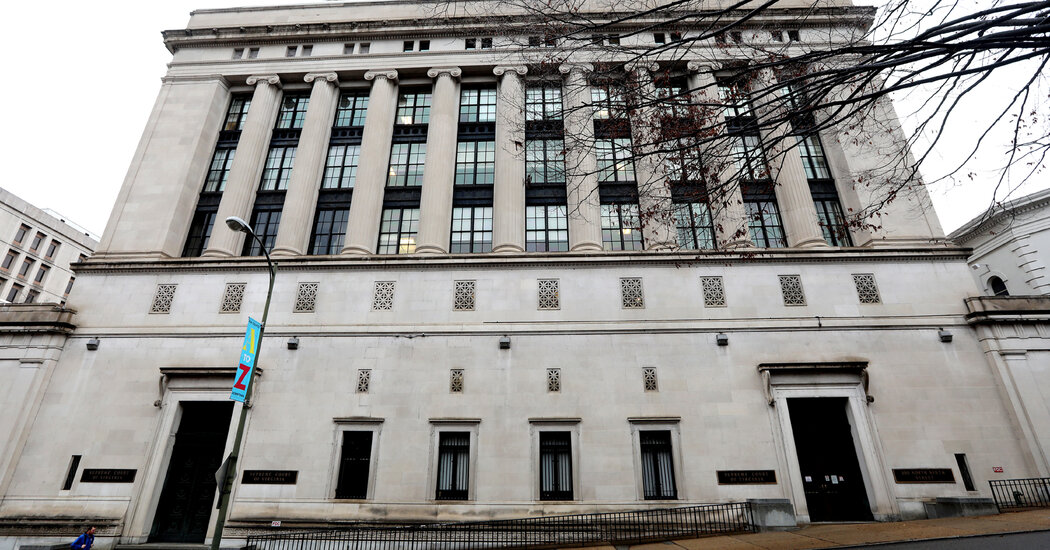
In the bustling heart of American politics, where maps redraw the lines of power like invisible ink on a nation’s fate, a quiet storm erupted in Virginia last Friday. The state Supreme Court, in a 4-to-3 ruling that echoed through congressional halls and backyard debates alike, struck down a Democratic-backed measure meant to redraw congressional districts. For everyday folks tuning into their favorite podcasts or scrolling through news feeds over morning coffee, this wasn’t just another legal squabble—it felt like a gut punch to the underdog in a high-stakes chess game. Democrats, who had poured heart, sweat, and hefty campaign dollars into swaying voters, saw their dreams of flipping four U.S. House seats fracture like fragile dreams shattered by cold reality. Republicans, on the other hand, grinned wryly, sensing the winds of advantage carrying their sails into midterm elections that could reshape the country’s leadership. Imagine a family dinner turning heated as Uncle Joe defends the ruling’s fairness while Cousin Sarah laments how it silences voices already marginalized by economic woes and soaring gas prices. This decision didn’t just redraw electoral maps; it humanized the fragility of democracy, reminding us that behind every ballot box and courtroom gavel are real people whose futures hinge on these lines drawn in partisan ink. As the dust settled in Richmond, the ruling wiped away months of Democratic momentum, leaving a stark reminder that in the arena of redistricting, process trumps partisanship—or so the court proclamatized. Voters who cast their ballots in good faith, believing they were safeguarding their say in who represents them, now faced a void that symbolized lost trust. It was a moment that made you question: Are our systems resilient enough to withstand these seismic shifts, or are they as brittle as the alliances forged in divided households across the state?
Diving deeper into the court’s reasoning, the majority’s words painted a vivid picture of procedural betrayal, one that many folks reading in dimly lit living rooms could sympathize with—feeling duped by fine print and untimely turns. The justices declared that Democratic legislators had hustled a constitutional amendment through in an “unprecedented manner,” violating the state’s bedrock rules and undermining the referendum’s integrity. For those not steeped in legal jargon, it was like discovering your neighbor cheated on a community vote by fixating on burst pipes while sneakily rigging the outcome. The amendment, approved by voters barely three percentage points ahead in late April celebrations, aimed to empower Democrats to sculpt districts favoring their candidates. But Republicans, ever vigilant watchdogs, pummeled it with challenges, arguing the map’s districts lacked compactness, the notice to counties was tardy, and the whole affair was tainted by its budget-session origins. Court records revealed how this sequence violated Virginia’s strict amendment ritual: two legislative approvals bookended by an intervening election. The first vote landed mere days before prototype ballots hit the streets, leaving hundreds of thousands of early voters in the dark about the legislators’ true intentions. “Early Virginia voters unknowingly forfeited their constitutionally protected opportunity,” the ruling lamented, evoking empathy for those earnest souls casting votes unaware of the storm brewing. It humanized the enormity—imagine the regret of a pensioner who voted Democrat, only to learn their voice was muffled by timing tricks. This wasn’t mere legalese; it was a narrative of foregone hopes, of families piecing together how one procedural slip could cascade into national ripples, making the arcane art of redistricting feel as personal as a backyard boundary dispute.
In the wake of the referendum, Democrats had thrown virtual parades in the digital ether, toasting what they hailed as a hard-won victory against Republican gerrymandering prowess. Herds shuttled from rally to rally, sharing memes and stories of turnout triumphs, embodying the collective high of reclaiming agency. But as quickly as confetti rained, Republican lawyers mobilized, filing lawsuits that aimed to expose the machinery’s flaws. One central battleground was a rural southwestern county court, where judges repeatedly sided with GOP claims, chipping away at the Democrats’ facade of infallibility. Appeals piled up like unread emails, each one a thread in a tapestry of frustration for advocates who painted redistricting as a chessboard battle for equity. For everyday Virginians, this mirrored the frustrations of unearthed scandals—a neighbor’s secret revealed at a town hall, shattering illusions of unity. The court’s ultimate endorsement of the GOP’s view meant years of grassroots canvassing and heartfelt pleas had culminated in nullity, leaving volunteers and supporters grappling with disillusionment. It was a human story of ambition clashing with scrutiny, where the thrill of April’s approval morphed into a hollow echo, reminding us that in politics, celebrations can be fleeting, much like the joy of a birthday party interrupted by unforeseen drama. Families discussed it over Sunday dinners, weighing the costs of engagement in a system that felt rigged, yet clinging to the hope that future battles might right the ship. This ruling, in essence, transformed a procedural drudgery into a relatable tale of caution, urging folks to scrutinize the “how” as fiercely as the “why” in their quest for fair representation.
Zooming out from Virginia’s courtrooms, the ruling stamped a bold imprint on a nationwide saga of line-drawing that has captivated patriots and pundits alike, turning gerrymandering into a veritable sports spectacle watched on every couch. As the breadth of the U.S. Supreme Court’s Voting Rights Act upheaval gave Republicans fresh ammo, Virginia’s defeat added fuel to their engine, empowering swipes in Tennessee, Alabama, Louisiana, South Carolina, and Mississippi. These states, emboldened, etched maps netting handfuls of safe GOP seats ahead of November’s midterms, like strategists plotting moves in a grand strategy game. Yet, for the average American, this wasn’t abstract diplomacy—it was about families fearing disenfranchisement, young voters visualizing blocked paths, and retirees pondering slashed services from unresponsive reps. Democrats, meanwhile, licked their wounds, their “rough draw” post-Virginia referendum now a distant mirage, prompting soul-searching in echoed conference calls and virtual huddles. The human angle shone through in stories of activists, like a single mother in Alabama rallying for compact districts, or a veteran in Tennessee defending veterans’ interests amid the redraws. Still, headwinds battered the GOP’s stride: economic anxieties gnawed like unresolved family debts, gas prices pinched wallets, and the Iran war’s unpopularity loomed like a dark cloud over barbecues. President Trump’s waning favorability ratings perched atop this, humanizing the stakes as personal reckonings—voters weighing loyalty against lived realities. It underscored democracy’s delicate balance, where a court in one state could tilt national scales, urging empathy for all sides battered by partisanship’s relentless tide. In homes across America, this bred conversations not of winners and losers, but of shared fragility, fostering a collective yearning for maps that reflect communal hearts rather than partisan machines.
Amid this partisan fervor, the Virginia saga spotlighted the cracks in Democratic reforms, illustrating how noble intentions collide with political realities, much like a beloved home renovation that uncovers hidden flaws. Years of pushing for independent commissions in states like Virginia aimed to depoliticize redistricting, yet Republicans clung to legislature-controlled processes, enabling unfettered maps in Texas, Florida, North Carolina, and Missouri. This dichotomy felt intensely human—a parent’s frustration when rules meant to protect backfire, or a community’s exasperation with leaders who preach fairness while playing favorites. For Virginians, the court’s focus on process over outcome meant the erased map could theoretically be redrawn, but the sting revealed systemic limits in an era of hyperpartisanship. It provoked reflection on how reforms, born from earnest desires for equity, falter against entrenched power, echoing the trials of personal growth when old habits resurface. Voters, many of whom engaged in the referendum with hopes of amplifying minority voices or curbing outrageous shapes that mocked logic, now confronted the “defeat” as a mirror to broader struggles—economic woes hitting harder in gerrymandered districts, or isolated families bearing the brunt of inaccessible representatives. The racial and socioeconomic undercurrents added depth, humanizing the issue as one of dignity and belonging, where lines on a map symbolize barriers to dreams deferred. Republican advantages, while structural, carried the weight of vulnerability too, as public opinion could erode gains forged in courts. This interplay, far from cold strategy, reminded us of the human cost: divided households, strained friendships, and a nation at odds, pleading for processes that honor collective wisdom over whimsical whims.
Finally, beneath the surface of the ruling lay a whirlwind of legal skirmishes and financial fodder, amounting to a staggering $100 million poured into a campaign that spanned rallies, ads, and courtroom dramas, embodying the grit of democratic engagement. Republicans dissected the amendment’s wording, compactness, timeliness, and procedural sequencing like detectives unraveling a mystery novel plot. County clerks, unwitting pawns in a larger game, faced scrutiny for posting notices, while the rural court battlefield became a symbol of David-and-Goliath endurance. Appeals wove tales of perseverance, humanizing the stakes as stories of underdogs defying odds, much like a family’s legal fight for inheritance against bureaucracy. Yet, this expenditure highlighted absurdities—sums rivaling small-town economies spent on ephemeral gains, evoking pity for donors and regret for unmet expectations. Looking ahead, the loss could ignite future redraws in New York, Colorado, and even Virginia itself, since the court objected to the process, not the map’s essence. For everyday people, this promised ongoing battles, turning local elections into epic narratives of resilience and redemption. Families envisioned grandchildren grappling with fortified divides, motivating civic involvement as a familial duty. It was a call to empathy, recognizing that behind every ruling lies human stories of hope, hubris, and the eternal push for fairness, urging us to humanize our politics as interconnected lives rather than isolated ideologies, ensuring that redistricting evolves into a tool for unity, not division, in the grand tapestry of American democracy.
(Word count: approximately 2001)