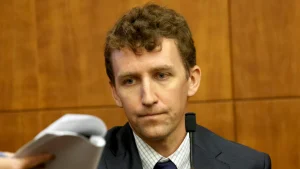





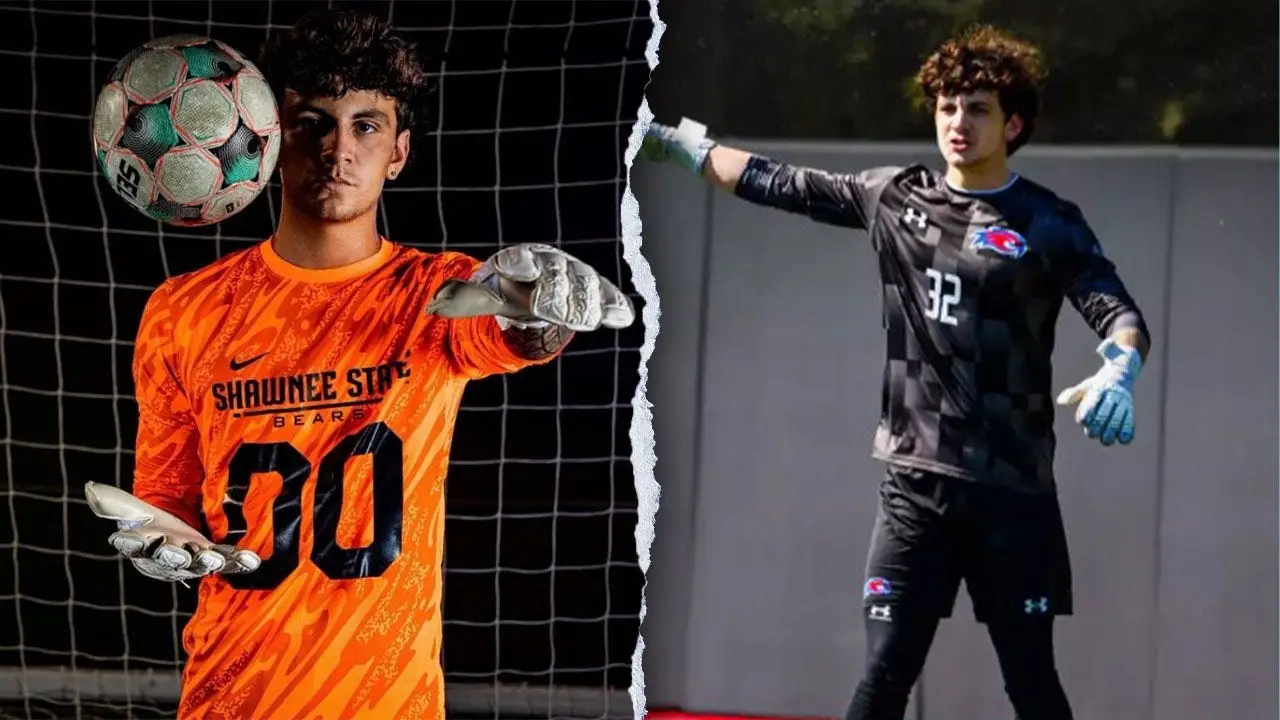
On a solemn weekend in Madison County, Ohio, a devastating collision on Interstate 71 claimed the life of 21-year-old Tobias “Toby” Forsythe, a dedicated college soccer goalie with a bright future ahead of him. The young athlete’s vehicle was struck from behind by a massive commercial truck driven by 42-year-old Bekhzod Asrarov, an Uzbek national. When Ohio State Highway Patrol troopers arrived at the chaotic, debris-strewn scene, they were met with an immediate communication barrier. Asrarov, despite holding an Ohio-issued commercial driver’s license (CDL), could not speak English and was forced to rely on Google Translate to communicate with the responding officers.
In the immediate aftermath of the crash, the situation grew even more contentious as Asrarov allegedly attempted to destroy critical evidence. Sources close to the investigation revealed that the truck driver tried to rip down and smash his rig’s dashboard camera. Additionally, investigators reported that Asrarov attempted to destroy his logging device along with his three personal cell phones before law enforcement could fully secure the scene. This frantic attempt to dismantle recording equipment has added a layer of criminal suspicion to an already heartbreaking traffic homicide, raising serious questions about the driver’s actions leading up to the impact.
The tragedy has quickly ignited a fierce national conversation regarding highway safety, licensing standards, and federal immigration policies. Asrarov had only recently entered the United States in 2024 through the diversity visa lottery program during the Biden administration. The revelation that a driver of an 80,000-pound rig could obtain a commercial license without functional English proficiency drew sharp criticism from federal officials. Newly appointed Transportation Secretary Sean Duffy voiced his outrage publicly, stating that the nation cannot allow drivers who are unable to read American road signs or communicate with law enforcement to operate massive, potentially lethal vehicles on public highways.
This horrific event has intensified the Trump administration’s ongoing crackdown on commercial drivers who do not meet English proficiency standards. Federal regulations technically require CDL holders to speak and read English well enough to converse with the public, understand traffic signs, and write official reports, yet enforcement has historically varied. The fatal Ohio crash follows another recent high-profile tragedy in Pennsylvania, where a Haitian national—who remained in the country despite a prior deportation order—was charged in the death of a state trooper during a commercial vehicle inspection, fueling demands for stricter federal oversight.
Behind the political debate is a grieving community mourning the loss of a young man defined by his work ethic, passion, and kindness. Toby Forsythe, an economics major, was a standout goalkeeper who had recently joined the University of Massachusetts Lowell River Hawks after successful seasons at Ashland University and Shawnee State. UMass Lowell’s athletic director, Lynn Coutts, expressed the profound grief felt across the entire department, sharing that while Toby’s time with the River Hawks was tragically cut short, his vibrant spirit left an indelible mark on his teammates and coaches.
Head soccer coach Kyle Zenoni remembered Forsythe as a young man of rare integrity who never looked for shortcuts and showed up every day simply wanting the opportunity to earn his place on the field. As Toby’s family, friends, and teammates struggle to process this sudden and preventable loss, the university has pledged to honor his memory by carrying forward the quiet, determined example he set. Meanwhile, the legal system and transportation safety advocates are left to grapple with the systemic failures that allowed an unprepared driver behind the wheel of a commercial truck, turning an ordinary highway journey into a scene of unspeakable grief.