


A Tragic Murder Shakes Illinois Communities
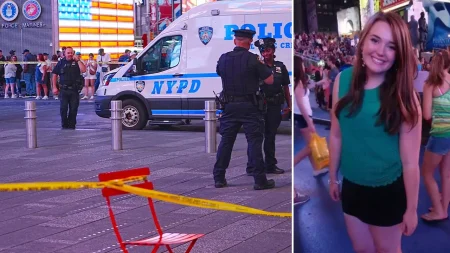
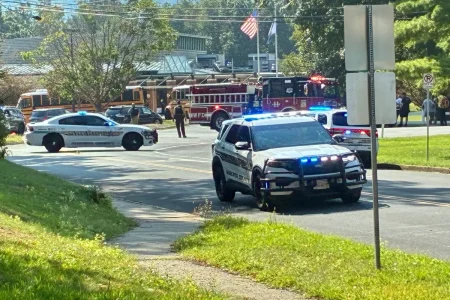
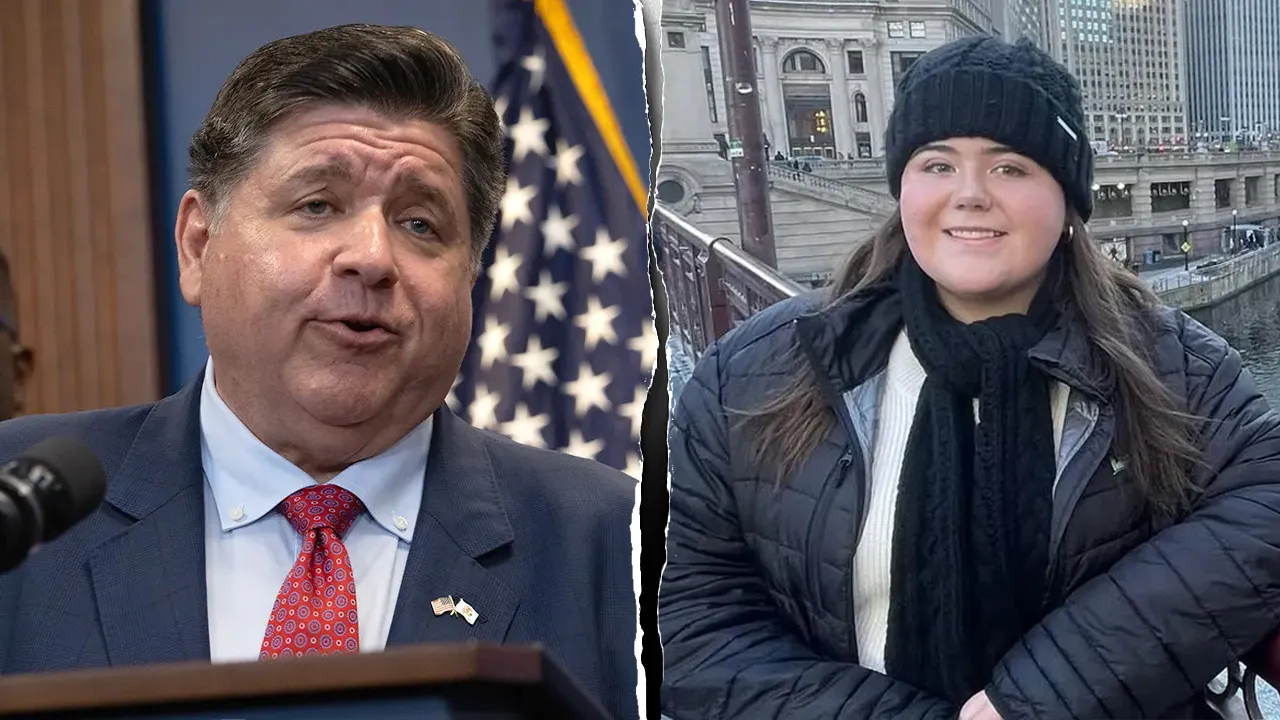
In the quiet hours of a Chicago morning, a young life was abruptly cut short, leaving a wake of grief that rippled through families, friends, and officials alike. Sheridan Gorman, a vibrant student at Loyola University Chicago, was enjoying a night out with her circle of friends at a pier when disaster struck. Unbeknownst to them, a dangerous shadow lurked nearby—Jose Medina-Medina, a 25-year-old Venezuelan national who had arrived illegally in the United States. In a moment of senseless violence, Medina-Medina allegedly opened fire, claiming Sheridan’s life and shattering countless dreams. As news of the shooting spread, it sparked intense conversations about immigration policies and personal accountability, with Illinois Governor JB Pritzker stepping forward to address the heartache. In a heartfelt statement, Pritzker acknowledged the “terrible tragedy” that had befallen the Gorman family, expressing deep sympathy while pointing to broader systemic issues. He highlighted how this incident was not just a local sorrow but a symptom of national failures, urging for more comprehensive immigration reforms. Pritzker’s words resonated with many, as communities grappled with the reality that such violence could touch anyone, turning an ordinary night into a haunting reminder of vulnerability.
As details emerged, Medina-Medina’s path painted a troubling picture of missed opportunities and bureaucratic oversights. Apprehended by U.S. Border Patrol on May 9, 2023, this young man from Venezuela was processed under the current administration’s policies and released into American society. Despite being an undocumented immigrant, he integrated into Chicago’s diverse neighborhoods, even residing at a migrant shelter in Leone Beach Park’s fieldhouse—a temporary haven for newcomers seeking stability. Critics quickly noted how this release, amid reports of high-level decision-making, allowed someone with potential red flags to slip through the cracks and settle in Rogers Park. For the Gorman family, this wasn’t abstract policy talk—it was personal devastation. Sheridan’s mother, Jessica Gorman, spoke poignantly of her family’s pain, telling reporters that while they grieved, they remained resolute in seeking justice. “We are gonna get justice for Sheridan,” she declared from her home in Yorktown Heights, New York, where homes glowed green in solidarity, honoring Sheridan’s cherished school color. It was a simple yet powerful gesture, a community’s way of saying, “We’re here for you,” in the face of unimaginable loss. Medina-Medina’s presence in the U.S., once a hopeful opportunity for many migrants, now symbolized the dark side of porous borders, where individual stories intertwine with national debates on security and compassion.
Governor Pritzker, a Democrat navigating the political storm, took a measured yet pointed stance when he indirectly criticized former President Donald Trump’s record on immigration. “There have been real failures,” he stated, emphasizing that the Trump administration’s promise to “go after the worst of the worst” had gone unfulfilled, allowing dangerous individuals to pose threats unchecked. Pritzker framed his remarks not as partisanship but as a call to action, stressing the federal government’s primary role in robust immigration enforcement. He urged ongoing efforts at state and local levels to apprehend and prosecute violent criminals, while lamenting the absence of sweeping reform that could prevent such tragedies. As a sanctuary state, Illinois deliberately limits local law enforcement’s involvement in federal immigration matters, a policy designed to foster inclusive communities without fear of deportation. Yet, Pritzker’s comments highlighted the tension between these ideals and the raw need for safety, painting a picture of a system straining under its own weight. He urged a collective push for change, reminding listeners that while states like Illinois focus on community health, the buck stops at the White House for overarching policies that either build or breakdown trust in the nation’s borders. It’s a human story of politics intersecting with personal grief, where one father’s profound sorrow over his daughter’s death fuels a broader demand for accountability.
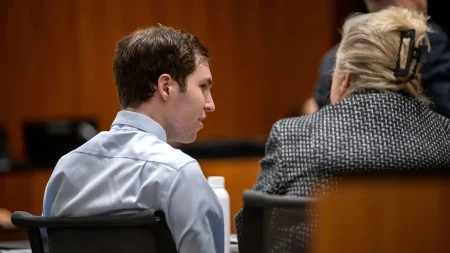
The chilling details of Medina-Medina’s alleged actions unfolded like a scene from a true crime drama, captured on grainy security footage that led to his swift apprehension. Police reports described him wearing a black mask and clothing, his movements marked by a distinctive limp and slow gait—a detail that became crucial in the investigation. Early Thursday morning, after the shooting at the pier, Medina-Medina was spotted strolling away, taking the Evelyn Avenue Metra stop before walking nearly a mile north to Pratt Boulevard. Minutes later, he navigated through alleys near Sheridan Road, slipping into the back entrance of his Rogers Park apartment complex. An observant building engineer recognized him immediately, noting the same limp that made Medina-Medina unforgettable. Unmasked and seemingly at ease, he appeared in lobby security video, unaware that his image would be flagged in a police database. U.S. Customs and Border Protection quickly matched the video to Medina-Medina’s records, leading authorities to arrest him at his residence later that day. This sequence of events humanizes the incident, transforming cold evidence into a narrative of a predator’s calculated escape and the vigilant eyes that brought him to justice.
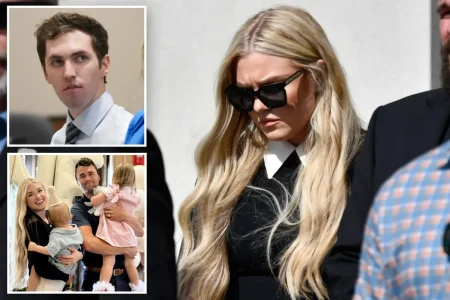
For the Gorman family, this ordeal is a deeply personal journey through mourning and advocacy. In a statement to Fox News, they expressed profound disappointment in policies that permitted Medina-Medina’s continued presence in the country, describing the consequences as “permanent” rather than abstract. “When systems fail—through release decisions, lack of coordination, or unwillingness to act—the results are heartbreakingly real,” they wrote, their words a testament to the enduring pain of losing a daughter who embodied youthful promise. Jessica Gorman, shielding her family from the spotlight during this delicate time, reiterated their focus on celebrating Sheridan’s life amidst the grief. “We are really focusing this week specifically on burying our daughter. We are really focusing on the beauty of her life. We are not addressing this man,” she shared, a poignant declaration that underscored their desire to honor her memory over engaging in public finger-pointing. Community leaders like New York Assemblyman Matt Slater echoed this sentiment, describing how Yorktown Heights illuminated in green to support the family, a quiet act of solidarity that speaks volumes in times of sorrow. It’s a reminder that beyond the headlines and policies, there are real people rebuilding from ashes, finding strength in togetherness and the unwavering belief in justice.
Broader reflections on this incident prompt uncomfortable questions about societal safeguards and human resilience. Illinois’s sanctuary status, intended to provide refuge, now faces scrutiny for potentially exacerbating gaps in enforcement, where local priorities clash with federal mandates. Governor Pritzker’s call for comprehensive reform emphasizes the need for a national conversation that balances compassion with security, ensuring that stories like Medina-Medina’s don’t lead to more shattered families. Sheridan’s friends and loved ones continue to mourn a life full of potential, while advocates push for changes that prevent such senseless acts. As the nation listens—now even through audio versions of news like Fox’s—it’s clear that this tragedy humanizes the stakes of immigration debates, turning policy into personal stakes. Whether through podcasts, newsletters, or community vigils, the voices demanding better systems grow louder, weaving a narrative of hope amid heartache, urging society to learn from its failures and heal its divides. In the end, Sheridan’s story is not just one of loss but of legacy, inspiring a collective commitment to a safer, more just world where dreams don’t end abruptly on a Chicago pier.