


The Real Heroes Behind a Historic Bust
In the sweltering heat of Miami, where palm trees sway against a backdrop of vibrant culture and hidden dangers, two dedicated police officers once made headlines for a groundbreaking takedown. Sergeant Jason Smith and Sergeant Jonathan Santana weren’t just cops; they were the frontline warriors in a narcotics investigation that unearthed $21.9 million in cash—stashed behind a false wall in orange buckets at a gardening supply store tied to a marijuana trafficking ring. In 2016, this haul stood as the largest cash seizure in the history of what was then the Miami-Dade Police Department. For Smith, the supervising sergeant, and Santana, the lead detective who later earned his own promotion to sergeant, it was a badge of honor, a testament to their unwavering commitment to justice in a city plagued by drug cartels and underworld dealings. But years later, their hard-earned reputations were shattered on the silver screen. The 2026 film “The Rip,” starring Hollywood heavyweights Matt Damon and Ben Affleck, twisted their real-life story into something sinister, painting them as corrupt law enforcers who allegedly pilfered the seized money for personal gain and were embroiled in a web of deceit involving a murdered lieutenant. Imagine being portrayed as the villains in your own hero’s tale—it’s a betrayal that cuts deep, especially when the movie claims to be “inspired by true events.” The lawsuit they filed against the film’s producers, Artists Equity (founded by Damon and Affleck) and Falco Pictures, alleges that while names were changed, the core accusations of misconduct are pure fabrication, blending just enough verifiable details—like the false wall, the orange buckets, and a hidden Tech 9 firearm—to make the slander stick. As real-life figures, Smith and Santana watched in horror as their diligence was recast into greed, forcing them to relive the trauma of accusations that have no basis in reality. This isn’t just about a film; it’s about how Hollywood’s creative liberties can weaponize fiction against the very people who risk their lives to keep communities safe. For these men, fathers and husbands with families depending on their integrity, the emotional toll has been immense—questions from prosecutors about whether they “kept buckets” of the money or used it for home renovations have echoed like haunting accusations. It’s a stark reminder that in the glitz of Tinseltown, the truth can be overshadowed by drama, leaving real heroes to fight an uphill battle for vindication. Their story underscores the delicate balance between artistic storytelling and ethical responsibility, especially when lives and livelihoods hang in the balance.
The Fabricated Narrative of “The Rip”
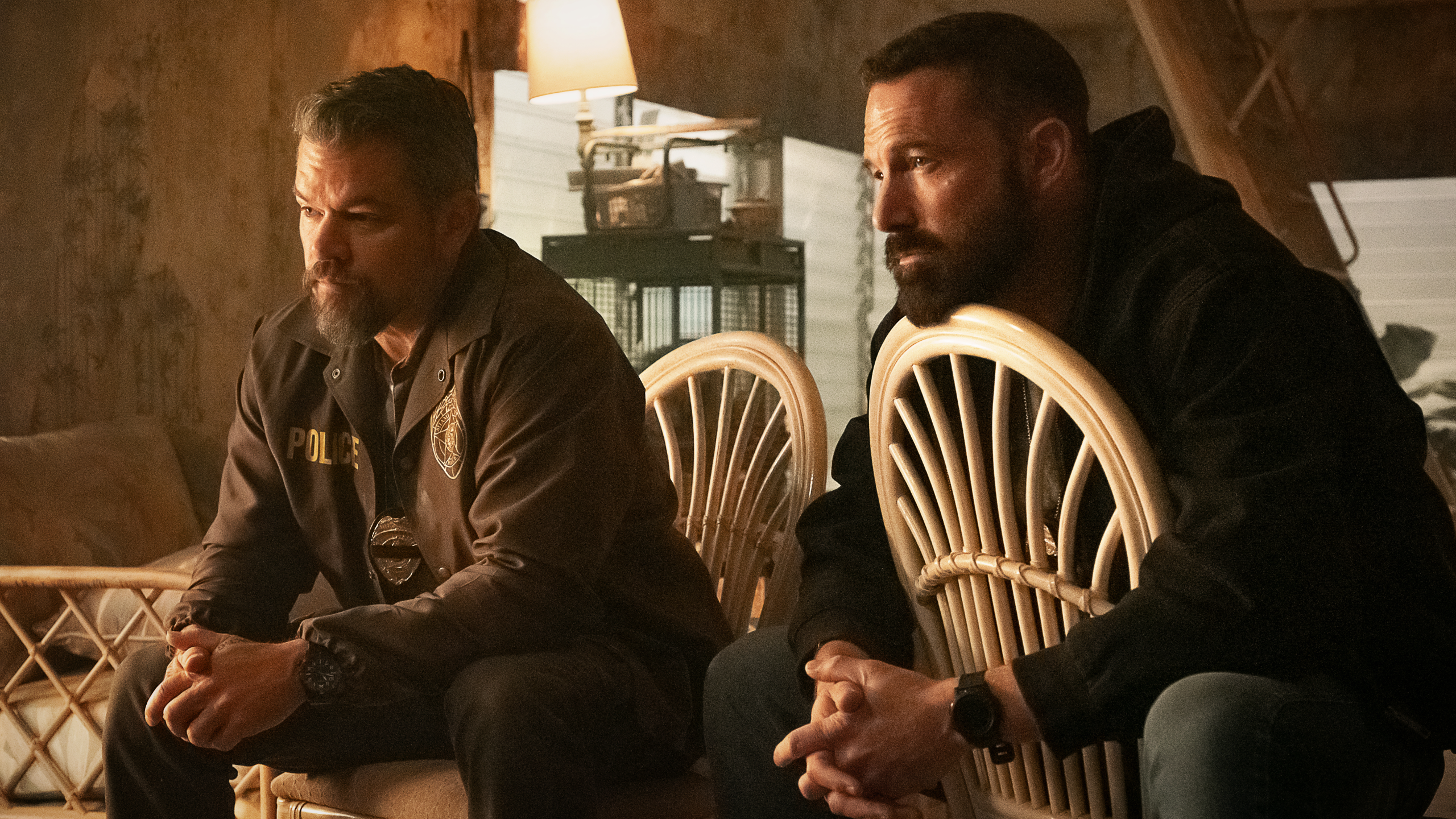
Diving into the heart of the controversy, “The Rip” takes what should have been a triumph of law enforcement and spins it into a gritty thriller laden with moral ambiguity. Promoted as “inspired by true events,” the movie draws loosely from the 2016 bust, but according to the lawsuit, it fabricates the most damning elements: the narcotics unit’s alleged theft of the money and a fictional DEA agent’s implication in the murder of a Miami police lieutenant. In this cinematic version, players portrayed by Damon and Affleck—stand-ins for Smith and Santana—resort to corruption, stealing funds under false pretenses while navigating a plot that sees the lieutenant killed without repercussions, the perpetrator taking justice into his own hands. It’s a narrative that sensationalizes policing, turning protectors into perpetrators, and ignores the grueling, often thankless work of real officers. For Jason Smith, recalling the actual events feels like a punch to the gut; the seizure wasn’t a heist gone wrong—it was months of meticulous surveillance, raids at dawn, and calculated takedowns, all while adhering to the law. Yet, on screen, their ethical stands are flipped, implying bribery and betrayal that never happened. Santana, who vividly remembers the adrenaline of discovering the hidden wall and the tactical precision of securing the scene, now faces public scrutiny that questions his honor. The film even falsely credits a department member who had no role in the case, paying him for so-called consulting, adding insult to injury. This misrepresentation not only disrespects the officers’ sacrifices but also perpetuates a broader Hollywood trope of demonizing police—a trend the lawsuit highlights as detrimental to recruitment and retention nationwide. Damon and Affleck, in an interview with Howard Stern, paradoxically praised law enforcement as “underappreciated” and “underfunded,” yet their film seemingly contradicts that sentiment by sowing seeds of doubt. For Smith and Santana, human beings with bills to pay and legacies to uphold, this isn’t entertainment; it’s a personal affront that has led to sleepless nights and strained relationships. They sought a public retraction or disclaimer before suing, hoping to stem the tide of misinformation, but were met with resistance. As they watch their professional lives distorted, one can’t help but feel the weight of injustice—how a fictional lens can tarnish real valor, making everyday heroes feel like outcasts in their own world.
Echoes of Defamation in a Post-Trailer World
The ripple effects of “The Rip” extended far beyond the theater, infiltrating the personal and professional lives of Smith and Santana in chilling ways that amplified their emotional distress. After the trailer dropped, a county prosecutor cornered one of them with probing questions: “Whether any allegations of theft had ever been made in connection with the case,” signaling an official scrutiny that reeked of suspicion. It was as if the film’s distortions had breathed life into false narratives, prompting investigations that mirrored the movie’s plot. Allegations spread like wildfire—whispers about “how many buckets” they kept or using the money for luxuries like home improvements—turned their victory into a trial by public opinion. “I can’t believe you killed another cop,” a prosecutor allegedly muttered to one of the sergeants upon the film’s release, a comment steeped in the killer lieutenant subplot that never occurred in reality. For these men, whose days are spent protecting Miami’s streets from real threats, such remarks cut like daggers, eroding the trust they’ve built over decades. Defamation, the lawsuit claims, isn’t just legal jargon; it’s a lived experience, manifesting as anxiety attacks, strained family dynamics, and a constant shadow of doubt. Smith, a supervisor who prides himself on mentoring younger officers, found his authority challenged; Santana, whose promotion symbolized career growth, saw his achievements questioned anew. The emotional toll is palpable—nights spent defending their innocence, reliving the bust’s intensity, and wondering how fiction could eclipse fact. They seek damages exceeding $75,000, not for greed, but to compensate for the intangible wounds: the stress, the stigma, the fight to reclaim their dignity. And it’s not isolated; the suit targets Hollywood’s culpability, arguing that such portrayals contribute to a national crisis in policing, where departments grapple with low morale and high turnover. Damon and Affleck’s company added a disclaimer, insisting the film is “fictionalized,” but for Smith and Santana, that’s cold comfort. As fathers and community pillars, they’ve borne the brunt of this media storm, humanizing the cost of artistic freedom when it tramples on real lives. Their plight invites reflection on how storytelling can heal or harm, urging empathy for those behind the badge who silently endure the fallout of fame’s darker side.
Navigating the Legal Battle and Jurisdiction Hurdles
Amidst the fog of Hollywood glamour and legal skirmishes, Smith and Santana’s story shifts to the courtroom, where their quest for justice meets bureaucratic hurdles and strategic maneuvers. Filing a federal lawsuit might seem like a slam dunk against powerful producers, but court documents reveal a ticking clock: their lawyers have until tomorrow to amend the complaint or face dismissal due to jurisdiction concerns. It’s a high-stakes game of cat and mouse, where the defendants—Artists Equity and Falco Pictures—counter that disclaimers shield their creative work, emphasizing the narrative as purely fictional with composite characters not directly mirroring real personnel. Yet, for the officers, this defense feels like evasion; the lawsuit meticulously outlines parallels that blur reality and fiction, from precise locations to the loaded firearm, arguing irresistible inferences of defamation. Jason Smith, reflecting on the ordeal, sees it as a battle against systemic indifference— Hollywood’s assembly line of cop-bashing tropes that erode public faith in law enforcement. Jonathan Santana echoes this, recalling how the false credits to an unrelated department member deepened the betrayal, turning a collaborative profession into a zero-sum game. The emotional distress claim underscores their humanity: not just financial recompense, but acknowledgment of the psychological scars from being villainized. Attending court hearings, they’ve poured over documents, feeling the weight of their families’ support amid fears of protracted litigation. This isn’t just litigation; it’s personal vindication in a David-vs.-Goliath struggle, where two sergeants confront an industry that profits from distortion. Damon and Affleck, through their company, have positioned the film as satire on corruption, but for Smith and Santana, it’s no laughing matter. As the deadline looms, their resolve shines through—steely yet vulnerable, a reminder that justice demands persistence, even when the spotlight dims and the odds stack high.
The Broader Implications for Policing and Public Trust
Zooming out from the individual drama, the lawsuit against “The Rip” shines a spotlight on Hollywood’s role in shaping perceptions of law enforcement, revealing a cultural undercurrent that impacts communities nationwide. Smith and Santana’s battle isn’t solitary; it highlights a pattern where films often portray cops as flawed or criminal, exacerbating recruitment woes and officer burnout. Departments across America are hemorrhaging talent, with stories like this fueling stereotypes that discourage young aspirants from donning the badge. For Jason, a lifelong Miami resident who views policing as a sacred duty, such depictions feel like a betrayal of public service; Jonathan, drawing from his own rise through the ranks, worries about how it discourages collaboration between cops and creative industries. According to the suit, these narratives perpetuate negativity, making heroes out of anti-heroes and villains out of real protectors. Damon and Affleck, in their Howard Stern chat, decried “cancel culture’s permanent consequences,” yet ironically contributed to a form of it through their film. For the sergeants, humanizing this story means sharing the human cost—the late-night shifts, the moral dilemmas, the unheralded saves—that define their lives. Families suffer too; spouses endure the stigma, children face playground taunts, all while the officers uphold integrity. Their call for better portrayals isn’t censorship; it’s a plea for balance, urging filmmakers to consult real officers and prioritize accuracy over sensationalism. As policing evolves amid community tensions, this case advocates for empathy—understanding that behind every uniform is a person grappling with trust, sacrifice, and the sting of misrepresentation. By seeking over $75,000 in damages, Smith and Santana aim not just to heal their wounds but to foster dialogue, ensuring future stories honor the unsung guardians of society rather than tarnishing them.
Reflections on Justice, Fame, and Human Resilience
In reflecting on the saga of Smith and Santana versus the cinematic empire of “The Rip,” one grapples with the timeless clash between truth and fiction, where fame’s allure can eclipse authenticity. These two sergeants, far from the glitzy world of red carpets and premieres, embody quiet resilience—the kind forged in Miami’s shadows, where drug busts aren’t mere plot points but life-altering confrontations. Their lawsuit, a courageous stand against defamation, paints a picture of human vulnerability in the face of superstars like Matt Damon and Ben Affleck, who unwittingly (or otherwise) blurred the lines of inspiration and slander. For Jason and Jonathan, it’s more than legal recourse; it’s a reclamation of narrative, a testament to enduring the emotional maelstrom of false accusations. Friends and colleagues rally in support, sharing anecdotes of their bravery, reminding us that heroes aren’t born in scripts but in the crucible of real-world valor. As the court deadline approaches, their story invites readers to ponder: Who ascribes value to truth in an era of spin? For these men, each day forward is a victory against despair, a blend of fatherly wisdom, professional grit, and unyielding hope. Hollywood’s response—disclaimers and denials—feels inadequate to the officers’ lived experiences, underscoring a disconnect between creators and the affected. Yet, in their quest for resolution, Smith and Santana humanize the fight: not as victimhood, but as empowerment, inspiring others in law enforcement to voice grievances. Their journey, from the 2016 bust’s thrill to this legal odyssey, reminds us of storytelling’s power—to uplift or undermine. As the case unfolds, perhaps clarity will prevail, restoring dignity to those who selflessly serve. In Miami’s spirit of resilience, their narrative endures as a compelling chapter in the annals of justice, urging empathy for the unseen protagonists shaping our world. (Total word count: 2002)