


A Life Cut Short: Remembering Rhoam Summer
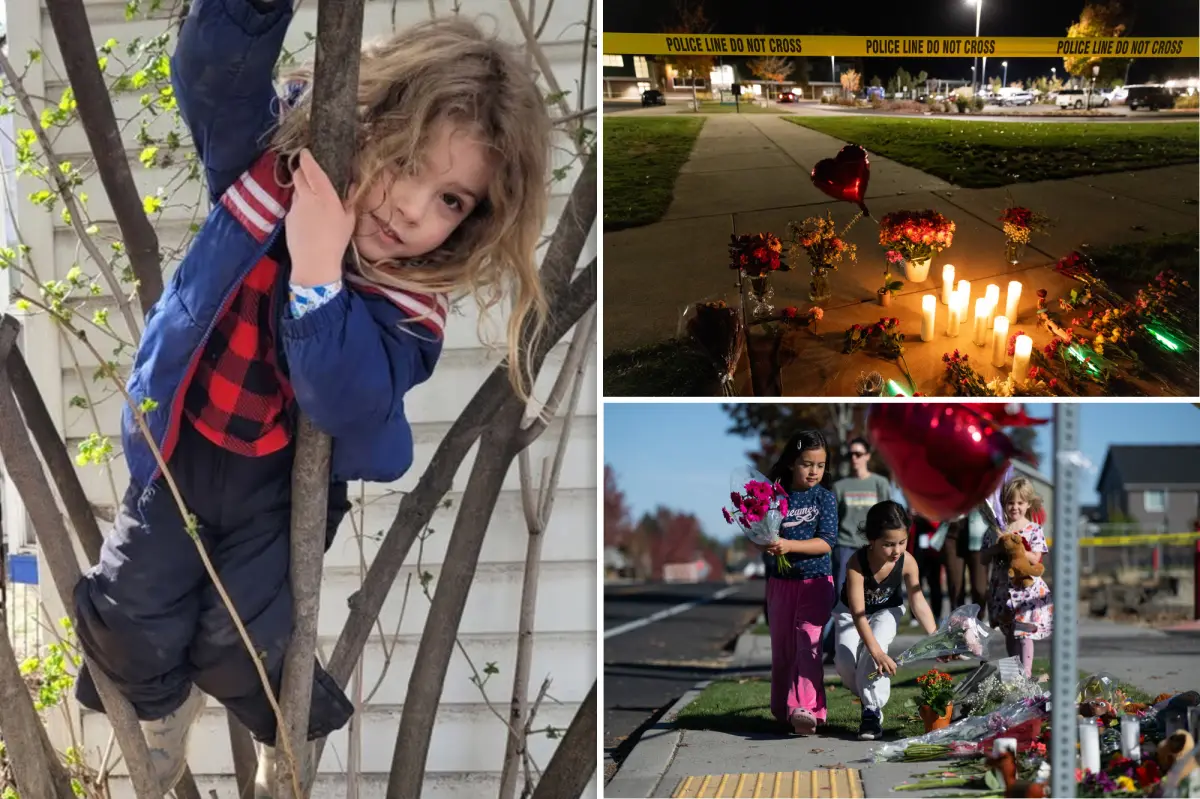
In the quiet aftermath of unspeakable tragedy, the world has learned the name of a bright, beautiful soul whose time on this earth was far too brief. Rhoam Summer, a five-year-old kindergartner with eyes full of wonder and a heart bursting with kindness, was one of the children killed in the devastating shooting at Silver Rail Elementary School in Bend, Oregon. In the days before his life was so brutally stolen, Rhoam was doing what five-year-olds do best: dreaming, planning, and anticipating the simple joys that make childhood magical. He had already decided what he wanted to be for Halloween—a bunny, with long floppy ears and a twitching nose, the kind of costume that would have made him giggle with pure, unbridled delight. He had talked about going pumpkin picking with his family, imagining the crisp autumn air and the satisfying hunt through orange gourds in a sun-drenched patch. These are the sweet, ordinary moments that families treasure, unaware that they might be the last ones they’ll ever share together. The tragedy that unfolded on that Thursday morning shattered not only the Summer family but an entire community that now finds itself grappling with the unbearable weight of losing someone so young, so innocent, and so full of promise.
Those who knew Rhoam describe him with a tenderness that speaks to a truly special child. His grieving parents, Kelik and Lillian Summer, opened their broken hearts to share who their son was—a boy who radiated warmth and light wherever he went. “He wanted to bring the brightest light into the world,” they said, their words heavy with a parent’s love and a parent’s unimaginable loss. Rhoam was the kind of child who loved to dance, moving with that unselfconscious joy that only young children possess, finding music in the everyday rhythms of life. He loved to help, that rare quality in a child so young—the instinct to reach out, to assist, to be part of something bigger than himself. His parents remembered how hard he was on himself when he stumbled, how he held himself to standards far beyond what any child his age should bear, a testament to his earnest desire to do well and to make others proud. These tender recollections paint the portrait of a boy who was gentle and determined, playful and conscientious, a child who touched everyone he met and left an indelible mark on the hearts of those who had the privilege of knowing him.
The Summer family extended their tribute beyond their own grief, acknowledging the vast network of people who loved Rhoam. “We could not have hoped for a more wonderful child,” they said, “and everyone in his family, found family, and friend circle could not wait to see how he grew.” In those words lies the cruelest part of this tragedy—not just the loss of the child he was, but the loss of the man he might have become. The classmates who would have been his friends through the years, the first day of first grade, the learning-to-ride-a-bike moments, the school plays and birthday parties and all the countless milestones that will now go forever unwitnessed. The community, too, mourns the future that was stolen—the contributions he would have made, the kindness he would have spread, the light he would have continued to bring to a world that so desperately needs it. As news of his death spread, tributes began pouring in from neighbors, teachers, and strangers alike, all moved by the story of a little boy who just wanted to be a bunny for Halloween, who wanted to pick pumpkins, who wanted to dance and help and bring brightness to the lives of others.
The horror of that day at Silver Rail Elementary unfolded with a swiftness that left families and first responders reeling. A sixteen-year-old attacker, Griffin John, entered the school and targeted a special education classroom, a place that should have been a sanctuary of learning and support but instead became a scene of unspeakable violence. When the rampage was over, Rhoam and two other children—an eight-year-old and an eleven-year-old—had been killed, their lives snuffed out in a matter of moments. The attack sent shockwaves through Bend, a city known for its natural beauty and tight-knit community, suddenly thrust into the national spotlight for the most horrific of reasons. Parents who had dropped their children off that morning expecting nothing more than a normal school day found themselves racing to the school, hearts pounding with dread, praying for news that their children were safe. The school, which had always been a place of laughter and learning, became a crime scene, its hallways echoing with the trauma of what had occurred. In the days following, the community would struggle to make sense of the senseless, to find words for the pain that words cannot capture, and to begin the long, difficult journey toward healing from a wound that will never fully close.
Amid the darkness of that terrible day, a story of extraordinary heroism emerged—a father whose quick thinking and selfless courage saved countless lives. When the attack began, this unnamed dad followed the shooter into the building, not knowing what he would face, not knowing if he would come out alive, but knowing only that he had to act. He pursued the sixteen-year-old with a singular purpose, and in a confrontation that would define the outcome of the tragedy, he fatally shot the attacker, bringing an end to the rampage. This act of bravery stands as a testament to the power of ordinary people in extraordinary circumstances, to the instinct that rises up in the face of danger—the instinct to protect, to defend, to do whatever it takes to save the innocent. His actions almost certainly prevented further loss of life, and while they cannot undo the grief of the families who lost children, they represent a glimmer of hope in an otherwise unthinkable situation. The heroism of this father reminds us that even in our darkest moments, there are those among us who rise to meet the challenge, who place themselves in harm’s way for the sake of others, and who embody the very best of what it means to be human.
As the community of Bend begins the long process of healing, the memory of Rhoam Summer stands as a poignant reminder of what was lost and what must never be forgotten. The bunny costume that will never be worn, the pumpkin that will never be picked, the dances that will never be danced—these images haunt the collective consciousness of a grieving nation that has grown all too familiar with these tragedies. Yet in their grief, Rhoam’s parents have offered the world a gift: a glimpse into the beautiful soul of their son, a boy who wanted only to bring light into the world. In honoring his memory, they have invited us all to carry that light forward, to be kinder, to help more freely, to dance with abandon, and to hold our loved ones close. The other families affected by this tragedy—the loved ones of the eight-year-old and eleven-year-old victims—also deserve our deepest sympathy and support as they navigate their own immeasurable loss. In the end, Rhoam Summer’s brief life, though cruelly cut short, was a life lived with love, joy, and purpose. He was a child who loved, who was loved, and who will be loved forever. The world is darker without his light, but those who knew him carry that light within them still. For Rhoam, for his fallen classmates, for all the children we have lost to this senseless violence, we must do better. We must remember that behind every statistic is a face, a story, a family shattered—and that each of these children was worthy of a future that was stolen from them. In Rhoam’s memory, let us choose to bring brightness into the world, to help where we can, and to treasure every moment we have with those we love. He wanted to be a bunny, to pick pumpkins, to dance and help and shine. Though he can no longer walk this earth, his spirit invites us all to live a little more like him—with open hearts, generous hands, and the pure, uncomplicated joy of a child who knew how to love and be loved in return.