







Deadly Hantavirus Outbreak Forces Cruise Ship Exodus from Canary Islands
The Voyage Interrupted: A Ship’s Troubled Return
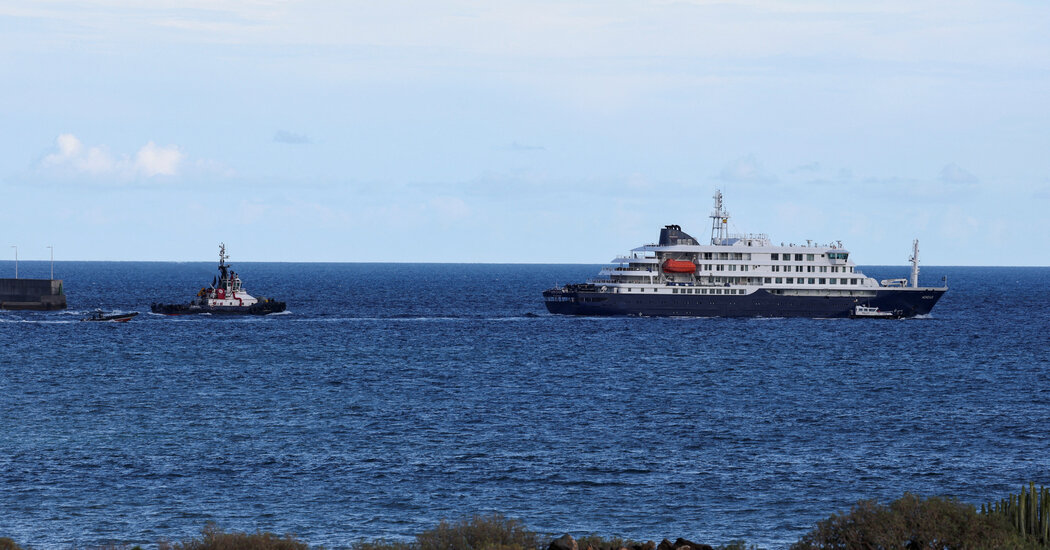
In a scene that echoed the anxieties of global health crises long past, the MV Hondius, an expedition cruise ship once brimming with dreams of icy adventures, departed the port of Granadilla de Abona in Tenerife, Canary Islands, on a somber Monday evening. Four sharp honks pierced the air, signaling not just a sailor’s farewell but the end of a harrowing chapter triggered by a deadly hantavirus outbreak. The vessel, operated by Oceanwide Expeditions, had lingered in harbor for nearly two days after its unscheduled arrival, allowing authorities to navigate the complex web of testing, tracing, and evacuations amid rising fears of contagion.
The ship’s original itinerary, a sojourn through remote southern Atlantic islands, had begun innocently enough in Argentina. Passengers, drawn by promises of wildlife encounters and pristine landscapes, embarked expecting wonder. But as the journey unfolded, an invisible menace emerged—a rarity in modern cruising: hantavirus, a family of viral pathogens transmitted primarily through rodent droppings and urine. What started as isolated reports of illness escalated into a full-blown public health alarm, claiming at least three lives and affecting seven others, according to health officials. This outbreak not only shattered vacation plans but thrust the global community into vigilance, reminiscent of past pandemics that have redrawn the maps of travel and public safety.
As the MV Hondius pulled away from the dock, its decks visibly lighter, the narrative of resilience and rapid response unfolded. Spain’s health minister, Mónica García, revealed that most evacuations wrapped up the previous day, with passengers and crew members whisked home via chartered flights. By Monday, the final plane was poised to carry the remaining 22 individuals, including adventurous travelers and essential staff, to safe havens. Meanwhile, 32 crew members opted to stay aboard, their role shifting from chaperoning excursions to facilitating the ship’s repurposed mission: a diligent five-day journey to Rotterdam in the Netherlands, where thorough disinfection awaited under the watchful eye of Spain’s interior minister, Fernando Grande-Marlaska.
Unraveling the Viral Mystery: Background on Hantavirus
To understand the gravity of the situation aboard the MV Hondius, one must delve into the shadowy world of hantavirus—a zoonotic disease that lurks in the veins of rodents worldwide. These viruses, part of the Bunyaviridae family, don’t spread directly from person to person but can infect humans through contact with contaminated surfaces or inhaling aerosols from rodent excretions. In the context of this cruise, experts speculate that the infection likely stemmed from remote island environments, where sailors or passengers might have unknowingly disturbed habitats harboring infected mice or rats. Symptoms, which can mimic the flu with fever, fatigue, and respiratory distress, escalate quickly; without prompt medical intervention, they may lead to severe pulmonary syndrome, organ failure, or death.
Global health agencies, including the World Health Organization and Centers for Disease Control and Prevention, have long monitored these pathogens, which are endemic in regions like the Americas and parts of Europe. Outbreaks are sporadic, often linked to habitat disruption or human encroachment into wilderness areas—much like the MV Hondius’ route through desolate southern Atlantic outposts. Dr. Elena Ramírez, a virologist from Spain’s Instituto Nacional de Salud Pública, notes that while hantavirus isn’t new, cases aboard ships are exceptionally rare, heightening concerns for isolated travel. “In enclosed environments like a cruise vessel,” she explains, “even a single infected rodent can cascade into multiple exposures, turning a peaceful expedition into a biosecurity nightmare.” This incident underscores the fragility of adventure tourism, where the allure of untouched nature collides with unseen biological threats.
Authorities are now racing against the clock to trace potential contacts. Spain’s health ministry has committed to monitoring all 150 passengers and relevant crew members for symptoms over the forthcoming weeks, employing contact-tracing protocols akin to those honed during the COVID-19 era. Countries hosting evacuees, from Europe to beyond, are collaborating to ensure surveillance nets are tight, offering a stark reminder that global travel demands unflinching attention to zoonotic risks. As the ship sails northward, the focus shifts to Rotterdam, where experts will scour every nook for rodent evidence and sanitize extensively—a process that could set precedents for maritime health protocols in the post-pandemic world.
Evacuation Logistics: Coordinating Crises in Paradise
The Canary Islands, a volcanic archipelago shrouded in subtropical allure, became an unexpected staging ground for this international health drama. Tenerife, with its rugged terrains and tourist throngs, transformed overnight from a holiday hotspot into a hub of emergency response. Upon the MV Hondius’ arrival, Spanish officials activated their pandemic playbook, prioritizing rapid testing for all on board. Polymerase chain reaction (PCR) tests and antibody screenings ensured that passengers could disembark only after clearing health hurdles, while isolating those showing signs of infection or exposure.
Mónica García, standing tall amidst the portside hustle, detailed the meticulous evacuation process. By Sunday, much of the operation had concluded, with flights ferrying guests and staff to airports across Europe and Americas. The final aircraft, slated for Monday, represented the culmination of tireless coordination among airlines, health professionals, and cruise operators. Oceanwide Expeditions, in a statement laden with empathy, announced that the ship would replenish supplies in Rotterdam, underscoring a commitment to safety that has defined the company’s ethos since its 1990s founding. “Our highest priority is the wellbeing of our travelers and crew,” read the release, reflecting a blend of regret and resolve that echoed through affected families.
Yet, this was no ordinary logistics puzzle; cultural and emotional dimensions added layers of complexity. Passengers, many seasoned explorers in their golden years, found their Antarctica-inspired dreams derailed by unforeseen peril, while crew members navigated uncertainties about contracted illnesses and quarantines. Carlos Barragán, a journalist covering the scene, captured tales of resilience—elderly couples reuniting with anxious relatives and sailors bidding farewell with stubborn optimism—as planes lifted off into the Atlantic horizons, carrying stories of survival interwoven with lessons in global interconnectedness.
Broader Implications: A Wake-Up Call for Cruise Industry and Travel
Beyond the MV Hondius, this hantavirus incident serves as a cautionary tale for an industry still rebounding from COVID-19’s grip. Cruise lines, which collectively ferry millions annually to exotic locales, now confront the twin specters of zoonotic diseases and isolation risks. Industry analysts like those at CLIA (Cruise Lines International Association) are reevaluating vessel designs, emphasizing rodent-proofing and onboard medical infrastructures. “Incidents like this highlight the need for proactive health measures,” says CLIA spokesperson John Smith, pointing to potential regulations mandating enhanced pest control and passenger screenings before embarkation.
Economically, the fallout resonates. Oceanwide, a niche player specializing in polar and expedition cruises, faces reputational bruises that could deter bookings for its future seasons. Broader tourism in the Canary Islands, a key economic driver drawing 15 million visitors yearly, might see ripple effects, as health concerns prompt hesitancy among global travelers. Yet, adaptations are underway: advanced biosensors and AI-driven monitoring systems could become standard, transforming ships into floating fortresses against microbial invasions.
On a human level, the outbreak amplifies narratives of vulnerability in a hyper-connected world. Passengers like Maria López, a 62-year-old Argentine retiree interviewed via phone from home, spoke of gratitude for swift interventions but voiced lingering fears. “One moment, you’re marveling at penguins; the next, it’s about survival,” she recounted, her words painting a portrait of adventure tourism’s double-edged sword. Experts warn that climate change, by altering rodent habitats and migration patterns, could spawn more such events, urging industries to invest in ecological education and sustainable travel practices.
Looking Ahead: Disinfection, Monitoring, and Global Health Lessons
As the MV Hondius charts its course to Rotterdam, the narrative shifts toward renewal. Spain’s Fernando Grande-Marlaska outlined a disinfection regimen involving high-grade chemicals and ultraviolet technologies, essentially resetting the ship to a sterile canvas. This week-long process in the Netherlands will likely draw international observers, potentially influencing maritime health guidelines worldwide. Oceanwide officials hinted at forensic investigations to pinpoint the outbreak’s origin, possibly involving environmental samples from the ship’s route.
Monitoring efforts extend far beyond the vessel. Health ministries in Europe and the Americas are pooling data on exposed individuals, employing apps and hotlines for symptom reporting. Global entities like the European Centre for Disease Prevention and Control are poised to issue advisories, framing hantavirus as a preventable threat through hygiene and awareness. Dr. Ramírez advocates for public campaigns: “Education is our best vaccine against these rare but deadly viruses.”
The long-term legacy of this saga may redefine travel narratives, blending heroism with precaution. From the decks of a tainted ship emerges a story of collective action—governments collaborating, industries innovating, and individuals persevering. As the MV Hondius sails into Rotterdam’s harbor, it carries not just cargo, but profound lessons in the delicate balance between exploration and safety, reminding us that even in paradise, vigilance is the true compass.
Reflections on a Modern Plague: Society’s Response to Zoonotic Threats
Ultimately, the hantavirus outbreak aboard the MV Hondius encapsulates broader societal vulnerabilities amid rising zoonotic risks. In an era where global mobility amplifies threats—from bats to rats—incidents like this ignite debates on preparedness. Public health experts envision a future with integrated surveillance networks, where shipping routes and tourism itineraries incorporate real-time risk assessments. For passengers and crew alike, it’s a poignant reminder: adventures await, but so do unforeseen perils.
Communities worldwide are now mobilizing—scientific panels convening, travelers sharing testimonials, and policymakers drafting reforms. John Smith from CLIA emphasizes sustainability, suggesting cruises support conservation efforts to mitigate habitat disruptions. Dr. Ramírez echoes this, calling for a “One Health” approach that unites human, animal, and environmental well-being.
As we reflect, the MV Hondius’ ordeal stands as a testament to human ingenuity in crisis. From Tenerife’s quayside to Rotterdam’s docks, this voyage, marred by tragedy, charts a path toward safer horizons. In the annals of travel history, it may be remembered not for the illness, but for the unity it forged—a beacon for navigating the wild unknowns of our planet. (Word count: 2,047)