






Narendra Modi Urges Indians to Embrace Sacrifice as Economic Storm Brews from Iran Conflict
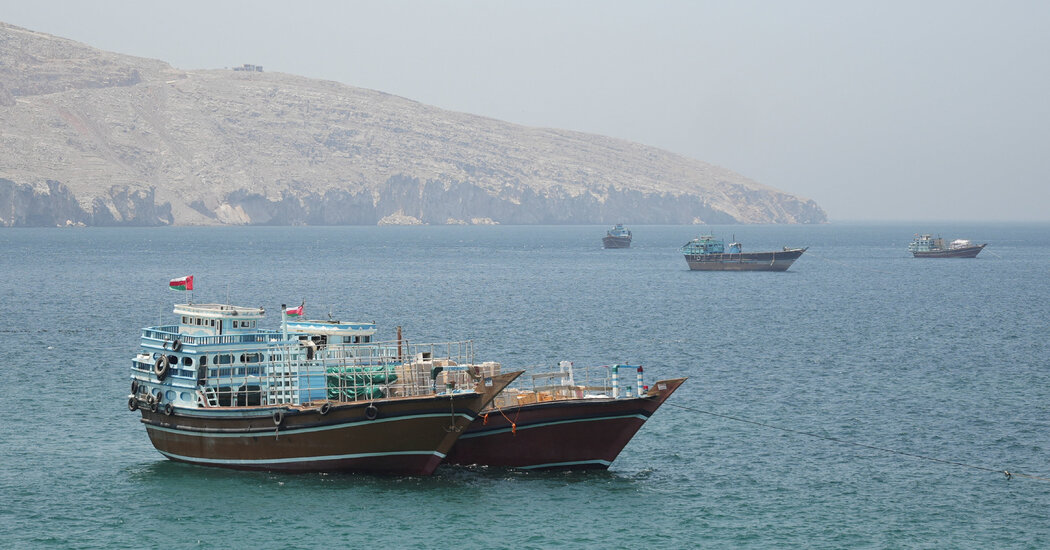
In a moment that reverberated across India’s vast and diverse landscape, Prime Minister Narendra Modi stood before the nation on a Sunday in Hyderabad, urging its 1.4 billion citizens to tighten their belts in the face of a deepening economic crisis fueled by the war in Iran. With the Strait of Hormuz—a critical choke point for global oil flows—under threat from blockades and hostilities, fuels, fertilizers, and even basic travel have become luxuries India can ill afford. Modi’s call for sacrifice wasn’t just rhetoric; it was a stark acknowledgment of how the U.S. and Israel’s bombing campaign against Iran since late February has sent shockwaves through the subcontinent’s economy, driving up import costs and eroding the rupee’s value by 10 percent in the past year alone.
This exhortation came hot on the heels of a decisive electoral triumph for Modi’s Bharatiya Janata Party in four key state elections, where over 150 million votes cemented his government’s mandate. The landslide victory in places like Karnataka freed Modi from the electoral risk of facing public backlash over soaring prices for fuel, food, and transportation—commodities whose costs are heavily regulated by the state. Rather than glossing over the pain with ever-larger subsidies that balloon budget deficits, the premier appears poised to shift the burden onto the people themselves. “To save foreign exchange,” he declared, invoking a spirit of patriotism reminiscent of wartime resolve, “we must accept the challenge.” For a leader often praised for bold, populist strokes, this marked a pivot toward austerity, signaling that India’s path to weathering the storm would demand unprecedented collective restraint.
Delving into specifics, Modi’s address unpacked a laundry list of lifestyle adjustments aimed squarely at curbing imports and conserving scarce resources. He pleaded for reduced consumption of gasoline and diesel, essential to stretch the finite supplies trapped by the Hormuz blockade, and extended the plea to fertilizers, machinery parts, and beyond. Farmers, the backbone of India’s agrarian economy, were encouraged to swap diesel-powered water pumps for solar alternatives, a nod to self-reliant, green innovations. Urban professionals, meanwhile, were reminded of the Covid-19 era lockdowns, with a fresh admonition to embrace remote work and virtual meetings to slash commuting costs and ease pressure on the state coffers. Electric vehicle owners were urged to maximize their carbon-free rides and consider carpooling, while the elite—comprising about 1 percent of the populace who jet off for vacations abroad—were asked to forgo globe-trotting to hoard precious dollars and shore up the weakening rupee. And in a pointed jab at cultural extravagance, Modi revived his 2023 plea to “Wed In India,” discouraging lavish ceremonies in far-flung destinations like Dubai or Italy, alongside a sweeping vow to abstain from gold purchases for an entire year—precious metal that eats up nearly 9 percent of India’s import bill.
Yet India’s approach stands out in a region where neighbors like the Philippines, Bangladesh, and Sri Lanka have already compelled sacrifices from their citizens since March, implementing measures to mitigate the energy crunch directly. While those nations dealt head-on with the fallout, India initially shielded its people by injecting heavy deficits into state-owned oil firms, absorbing colossal losses estimated at $175 million daily. Supplies of cooking gas dipped alarmingly early on, prompting the diversion of crude oil into LPG production to stave off shortages. But as inflation climbs and budgetary targets slip by uncomfortable margins, with imports soaring and exports stagnant, Modi has now dropped the curtain on this protective facade. He’s not alone in sensing urgency; a Monday report from Nomura Holdings warned that the fiscal crunch has reached a “tipping point,” suggesting some of the leader’s voluntary curbs could swiftly turn mandatory.
This isn’t Modi’s first rodeo with appeals to national duty in times of upheaval. His governance style has long been characterized by such calls for endurance, often to bold effect. Back in 2016, he demonetized high-value currency notes to flush out illegal funds, asking citizens to weather the resulting chaos with patience. Though it slowed growth and yielded scant takedowns of “black money,” the move buoyed his party’s fortunes in key polls. Similarly, at the pandemic’s onset, Modi enforced draconian lockdowns that cratered the economy by over 20 percent, yet his popularity endured, framed as necessary heroism. Even his “Wed In India” initiative in late 2023—where party volunteers lobbied affluent families to curb overseas weddings—fizzled without bolstering his 2024 parliamentary prospects, which saw his coalition lose majority control. These precedents underscore Modi’s Midas touch with public sentiment, where sacrifice is spun not as hardship but as patriotic communion, often yielding political dividends despite economic setbacks.
Looking ahead, Modi’s fresh gambit capitalizes on his state-level victories, insulating him from short-term voter ire over potential fuel hikes or restrictions. As the rupee’s slide accelerates, partly due to the Iran conflict’s ripple effects on global trade, the potential for compelled austerity looms larger. Gold hoarding, a sacred tradition for many Indian families marking weddings and wealth preservation, could face regulatory clamps if voluntary halts falter. Yet, in a nation where resilience has historically triumphed over adversity—from colonial independence struggles to pandemic recoveries—Modi’s message may ignite a wave of voluntary compliance. It reflects a leader betting on India’s cultural fabric of unity and optimism to parry a crisis that threatens to unravel hard-won gains in economic stability. Whether this proves another chapter in Modi’s legacy of transformative statecraft or a perilous pivot remains to be seen, but in the heart of Hyderabad’s tech-savvy bustle, the prime minister hinted at a redefined India emerging stronger from the shadows of global turmoil. As foreign eyes watch, Modi’s vision could redefine how emerging nations confront intertwined crises of war, inflation, and identity in an increasingly volatile world. For now, the call echoes: patriotism in action, or peril in the making? Only time, and the collective will of a billion-plus souls, will tell.