





A Tragic Pursuit in the Streets of New York
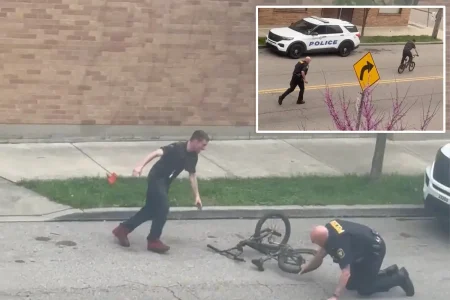
Imagine a bustling New York City street in the summer heat of 2023, where tensions between law enforcement and citizens simmer just below the surface. A suspected drug dealer named Eric Duprey, a 30-year-old man trying to make ends meet in the city’s unforgiving economy, had just sold heroin to an undercover officer. Adrenaline pumping, he jumped onto a motorized scooter—a common sight in the concrete jungle—and sped away from the approaching cops. In that panic-stricken moment, plainclothes NYPD Sergeant Erik Duran, a dedicated officer with years of experience patrolling dangerous neighborhoods, made a split-second decision. Spotting a bystander’s cooler left out on the sidewalk, perhaps discarded during a casual picnic or delivery, Duran grabbed it and hurled it like a makeshift projectile. The cooler struck Duprey, causing him to lose control. His scooter veered wildly before crashing into an unknown obstacle, and Duprey was pronounced dead at the scene. It’s a story that hits home because we’ve all been there—fleeing from something out of fear or instinct, only to have consequences spiral out of control. Duran, who claimed he acted to protect his fellow officers and prevent further harm, later reflected on that horrible moment. “I took this job to save lives,” he told the judge in a courtroom choked with emotion, his voice steady but haunted. He described witnessing the crash and feeling an immediate wave of regret, torn between the demands of duty and the human cost of his actions. This incident wasn’t just a collision of metal and flesh; it was a clash between old-school policing tactics and a changing city wary of vigilante justice. Reports surfaced quickly, with locals sharing smartphone videos and eyewitness accounts of the chase. Duran, a family man with a wife and kids at home, had hoped his intervention would stop Duprey before he could vanish into the labyrinth of alleyways. But instead, it ended a life and thrust Duran into a legal nightmare. As investigations poured in, the NYPD’s internal affairs unit crafted a narrative of excessive force, painting Duran as a lone wolf in plainclothes, far from the uniformed backup that might have justified a more measured approach. The prosecutors, pushing for accountability, saw this as emblematic of broader issues in policing—using improvised weapons in high-stakes pursuits that often endanger innocent bystanders. Duprey’s family, grieving a lost brother and son who had dreams of turning his life around before addiction gripped him, demanded justice. They spoke of Eric as a human being, not just a suspect, whose death rippled through shattered lives. In the media firestorm that followed, hashtags like #JusticeForDuprey exploded on social media, drawing parallels to other high-profile cases where cops’ actions led to unintended tragedies. Duran, meantime, faced the reality that his badge, once a source of pride, had become a target in an environment where every split-second call is scrutinized under a microscope.
The Weight of Judgment Falls
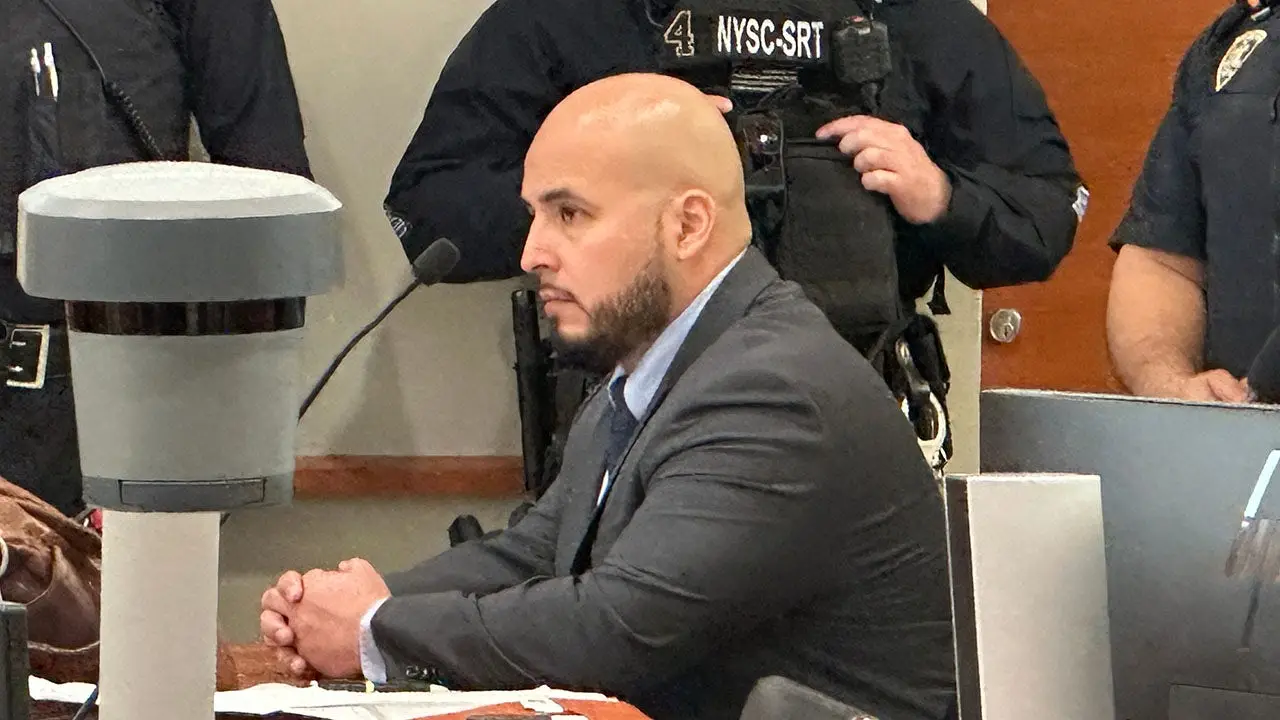
When Sgt. Erik Duran’s bench trial unfolded in a Bronx courtroom in February 2024, presided over by Judge Guy Mitchell, it felt like the city’s pulse was on trial too. Duran, opting for a judge-only trial rather than a jury to avoid the vagaries of public opinion, argued passionately that throwing the cooler wasn’t reckless—it was necessary. In his view, Duprey’s flight on the scooter posed an imminent threat to pursuing officers, potentially leading to a violent confrontation in a densely populated area. Defense lawyers painted a picture of a cop following protocol, reminding the court that police confrontations are unpredictable, with suspects often armed or erratic. But Judge Mitchell, a no-nonsense appointee from the de Blasio era, rejected these claims outright. To him, Duran’s actions crossed a line, turning what could have been a standard arrest into a deadly game of chance. The evidence was damning: surveillance footage captured the throw, the impact, and the fatal skid. Prosecutors from the Attorney General’s office, led by Letitia James, sought a stiff sentence—five to 15 years—to underscore that such tactics weren’t acceptable in modern policing. Duran, standing before the bench in handcuffs, expressed genuine remorse, echoing sentiments shared by many officers who reflect on the chaos of the streets after the fact. “I felt terrible once I saw Eric Duprey crash,” he admitted, his words resonating with humanity beneath the badge. It’s hard not to empathize; we’ve all made impulsive choices in high-pressure situations. Yet, the judge saw it as a teachable moment. Mitchell sentenced Duran to three to nine years in prison for second-degree manslaughter, a term that acknowledged the intent but also the gravity of the outcome. This was no light slap on the wrist—it marked Duran as the first NYPD officer convicted of a duty-related death in decades, a sobering milestone in a department with a storied but often scrutinized history. The courtroom buzzed with talks of precedent: would this deter rogue policing or just breed more fear among ranks? Family members of Duprey, who testified about their lost loved one, left in tears, grateful for some closure but forever changed. Duran, a veteran used to backing up partners, now faced isolation in a system he pledged to protect. Across the city, cops whispered that this could make them hesitate in the heat of the moment, potentially endangering lives rather than saving them. The legal wrangling included appeals already planned by Duran’s team, who argued jurisdictional inconsistencies—Manhattan DA’s office originally declined prosecution, but Brooklyn took it up, leading to this Bronx verdict. It’s a reminder of how red tape and rivalries in local governance can prolong suffering for everyone involved.
A Message to the Force
Judge Mitchell’s decision wasn’t just about Erik Duran; it was crafted as a broader warning to law enforcement everywhere. With a stern gaze, he declared the sentence a “general deterrent,” emphasizing that officers aren’t above the law. In his words, “They had enough to investigate and catch him on a different day,” underscoring that patience and procedure matter more than pouncing in the moment. Mitchell spoke poignantly of Duprey: “The distinction is that the deceased will no longer be seen again by his family.” It was a human touch in a clinical ruling, acknowledging the irreversible loss while addressing systemic issues in policing. Critics of the judge’s perspective argued it turned a heartfelt apology from Duran into dust, ignoring the real dangers cops face daily—chases that can erupt into shootouts or hostage situations. Defense attorneys appealed to common sense, noting that improvised tools like coolers have been used in pursuits without such fallout, and questioned why Duran was singled out when similar incidents have gone unpunished. Meanwhile, New York City’s progressive voices hailed Mitchell as a hero, a judge unafraid to challenge “blue wall” loyalties and hold symbols of authority accountable. But the ruling sparked introspection among rank-and-file officers, many of whom saw it as an attack on their split-second judgments that often protect the public. Vincent Vallelong, head of the NYPD Sergeant’s Benevolent Association, blasted it as “one of the darkest days in the history of our profession,” evoking imagery of law enforcement as embattled heroes, not villains. Vallelong painted Duran as a dedicated servant, someone who risked his safety to serve, now unjustly vilified. He pleaded that the case goes beyond one man—”Every law enforcement officer who makes a split-second decision in the performance of their duties to protect the public was also on trial.” It’s easy to understand that perspective; who among us hasn’t defended a friend or colleague caught in the crossfire? As the sentencing echoed through precinct roll calls, cops shared stories of their own brushes with death, wondering if they’d face the same scrutiny. The decision prompted nationwide debates on police reform, with some advocating for body cameras and de-escalation training to prevent such tragedies. Davenport’s widow and community leaders called for empathy on both sides, recognizing that Duran’s actions stemmed from a flawed system, not malice. In the end, Mitchell’s ruling aimed to humanize the law, reminding all that justice demands fairness for the suspect, the officer, and the community alike, even if it leaves wounds unhealed.
Loyalty Tested in Blue
The NYPD’s swift decision to fire Erik Duran following his conviction landed like another punch to the gut for a department already reeling from public distrust. After the sentencing, Chief of Department Jeffrey Maddrey declared that Duran’s actions violated core values, triggering an immediate termination. This wasn’t surprising in an era where scrutiny from City Hall and social media demands swift repercussions, but for Duran’s colleagues, it felt like betrayal. Vincent Vallelong, the FSA president, decried the firing as rushed justice, protecting institutional image over one of their own. “It wasn’t only Sgt. Duran, a great cop, who was on trial,” Vallelong reiterated, his voice carrying the weight of thousands of uniformed lives. He described Duran as exemplary—a fixture in precinct gatherings, mentoring young officers on the perils of street policing. Now, stripped of his badge, Duran enters prison as a civilian criminal, a fall from grace that haunts the force. Union leaders vowed to fight back, promising legal support and rallying support through petitions and fundraising for Duran’s appeals. They argued that the department’s quick dismissal undermined morale, making officers second-guess reporting incidents or seeking backup. News of the firing spread quickly on platforms like Nextdoor and Reddit, where residents debated police accountability—some seeing it as a step toward reform, others as erasing livelihoods. Duran’s past commendations, including medals for bravery, were trotted out by supporters as evidence of his character, contrasting sharply with the cooler-throwing moment that defined him in headlines. Widows of fallen officers, like Nichol Diller from a recent case, wept in solidarity at union events, drawing parallels between unpunished suspects and over-punished cops. The NYPD’s own history loomed large, with Duran becoming a cautionary tale in diversity training sessions. Reform advocates called for better mental health resources for stressed officers, arguing that split-second errors stem from burnout in a high-risk job. As Duran prepared for incarceration, family visits and letters from the community offered solace, reminding him he’s not forgotten. This chapter underscores the brotherhood of blue, where loyalty is tested, and forgiveness feels elusive in a divided city grappling with accountability.
A Pardon Promise Rises Above the Noise
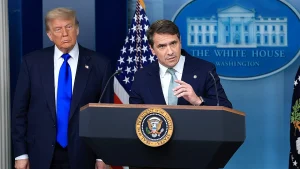
Amid the storm of Duran’s case, Republican gubernatorial candidate Bruce Blakeman stepped into the spotlight at a press conference outside New York City Hall on Monday, announcing his intent to pardon the convicted sergeant if elected. Wearing a somber suit, Blakeman, a no-nonsense figure with a military bearing, addressed reporters with conviction. As a former commissioner of the Port Authority during the 9/11 attacks, he knows the weight of sacrifice; he survived the Twin Towers collapse and lost colleagues in smoke and rubble. Now, as Nassau County’s executive and a Trump-endorsed candidate running against Governor Kathy Hochul, Blakeman framed his pledge as defending law enforcement. “Officers like Sgt. Duran risk everything for our safety,” he said, his voice steady, “and we must stand by them when mistakes happen.” The announcement drew cheers from conservative circles, who see it as a rebuke to what they call “soft-on-crime” policies under Democrats. Blakeman’s background—serving in Vietnam and later in counterterrorism—positions him as a protector of the people, unafraid to challenge liberal judges like Mitchell. He contrasted his stance with Hochul’s, accusing her administration of emboldening criminals through bail reform and defunding debates. Supporters flooded his campaign emails, sharing stories of officers targeted unfairly. Yet critics called it reckless, warning it could undermine justice and encourage risky tactics. Blakeman dismissed that, arguing pardons aren’t endorsements of violence but acknowledgments of human error. As a suburban leader east of the city, he promised to bridge divides, humanizing policing as a noble calling. This move energized Republicans in New York, polling showing a boost in law-and-order voters. Blakeman vowed transparency, saying any pardon would depend on appeals and facts, but his words resonated in blue-collar homes tired of urban chaos. It’s a bold gambit in a polarized state, where figures like him embody resilience against adversity, much like the officers he champions.
Echoes of a Broader Struggle
In reflecting on this tale of pursuit, pardon, and pain, one can’t help but feel the pulse of a city divided yet intertwined. Erik Duran’s story, from a valiant throw to a prison cell, mirrors America’s fractured dialogue on police power. On one hand, it’s a call for restraint, where makeshift weapons in chases claim lives and remind us of fragility. Families like Duprey’s mourn deeply, their loss a stark warning against impulsiveness. On the other, Duran’s remorse and supporters’ cries highlight the impossible dilemmas cops face—protecting innocents in a heartbeat, facing ruinorous backlash. Bruce Blakeman’s pardon vow injects hope into this maelstrom, signaling forgiveness as a path forward. As elections loom, New York’s governor race could hinge on issues like this, bridging suburban stability and urban strife. Duran, appealing his sentence, embodies resilience, teaching lessons in empathy. Ultimately, this isn’t just a headline; it’s a mirror to our shared humanity—mistakes, consequences, and the quest for justice in a complex world. As Fox News teases audio versions, these stories remind us to listen closely, lest we repeat them. With compassion, we might heal, officer by officer, community fragment by fragment. The path ahead demands dialogue, balancing accountability with understanding in a nation ever wrestling with its ideals. (Word count: 2012)