

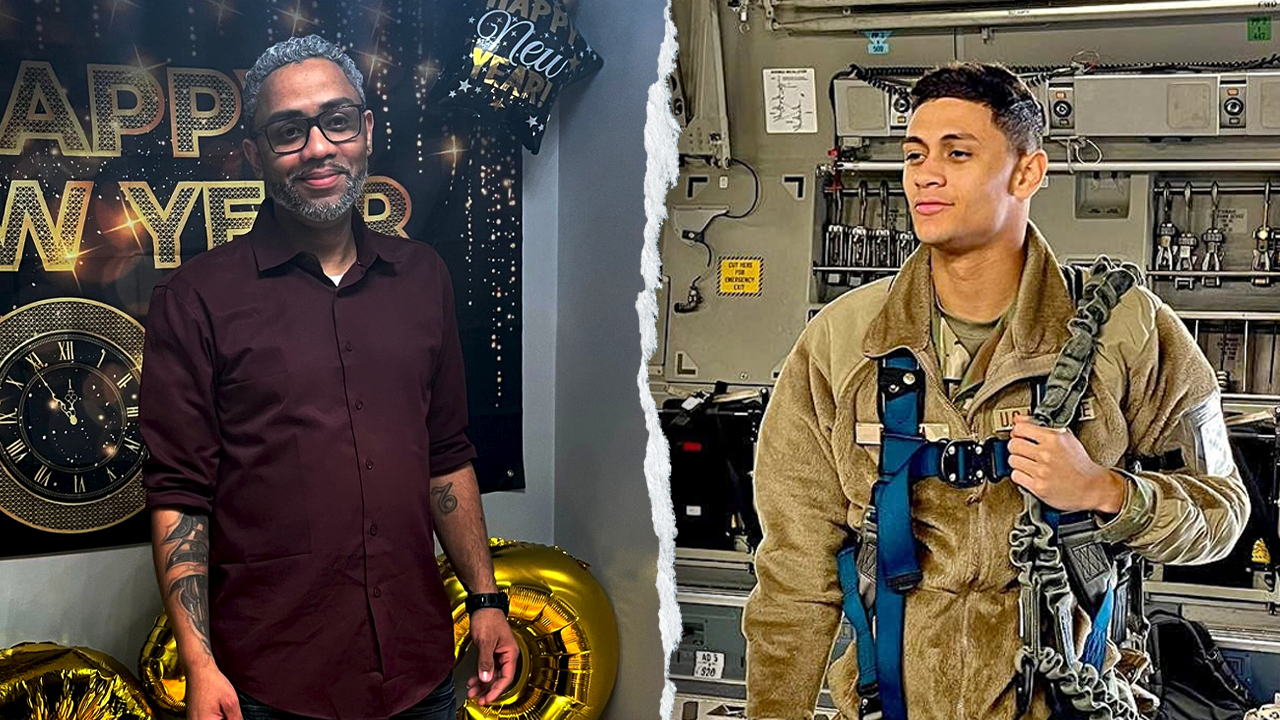
Some stories begin with a gunshot; this one begins with a funeral. In Bridgeport, Connecticut, the family of Nelson Batista had barely laid one loved one to rest before they were forced to prepare for another. On October 3, Batista’s 25-year-old son, an airman in the United States Air Force, was buried in Louisiana. Nine days later, Batista himself was killed in what police described as a random act of road rage on Park Avenue. Now, after a week-long manhunt, Bridgeport police announced the arrest of Jorge “George” Ortiz, a 57-year-old man with a felony murder conviction on his record. Ortiz was captured after a brief foot chase on Monday and now faces charges of murder, criminal possession of a pistol, and carrying a pistol without a permit. Bridgeport Police Chief Roderick Porter stood before reporters and called the shooting “a random act,” a phrase that does little to comfort a grieving family. The announcement came just hours before Batista’s funeral, a cruel collision of police work and personal loss. Batista was 48 years old, a father of six, a grandfather of three, and someone who loved sports with a particular passion for the New York Yankees. He was not a man who lived on the edge of violence; he was an ordinary person driving down a city street when a stranger’s anger turned everything upside down. His family had already known grief. Now they knew devastation.
The details of the incident are chilling, not because they are unusual, but because they unfold so quickly. Surveillance video shows Ortiz following a woman down Park Avenue, though it is unclear what connection, if any, he had with her. Batista turned his SUV down a side street, perhaps trying to get out of the way, perhaps simply going where he needed to go. Ortiz allegedly approached the vehicle and slapped his hands against the side of the car. It was a small, aggressive gesture, the kind of thing that could have ended with a word or an apology. Instead, Batista got out to confront the man. It is a decision any of us might make—wanting to know why someone is hitting our car—but it put him in the path of a handgun. Ortiz allegedly threw the first punch, and the two men fell to the ground in a scuffle. The city’s ShotSpotter system picked up at least two gunshots, and the medical examiner later determined that one bullet struck Batista in the chest. He died at a hospital before his family could gather around him. Perhaps the most haunting piece of evidence is cellphone video taken from inside a nearby vehicle. It shows the attacker getting to his feet, striking Batista in the head with the butt of a pistol, and then walking away while his victim lies motionless in the street. That final image—a man leaving another man to die as casually as if he were walking to his car—is what lingers. It turned a tragedy into something even more unsettling: the reminder that human life can be ended in seconds, not by a natural disaster or a war, but by the uncontrolled rage of a stranger with a gun.
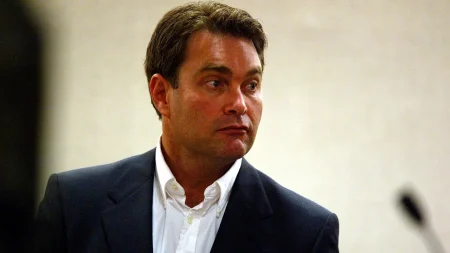
The week between the murder and the arrest was a tense one for Bridgeport. Police released what they knew and asked the public for help. The public responded. A woman who had recorded part of the incident on her cellphone gave investigators crucial footage. Other witnesses who saw the scuffle or recognized the attacker from surveillance images came forward. A detective recognized Ortiz from prior encounters, including a March arrest on misdemeanor drug charges in a case that was still pending. Another man called police and said he could identify Ortiz as the man in the photograph that had been circulating. All of these pieces came together, and on Monday, when officers spotted Ortiz, he tried to run. The foot chase was brief, and he was taken into custody without further violence. Chief Porter credited the community, and the gratitude felt sincere. In a time when so many cases go cold because no one wants to get involved, the people of Bridgeport chose to look, to remember, and to speak. They helped close a case that could have otherwise remained open, leaving a family to wonder whether the killer would ever be brought to justice. The arrest does not erase the pain, but it provides something essential: accountability. Ortiz is not just a suspect; he is a man with a history that makes this latest accusation all the more troubling. He had already done time for a felony murder conviction in 1992, receiving a 30-year sentence. He had served his time. He was off parole. He was supposedly free to live his life. And yet, according to police, he was carrying a pistol on an October morning and used it to kill a father of six.
Ortiz’s history raises uncomfortable questions that go far beyond this single case. In 1992, he was convicted of felony murder—a serious, life-changing crime that took him off the streets for decades. He eventually returned to society, as most people who are sentenced do. The criminal justice system is built on the idea that people can change, that a period of punishment can lead to rehabilitation, that a man can serve his time and walk free without repeating his past. But what happens when the system gives someone a second chance and they appear to squander it in the worst possible way? Ortiz had a pending drug case from March, which suggests he was not living a completely law-abiding life. He was still in contact with the criminal justice system, still on the fringes. That does not mean he was destined to kill again, but it does mean there were warning signs. There are always warning signs. The challenge is that they are only obvious in hindsight. Ortiz is now accused of committing a murder that no one could have predicted on a specific morning or at a specific intersection. He may have been carrying a gun illegally. He may have been fueled by decades of unresolved anger. Or he may have simply made a terrible, lethal choice in a moment of rage. The courts will decide his guilt or innocence, but the larger question remains: How do we prevent the next Jorge Ortiz from reaching that point? How do we keep convicts who have served their time from falling back into violence? There are no easy answers, only the uncomfortable reality that human beings are unpredictable, and that the line between a road rage incident and a homicide is sometimes as thin as a trigger pull.
Meanwhile, the life that was lost deserves more than an investigation summary. Nelson Batista was a man, not just a victim. His obituary describes him as a devoted father and grandfather, a sports enthusiast who loved Major League Baseball and the NFL and was especially fond of the New York Yankees. That detail matters. It tells us that he had favorite teams, that he likely hosted game-day gatherings, that he argued about the Yankees’ lineup and told his grandchildren stories about the great players of the past. He was a father of six, which means he spent years of his life taking care of other people. He knew the kind of quiet exhaustion that comes with raising a family. He also knew the deep, impossible pain of losing a child. His son, the airman, was laid to rest in Louisiana on October 3. How does a father survive that? How does he stand at the grave of his 25-year-old child and continue to live? Batista found the strength, as parents do, to keep going. He had other children, grandchildren, people who needed him. He probably thought the hardest part was behind him. He did not know that a stranger on Park Avenue would soon make his family’s grief even deeper. Nine days after burying his son, Batista was the one being buried. The symmetry is unbearable. His children now have to process two losses in the span of less than a month. His grandchildren, who are young, will have to grow up with the knowledge that their grandfather was taken far too soon, not by illness or old age, but by a sudden act of violence that no one saw coming.
There is no way to make sense of this tragedy. Road rage is one of the most avoidable forms of violence, and yet it happens every day, in every city. It begins with a honked horn, a sharp turn, a hand gesture, a slap on the side of a car. It ends, too often, with someone bleeding on the pavement. The Bridgeport Police did their job. The community did its part. Ortiz is in custody and will face the legal consequences of his alleged actions. But none of that will bring Nelson Batista back. His family will gather for future holidays with an empty chair and a broken heart. They will tell stories about the time he cheered too loudly at a game, the way he smiled, the sound of his voice. They will try to keep his memory alive in the eyes of his grandchildren, who may be too young to remember him clearly. And they will carry a sadness that never truly fades. Chief Porter said the act was random, and in a sense, it was. But it was also the result of choices—choices made by a man who chose to confront, to hit, to draw a weapon, and to fire. Those choices cannot be undone. They can only be judged. As Nelson Batista’s family lays him to rest, they deserve peace. They deserve answers. They deserve to know that the man accused of killing their father will not walk free. And they deserve to be surrounded by a community that refuses to forget. May Nelson Batista rest in peace. May his family find strength in one another. And may the rest of us, the next time we feel the heat rising in the car, remember that there is always another way—a way to drive away, to let it go, to choose life.