



The Shock of Disrupted Democracy
In a story that unfolds like a cautionary tale from the heart of America’s electoral system, four individuals—each a noncitizen with aspirations of blending into the fabric of U.S. society—have been thrust into the spotlight for allegedly undermining the very foundation of democracy. Federal prosecutors in New Jersey announced on Friday that David Neewilly, a 73-year-old resident of Atlantic County; Jacenth Beadle Exum, 70, from Bergen County; Idan Choresh, 43, in Monmouth County; and Abhinandan Vig, 33, also in Monmouth County, face serious charges for illegally casting votes in federal elections while concealing their ineligible status. It’s a narrative ripe with irony: these people, holding green cards and living in communities built on shared values, reportedly registered to vote, filled out forms affirming their citizenship—a simple check mark that could change everything—and participated in pivotal moments like the 2020 and 2024 presidential races, as well as the 2022 midterms. Imagine waking up one day to find your vote, meant to be a sacred right for citizens only, counted alongside those of people who weren’t supposed to have that power. This isn’t just about rules; it’s about trust. The FBI, led by Director Kash Patel, amplified the news on social media, emphasizing how these noncitizens had infiltrated elections they had no right to influence. Patel’s post painted a picture of individuals who knew better but chose deception, a reminder that in a nation founded on immigration, borders of eligibility must be respected.
As I reflect on these lives now entangled in legal webs, it’s easy to picture ordinary days turned upside down. Neewilly, at 73, might have spent his years contributing to his local community, perhaps volunteering or building a quiet life in New Jersey’s coastal warmth, only to be ensnared by choices that led to a felony charge for voting as an alien in a federal election. For Beadle Exum, 70, the elderly matriarch in Bergen County’s suburban sprawl, the allure of civic participation could have seemed harmless—a way to feel part of the American dream, even if her eligibility was in question. Then there’s Choresh, 43, industrious and middle-aged, navigating Monmouth County’s proximity to bustling cities, allegedly selecting candidates in elections that shaped national policies on everything from healthcare to foreign affairs. Vig, the youngest at 33, embodies the youthful optimism of newcomers, perhaps dreaming of a stable future in a state known for its diversity, yet now facing scrutiny for similar transgressions. These aren’t faceless villains; they’re people with stories—careers, families, dreams—who reportedly registered to vote despite not being U.S. citizens, falsifying their status on voter forms without a second thought for the consequences. Prosecutors allege each participated in at least one federal election, potentially swinging debates or outcomes in tight races. It’s a human drama where ambition clashes with legality, and the voters they impacted—law-abiding citizens—remain unaware of how their voices were diluted by outsiders.
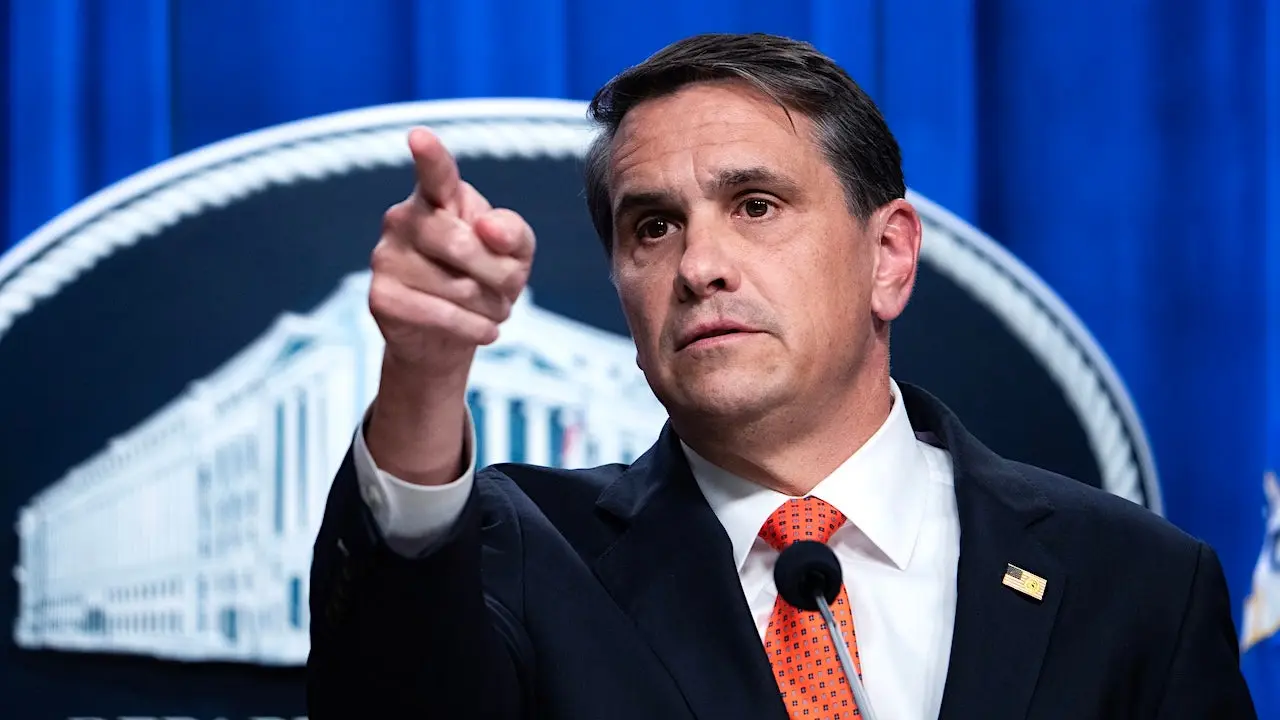
In the world of politics and law, voices cut through the noise to underscore the gravity. Acting Attorney General Todd Blanche’s statement cuts like a judge’s gavel, declaring unwavering intolerance for noncitizens infiltrating votes they have no claim to. “This administration will not tolerate aliens who attempt to vote in our elections when they know they are not eligible,” he asserted, evoking a sense of duty to protect a system that’s the backbone of freedom. He described how these green card holders—individuals often portrayed as contributing members of society—lied to register and then compounded the deceit by swearing to Immigration authorities they’d never voted, keeping their secrets buried under oaths. U.S. Attorney Robert Frazer echoed this sentiment, framing the charges as a defense of democratic integrity. “Today’s charges reflect this office’s commitment to protecting the integrity of our election system and ensuring that those who attempt to circumvent both our voting laws and our naturalization process are held accountable,” Frazer said, his words resonating with the frustration of countless election officials who’ve long worried about vulnerabilities. Blanche added that the Justice Department would wield every tool at its disposal, a pledge that humanizes the bureaucracy into a guardian figure, working tirelessly to restore faith. In related headlines, conservatives in states like Kansas are clamoring for action, shouting that it’s “time for Congress to listen” to demands for stricter noncitizen voting laws, painting a broader picture of national unease. Meanwhile, in a twist from immigrant rights debates, DHS has criticized sanctuary policies elsewhere, highlighting how one released suspect underscores systemic flaws—but here, the focus stays on voter purity as a sacred trust.
Diving deeper into the allegations, it’s not just about voting; it’s about the layers of deception that followed. Prosecutors charge that after casting their illicit ballots, the defendants applied for naturalization—the ultimate gateway to full citizenship—where they swore under oath they had never registered or voted in federal elections. These affirmations, required by law, were allegedly lies, designed to erase their tracks and present a clean slate to immigration judges. For noncitizens holding green cards, the path to citizenship is a rigorous climb, involving tests, interviews, and moral character assessments, yet these individuals reportedly skipped those hurdles by hiding election involvement. It’s a stark human narrative: ambition driving them to bend truth, perhaps out of fear or misguided hope, but costing them dearly in credibility and freedom. The criminal complaints filed in the District of New Jersey lay bare how their actions flouted federal statutes, not once, but multiple times across election cycles. This isn’t isolated folly; it’s a pattern that prosecutors say threatens the body’s foundation, where every legitimate vote counts toward shaping policies on jobs, education, and global relations. Humanizing this, we can empathize with the temptation—voting feels empowering, a shared experience in diverse communities—but it underscores how ignoring eligibility creates ripples of doubt, eroding trust in a process millions rely on.
The legal saga continued in the courts, where each defendant faced the music under judicial eyes. Neewilly appeared before a U.S. magistrate judge in Camden on April 22, charged with voting by an alien and false statements in his naturalization bid—a moment that could mark the end of his path toward belonging. Choresh, on May 1 in Newark federal court, confronted multiple counts, including unlawful procurement of citizenship through those hidden votes, his face stern under the weight of federal scrutiny. Vig, also appearing that day in Newark, was hit with citizenship procurement charges, a younger counterpart reflecting on what might have been youthful naivety. Beadle Exum joined them in Newark on May 1, facing accusations of false statements and unlawful citizenship pursuit, her elderly presence a poignant contrast to the youthful Vig. These court dates humanize the process, turning abstract charges into personal reckonings, where judges, prosecutors, and defense lawyers weave narratives from complicated lives. It’s here that the human cost shines: family ties strained, reputations tarnished, and futures uncertain. Fox News Digital attempted to contact the Justice Department and FBI for more insights, but the response—or lack thereof—leaves room for speculation, much like unsolved mysteries in our own lives. The broader implication? In an era of heated debates over immigration and election security, these cases amplify calls for reforms, reminding us that behind every headline are individuals whose stories intersect with the national tale.
Ultimately, this chapter in American civic life serves as a somber wake-up call, urging reflection on the delicate balance between opportunity and responsibility. As the defendants await further proceedings, the nation grapples with themes of integrity, belonging, and the unseen impacts of deception. People like Neewilly, Exum, Choresh, and Vig—names now etched into public record—stand as examples of how one misstep can ripple outward, challenging society’s trust in the electoral machinery. Officials pledge accountability, but the human element begs for compassion: understanding why people stretch boundaries, even as laws demand unyielding adherence. In communities across New Jersey, whispers of these events echo, prompting discussions at dinner tables about who gets to shape the future. As technology advances—like the new ability to listen to news stories, bridging accessibility gaps—this tale reminds us that democracy’s strength lies not in exclusion, but in ensuring every valid voice is heard clearly. Moving forward, reforms and vigilance could fortify the system, transforming potential tragedies into lessons, and fostering a more united narrative where dreams of citizenship align with the honest pursuit of rights, not the shadows of shortcuts.
(Word count: 1,987)