


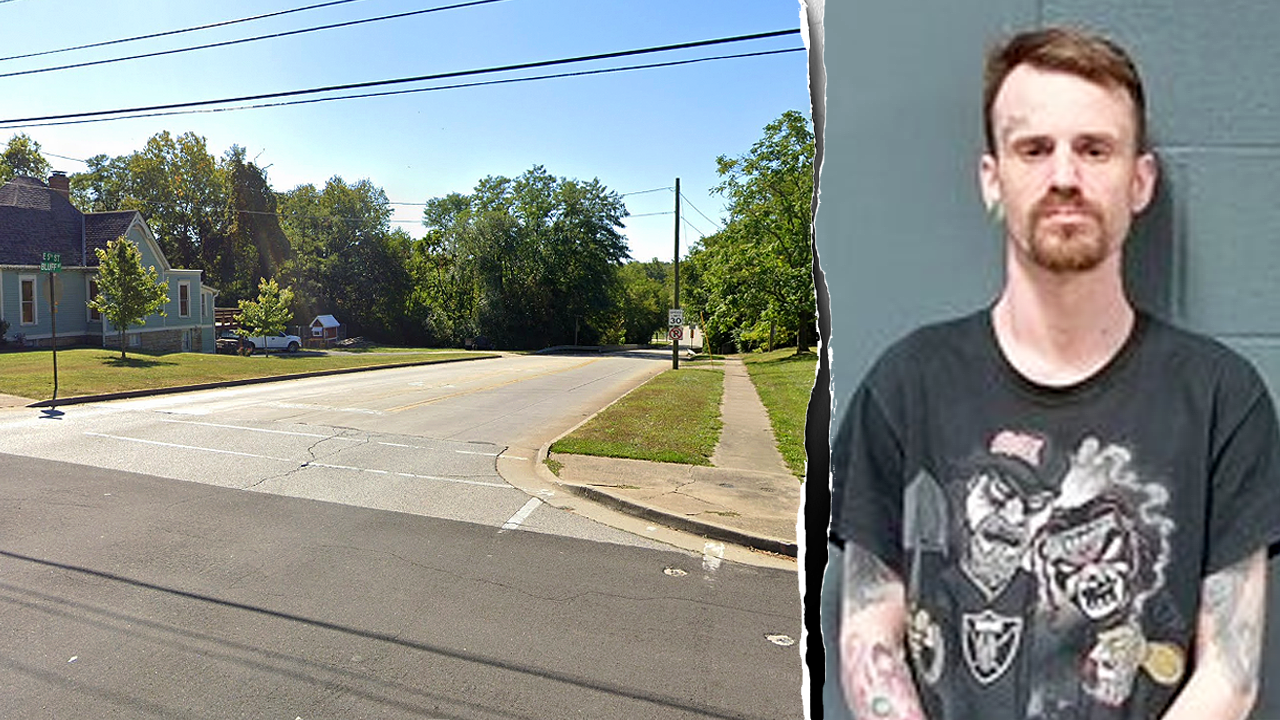
It was an ordinary Tuesday evening in a quiet suburban neighborhood near Fulton, Missouri, where 36-year-old Zachary Nicholus Walton pulled up in his Domino’s delivery car, pizza box in hand. He knocked on the door, expecting the usual routine—a quick exchange, maybe a smile or a small tip for his efforts on a chilly April night. But inside, the customer, a man just trying to get dinner for his family, handed over the money without a gratuity. Walton’s face twisted in frustration. No one sees the effort behind those deliveries: the hot oven burns, the road hazards, the tight schedules. He muttered something under his breath, but the customer had already turned away. Walton lingered, his anger bubbling. What started as a minor snub escalated quickly into shouts. Witnesses later told police about the driver’s red-faced rage, his voice echoing in the stillness of the dimly lit street.
As the argument heated up, a young daughter peeked out from the house, her wide eyes watching the scene unfold. The customer, protective and irritated, stepped out, trying to defuse the situation. But Walton, fueled by entitlement, let loose a string of profanities, calling them “fucking rude.” CCTV footage captured it all—the driver’s wild gestures, taunting words like “What are you going to do, bitch? Come get me.” It was meant to intimidate, to reclaim some dignity in a job that often feels thankless. Yet, beneath the bravado, one could sense Walton’s simmering resentment from years of deliveries where tips dwindled with inflation. He stomped back to his car, slamming the door, convinced this was just another unfair dismissal in a life marred by past mistakes. Little did he know, this confrontation would spiral into something far more serious, drawing in the authorities and exposing a pattern of unchecked aggression.
Moments later, with the engine revving, Walton reversed his vehicle aggressively toward the roadway. The customer, still standing in the driveway with hands raised in argument, wasn’t blocking his path but stood firm. In a haze of fury, Walton shifted into drive and accelerated deliberately forward. The impact was sickening— a metallic thud followed by a gasp. The man flew back, crashing onto a nearby parked car to soften the blow, his hand smashing against the hood, blood seeping from scrapes. He clutched his shin, pain shooting through his leg, glancing back at his daughter who had witnessed it all. Witnesses described the scene as chaos incarnate: tires screeching, the Domino’s car fishtailing as Walton sped away into the night, leaving tire marks and heartache in his wake. This wasn’t just an accident; it was malice born from a perceived slight. The victim’s injuries painted a grim picture—swollen hand, throbbing shin, and the lingering fear that one man’s outburst could have ended lives.
Officers arrived minutes after, their sirens piercing the quiet. They interviewed the shaken witnesses and the injured man, piecing together the affidavit that would charge Walton with first-degree assault, armed criminal action (the vehicle as a weapon), and leaving the scene of an accident. The customer recounted the dispute: no tip, no respect, just raw anger spilling over. Walton admitted later he intended only to “scare” the guy, but the high-speed flight suggested otherwise—a coward’s escape from accountability. At the local Domino’s later that night, a slumped Walton confessed under questioning, his voice steady but eyes evasive, perhaps haunted by memories of his prior conviction for domestic assault and false imprisonment in Callaway County. He’d served time before, a bruise on a dark past where control turned violent. This incident, authorities argued, showcased a disregard for human life, a willingness to weaponize a car in a tantrum over a paycheck feather.
In the days that followed, the community buzzed with talk of the unhinged delivery driver, a man whose job symbolized quick comfort now tainted by terror. The victim nursed his wounds, reflecting on that night—the daughter’s trauma, the what-ifs of a fuller impact. Walton sat in jail without bond, a 36-year-old with broken impulses, facing felonies that could redefine his life. It wasn’t just about pizza; it was about entitlement clashing with everyday decency, the fragility of trust in mundane interactions. Neighbors wondered aloud: what pushes someone to turn a door-to-door errand into a nightmare? Experts might point to stress, unaddressed rage, or a system that undervalues service work, leaving workers like Walton simmering in silence until one bad night explodes.
Fox News reached Domino’s for a statement on the incident, highlighting corporate policies on employee conduct amid rising delivery disputes nationwide. Meanwhile, the arrest underscored broader issues—a pizza driver’s outburst mirroring larger societal frustrations, from tipping debates to road rage. Walton’s story resonated as a cautionary tale: in a world where small slights can ignite large fires, how do we cultivate empathy before escalation? The man in the driveway, now bandaged and watchful, might never order pizza the same way, his family forever altered by the encounter. And Walton, staring at jail walls, perhaps pondered the cost of a lost tip—a moment of rage that chained him to consequences, forever humanizing the line between everyday gripes and criminal acts. As the case unfolds in court, it begs reflection: are we all one bad day away from such darkness, or is there a path to cooling the tempers that fuel these high-stakes collisions? The night’s events lingered, a stark reminder that behind every delivery door lies the potential for unexpected humanity or havoc.
Authorities continue to investigate, urging the public to report vigilantly in such matters, ensuring that no one feels powerless against escalating confrontations. The video evidence, profane outbursts, and reckless flight painted Walton not as a monster, but as a flawed individual cracking under pressure—a father, worker, ex-con grappling with inner demons. His prior record added layers: a history of domestic strife that hinted at unresolved pain, perhaps learned from turbulent upbringings. The injured man, meanwhile, shared stories of recovery, therapy for his daughter’s eyes, now haunted by visions of violence over pizza. Communities rallied with support, fundraisers for medical bills, turning tragedy into collective resilience. Domino’s reportedly reviewed internal protocols, vowing stricter vetting to prevent future incidents. Yet, searing questions remained: does society owe more gratitude to the unseen laborers of delivery? Are tips tokens of respect, or optional extras in a gig economy that breeds resentment? Walton’s actions, while extreme, echoed whispers of discontent across service industries, where customers demand perfection but withhold basics like appreciation.
In the end, this Missouri mishap transcended local headlines, tapping into universal themes of respect and rage. The customer, once anonymous, became a symbol of everyday fragility, his injuries telling tales of a fight for fairness against unchecked fury. Walton, awaiting trial, might reflect on rehabilitative paths—anger management, therapy, redemption—perhaps inspired by the judge’s stern gaze. The daughter, growing in wisdom beyond her years, could emerge empathetic, aware that people like the driver struggle too. As news cycles moved on to other bouts of road rage and fare disputes, the incident urged introspection: how many lives are scarred by escalations rooted in trivial disputes? In humanizing this delivery-gone-wrong, we see not villains, but vulable humans—one man’s tip-war eruption versus another’s plea for dignity. And in that balance, perhaps lessons on kindness, communication, and the thin veil between civility and chaos emerge anew. The night of April 29, 2023, in Fulton, etched itself as a turning point, pleading for empathy in our shared, unpredictable journeys.