



The Elusive World of Knockoff Dreams
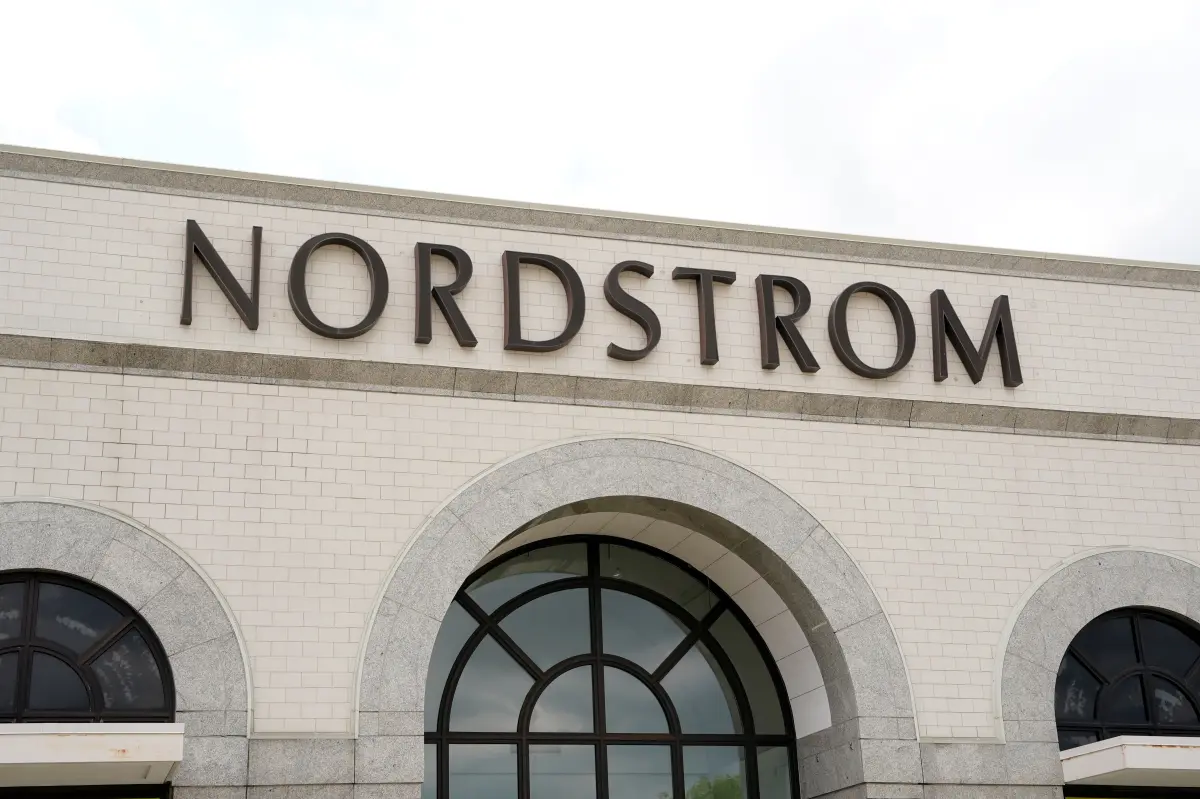
In the glittering aisles of a upscale mall in Glendale, California, a seemingly ordinary retail transaction ignited a storm of suspicion that would unravel a years-long conspiracy of deception. Picture this: it’s February 2026, and under the bright lights of The Americana at Brand, a Nordstrom employee named Elena Ramirez, who’d been working the luxury goods counter for over a decade, scanned what appeared to be just another customer return. The item? A sleek Yves Saint Laurent handbag, priced at nearly $3,000. But something felt off. The stitching wasn’t quite right, the leather lacked that supple authenticity. It was a forgery, a cheap imitation masquerading as the real deal. Elena, with her keen eye honed from countless interactions with fashion-forward shoppers, flagged it immediately. Little did she know, this single moment would crack open a fraud scheme that had been silently siphoning money from one of America’s premier retailers, costing Nordstrom upward of $300,000 in fraudulent refunds. The suspects? Two local residents, Arpineh Sarkisian and Argin Gharapetian, living what seemed like quiet lives in the San Fernando Valley suburb of Glendale. Sarkisian, in her early thirties, was often seen as the brains behind the operation—a sharp, ambitious woman with a background in retail management, who’d perhaps grown disillusioned with legitimate opportunities. Gharapetian, her partner in crime and reportedly her boyfriend, handled the logistics, his technical savvy shining through in the meticulous online reselling of genuine goods. Their scam stretched back to 2019, a period marked by the global pandemic’s chaos, when luxury retail was booming online yet vulnerable to exploitation. It was a classic bait-and-switch: buy authentic items from Nordstrom’s website or in-store, then return convincing counterfeits for full refunds. Elena’s discovery wasn’t just about one bag; it revealed a pattern of over 224 suspicious transactions, a web of deceit that police say involved everything from Gucci shoes worth over $1,000 to high-end cosmetics and designer clothing. As the investigation deepened, investigators pieced together how the duo had built an empire on fakery, exploiting the trust shoppers place in big-chain returns policies. Sarkisian and Gharapetian reportedly lived modestly in a two-bedroom apartment, but whispers from neighbors suggested a hidden lifestyle of late-night deliveries and secretive pickups. One resident recalled seeing Gharapetian loading boxes into a nondescript sedan at odd hours, mumbling something about “inventory.” The human element here is chilling: these weren’t cartoonish villains but ordinary people, perhaps driven by dreams of easy wealth in a society obsessed with status symbols. Nordstrom’s losses piled up silently, eroding profits that could have gone toward fair-wage employee bonuses or community programs. Elena’s role became pivotal; she testified in early affidavits about the red flags—the mismatched serial numbers, the subpar materials—that screamed counterfeit long before the formal probe. By April, the case had escalated, with police raiding the suspects’ home and uncovering a treasure trove of evidence. The raid on April 22 was dramatic: Glendale detectives, armed with a search warrant, breached the door to find rooms crammed with authentic designer tags, packaging, and even partially assembled fakes. Forensic teams later confirmed links to online marketplaces where stolen goods resurfaced, underscoring how the scam fed into broader e-commerce fraud. Humanizing this tale means acknowledging the ripple effects: employees like Elena who prevent such crimes from spiraling further, and consumers who unwittingly contribute by demanding fast refunds in an age of instant gratification. Nordstrom, a titan in retail, must now grapple with vulnerabilities in their system, perhaps tightening digital verifications or staff training. Sarkisian and Gharapetian’s story isn’t just about greed; it’s acautionary tale of how ambition can twist into deceit, preying on symbols of aspiration that define American luxury. As the investigation continues, one wonders if this pair ever paused to consider the real victims—the hardworking artisans behind brands like Yves Saint Laurent, whose creations are debased by knockoffs. In the end, Elena’s sharp instincts remind us that vigilance in everyday moments can dismantle empires of illusion. The scam’s unraveling also highlights the broader strain on retailers, where fraud detection technology lags behind scammers’ creativity. Readers might relate to the adrenaline of a good deal, but this exposure serves as a sobering check on the ethics of our shopping habits. Stay tuned for updates as authorities delve deeper into digital trails and financial footprints, potentially linking this to larger fraud networks. For the latest in investigative journalism and local stories, download The California Post App, where we bring you real voices and unfiltered truths.
Diving into the Depths of Deception
To truly humanize this story of retail fraud, let’s step into the shoes of Arpineh Sarkisian, the alleged mastermind whose life seemed deceptively normal on the surface. At 34, Arpineh grew up in a family of Armenian immigrants, chasing the American dream through education and work ethic. She landed a job at a local boutique in her twenties, handling high-end clothing and dreaming big. But economic pressures—rising living costs in Glendale, a desire for nicer things—pushed her toward risky shortcuts. Paired with Argin Gharapetian, a tech-savvy 36-year-old with a background in logistics from a family-owned import business, they formed an unlikely duo. Argin, described by acquaintances as quiet and computer savvy, allegedly engineered the logistics: ordering items online using stolen or fabricated accounts, coordinating drop-offs, and reselling authentics on platforms like eBay or Facebook Marketplace. Their operation was methodical, almost poetic in its symmetry—each purchase a brushstroke in a larger forgery. They targeted Nordstrom for a reason: its extensive online and in-store presence, coupled with a generous return policy, made it ripe for exploitation. Authorities allege they made over 224 purchases, amassing fortunes in items like Yves Saint Laurent handbags (retail $2,795) and Gucci loafers (over $1,000 a pair), totaling potential losses exceeding $300,000. Imagine the thrill for them: sneaking into a mall store with a counterfeit bag, nonchalantly returning it while chatting up staff, pocketing the full refund minus a restocking fee. Or coordinating shippings to Nordstrom’s distribution centers, where items were “returned” remotely, avoiding in-person scrutiny. One police report details how they’d purchase authentic goods from Nordstrom’s site using prepaid cards, then return fakes sourced from overseas suppliers in China, where manufacturing knockoffs is big business. The economics were clear: a $3,000 bag could net them nearly the full amount back, with the real item sold for 70% value on secondary markets to eager buyers unaware of its provenance. Sarkisian reportedly sourced these fakes through dark web contacts or underground networks, packaging them meticulously with original tags swapped from the genuine purchases. It wasn’t just about money for Arpineh; interviews with former colleagues paint her as aspirational, posting glamorous lifestyle photos on Instagram that masked her mounting debts. Yet, cracks appeared—late nights spent in a home office, surrounded by boxes of merchandise. Argin’s role was more behind-the-scenes: he allegedly set up VPNs and fake IDs to shield their activities from prying eyes. The scheme’s longevity hinged on patience; they spaced out returns to avoid suspicion, focusing on high-value items that retailers audit less stringently. But human error betrayed them: that fake Yves Saint Laurent bag at The Americana at Brand in February 2026 triggered alarm bells for employee Elena Ramirez. She noticed discrepancies not just in quality, but in the customer’s demeanor—Arpineh, who’d frequented the store, seemed unusually nervous. This led to Nordstrom’s internal audit team reviewing transaction logs, uncovering patterns tied to Sarkisian and Gharapetian’s IP addresses and purchase histories. The investigation revealed a psychological underbelly: perhaps driven by Instagram envy or economic disparity in a valley known for its wealth gap, the pair saw luxury goods as portals to success. Neighbors remembered them as friendly, though reclusive; one mentioned barbecues where Arpineh talked passionately about fashion’s power to elevate lives. As losses mounted—police estimate at least $50,000 in confirmed fraudulent returns, with projections over $300,000 including undetected ones—the scam’s human cost reverberated. Nordstrom employees faced heightened scrutiny, and loyal customers questioned the authenticity of sales. For Sarkisian and Gharapetian, the thrill of outsmarting a giant morphed from excitement to paranoia, as surveillance footage captured their returns. Their arrest on April 22 came after a raid that confiscated caches of items, crippling their operation. This subplot in the grand narrative of American consumerism reminds us that behind every logo is a story of ambition gone awry, fueled by a system that values appearance over substance. As the probe expands, it uncovers strains on small-scale vendors impacted by resold fakes, and highlights potential connections to international counterfeit rings. For more riveting tales from California and beyond, follow The California Post on Facebook and Instagram, where we connect real people to real issues.
The Art of the Switch: Purchases, Returns, and the Human Toll
Let’s flesh out the mechanics of this scam, turning a dry recounting into a vivid chronicle of cunning and consequence. Argin Gharapetian, with his logistical genius, allegedly orchestrated the bulk of the acquisitions: using fake accounts or prepaid cards, he’d order from Nordstrom’s e-commerce platform, selecting items like high-end cosmetics from brands such as NARS or Tom Ford, valued in the hundreds. These purchases weren’t random; they were strategic, targeting seasonless staples that could be easily swapped—handbags that look the same front-facing, shoes in classic styles. For instance, a $1,200 Gucci sneaker pair was a favorite, as its tooling could be meticulously mimicked by counterfeiters abroad. Authorities claim they amassed over 224 such transactions since 2019, a period when online shopping surged post-COVID, allowing deliveries to go unnoticed amid the freight boom. Sarkisian, the face of the operation in public, would often handle in-store returns at spots like The Americana at Brand, charming store associates with tales of wardrobe mishaps or gifts that didn’t fit. She’d present the fake item, complete with swapped tags from the authentic one—tags she’d meticulously preserved after repackaging. For remote returns, Gharapetian would ship via Nordstrom’s own prepaid labels, exploiting the trust in their distribution hubs. The returns were seamless, yielding full refunds minus minor fees, funneling money back into their accounts for reinvestment. But the human side emerges in the aftermath: the duplicitous thrill gave way to stress, as they juggled reselling the real goods online. Police reports detail how authentics ended up on marketplaces, sold at deep discounts to unsuspecting buyers who believed they were scoring deals. One buyer, interviewed anonymously, recalled purchasing a “gently used” Yves Saint Laurent bag on Facebook for $800, only to discover flaws upon close inspection—perhaps a subconscious inkling of fraud. The toll on retailers was staggering, with Nordstrom estimating losses over $300,000, impacting not just profits but employee morale. Staff like those at Glendale’s Nordstrom faced a barrage of returned fakes, straining inventory and trust in the brand. For the perpetrators, the scheme was addictive; Sarkisian’s social media hinted at newfound luxuries—a designer watch here, a vacation trip there—that betrayed their origins. Yet, whispers from associates suggest guilt gnawed at them, with Argin admitting in a co-worker’s overheard chat about the risks. Detectives, piecing evidence together, found a home laden with remnants: packaging boxes, designer dust bags, and tools for recreating labels. This wasn’t just theft; it was an assault on creativity, as artisans from Milan to Paris saw their work degraded by playful counterfeits. The scam’s scale hints at broader issues—weak links in global supply chains, where borderless e-commerce invites fraud. Humanizing it, we see Arpineh as a flawed protagonist, perhaps victimized by socioeconomic pressures, channeling her retail savvy into subversion. Gharapetian, the enabler, might have seen it as a game, but the game’s stakes rose with each return. Their downfall at The Americana, flagged by employee Elena, mirrors countless unnoticed deceptions in daily commerce. As investigations reveal patterns in transaction data, it prompts reflection on consumer culture’s pitfalls. For immersive coverage of scams, fraud, and resilience, subscribe to The California Post newsletters and get alerts on TikTok and X.
Unearthing the Evidence: Raids and Revelations
The turning point arrived on April 22, 2026, in a tense dawn raid that humanized the investigators’ determination and the suspects’ downfall. Glendale Police detectives, led by a seasoned fraud unit commander named Sgt. Maria Gonzalez, executed a search warrant at Sarkisian and Gharapetian’s modest Glendale home. Whispers of suspicion had lingered since that flagged return in February, but the raid solidified the case, transforming suspicions into tangible proof. Officers entered to find a scene straight out of a detective novel: rooms transformed into makeshift warehouses, crammed with designer merchandise. There lay stacks of authentic tags and packaging—sourced, police allege, from genuine purchases—mingled with cheap knockoffs sourced from illicit suppliers. Boxes of Yves Saint Laurent and Gucci items, some partially disassembled for parts, showcased the surgical precision of their operation. Among the cache were laptops humming with digital trails: eBay listings for resold goods, VPN logs obscuring IP addresses, and fraudulent return labels. Sgt. Gonzalez, a mother of two with a passion for justice rooted in her immigrant background, described the find as both shocking and validating. “It wasn’t just about the money; it was about shattering the illusion of trust,” she later told reporters. The evidence painted a portrait of a duo entangled in a web of deceit, with items likely resold online for quick cash to fund their lifestyle. forensics teams analyzed serial numbers, linking fakes to patterns in Nordstrom’s logs, confirming over 224 targeted transactions. Human touches emerged—personal photos of Arpineh with luxury trappings, a journal chronicling “successful” returns—that added emotional depth to the dossier. The raid’s impact rippled outward: neighbors watched in awe, recalling Argin’s “business” as suspicious late-night comings and goings. Nordstrom’s recovery team corroborated, identifying $50,000 in confirmed fraudulent returns, with potentials ballooning to $300,000 as undetected ones surfaced. This wasn’t isolated; it connected to a wider underworld of counterfeit markets, where Glendale’s proximity to LA’s ports facilitated imports. For Sarkisian, an Armenian-American in her prime, the discovery must have been a gut punch—her aspirations of upward mobility crumbled under piles of pilfered prestige. Gharapetian, the tech whiz, saw his anonymity shattered by digital forensics. The human angle lies in empathy for the investigators, who balance bureaucratic hurdles with personal drive for closure. Sgt. Gonzalez shared how cases like this evoke memories of her own family’s struggles, fueling her resolve. As the probe continues, linking to larger networks, it underscores e-commerce’s vulnerabilities. To stay informed on such real-time investigations, download The California Post App for breaking news updates.
Arrest and Accountability: Facing the Music
With evidence mounting like a crescendo, Arpineh Sarkisian and Argin Gharapetian’s arrest on April 24, 2026, marked a somber chapter in their story, blending justice with the raw humanity of public reckoning. Flanked by Glendale detectives in handcuffs, they appeared in court for arraignment, charged with felony grand theft, receiving stolen property, and theft by false pretenses—accusations carrying up to ten years in prison each. Sarkisian, dressed in street clothes rather than the luxury garb of her Instagram posts, looked resolute yet weary; Gharapetian, head bowed, avoided eye contact, perhaps grappling with the betrayal of a shared dream turned nightmare. Their next court date, set for August 31, looms as a point of reckoning, with prosecutors promising a robust case built on raid findings and transaction data. Public court documents reveal details that humanize the infraction: messages via encrypted apps coordinating returns, invoices for counterfeit sourcing, all painting a narrative of careful planning eroded by hubris. Neighbors and former associates expressed shock; one friend of Sarkisian’s described her as “brilliant but misguided,” driven perhaps by the Valley’s pressure-cooker success myths. Gharapetian was seen as the quieter accomplice, his skills in logistics now a liability. The charges reflect not just monetary loss to Nordstrom—exceeding $300,000—but the erosion of societal trust. Retailers nationwide face similar fraud, from return scams to organized theft rings, costing billions annually. Humanizing this, we consider rehabilitation: Sarkisian, with a background in fashion, might reinvent herself through legal channels; Gharapetian could leverage his tech know-how ethically. But the sting resonates—victims like Nordstrom employees endure scrutiny, and unwitting buyers receive compromised goods. As the case unfolds, it prompts discussions on tougher laws for e-fraud. Sgt. Maria Gonzalez emphasized the human element: “These are people with choices, and accountability matters for rebuilding community faith.” The ongoing investigation hints at collaborations with federal agencies, potentially unveiling ties to international counterfeit empires. For court updates and opinion pieces on justice reform, follow The California Post Sports on YouTube and WhatsApp.
Lingering Shadows: The Investigation’s Horizon and Broader Implications
As the curtain draws on this tale of counterfeit chicanery, the investigation into the Nordstrom scam remains open-ended, its threads weaving into larger societal tapestries of ethics, economy, and aspiration. Authorities in Glendale and beyond continue probing digital footprints, interviewing sources from online marketplaces where Sarkisian and Gharapetian’s resold goods resurfaced, and collaborating with Nordstrom’s legal team to quantify damages—now standing at confirmed $50,000 fraudulent returns, with projections soaring over $300,000 as similar patterns emerge in sister cases. This isn’t just a local exploit; it mirrors global fraud trends, where counterfeit goods flood markets, undermining jobs in legitimate manufacturing from Italy’s fashion hubs to U.S. distributors. Humanizing the aftermath means spotlighting Nordstrom’s path forward: investing in AI-driven return verification, training staff like the vigilant Elena Ramirez, and advocating for policy changes in e-commerce regulation. Customers, too, bear a lesson—scrutinizing online deals to combat unwitting complicity in crime. For the suspects, life post-arrest entails uncertainty: possible plea deals or trials that could redefine their livelihoods, with public records hinting at prior minor infractions that escalated. Arpineh Sarkisian, once poised for retail success, now navigates the corridors of justice; Argin Gharapetian confronts the fragility of digital anonymity. Community responses vary—from outrage over wasted public resources to empathy for underlying inequalities that breed such schemes. This case sparks broader dialogue on consumerism’s dark side, where icons of luxury become battlegrounds for ambition. As we close this narrative, remember, vigilance pays: one employee’s observation dismantled a web. For ongoing coverage, subscribe to The California Post newsletters and catch us on LinkedIn and X. Download The California Post App for immersive stories, and sign up for home delivery to keep our voices alive in your world. Home delivery sign-up here; opinion pieces on Page Six Hollywood at this link. Let’s stay connected in this evolving saga.