






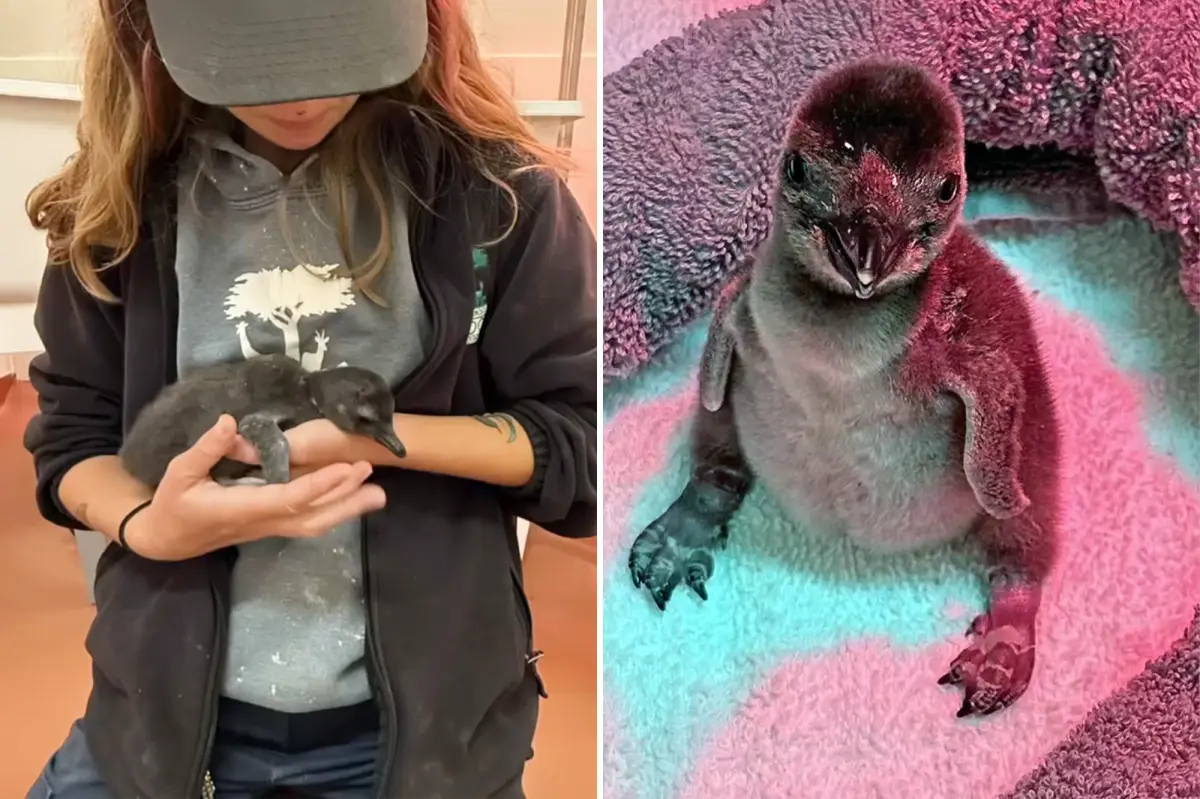
There is a quiet, almost sacred magic that settles over the San Francisco Zoo during the early hours of the morning, just before the gates swing open to the public and the bustling energy of the Bay Area rushes inside. Recently, that early-morning serenity has been punctuated by a delightful, long-awaited sound echoing from the depths of the avian department: the high-pitched, enthusiastic squeaks and tiny, melodic peeps of three newly hatched Magellanic penguin chicks. Born in mid-May, these fragile, charcoal-colored bundles of soft down represent a monumental milestone for the local zoological community, marking the first time in several years that the facility has welcomed new penguin babies. These flightless marine birds, natively adapted to the breezy, rugged shorelines of coastal Chile and Argentina, have found a vital sanctuary here. The arrival of these chicks has injected an infectious wave of hope and joy throughout the entire zoo, transforming the quiet nursery into a sanctuary of busy, loving energy. For the dedicated staff, who have spent years managing and caring for the adult colony, the soft, rhythmic chirping of these four-week-old infants is a beautiful reminder of the endless, beautiful cycle of life and renewal. It is a triumphant moment, not just for the keepers who have dreamed of this day, but for conservationists everywhere who understand that every single penguin hatchling is a precious victory for a species facing ever-increasing ecological challenges in the wild. To hear these tiny voices rising together in the nursery is to witness a quiet rekindling of life, a sensory experience that grounds the heavy, complex work of wildlife preservation in pure, unadulterated heart and genuine human connection.
Inside the cozy sanctuary of the penguin nursery, the scene is nothing short of a heartwarming, meticulously designed wonderland aimed at providing the absolute best start in life for these three fragile souls. Visitors peering in would immediately notice a soft, comforting red glow bathing the entire space, emanating from specialized overhead heat lamps. This crimson light plays a vital physiological role, acting as a surrogate sun that keeps the chicks’ delicate bodies at a stable, warm temperature while they slowly shed their baby down and grow in the dense, insulating feathers required for their eventual outdoor adventures. Beneath this protective light, the nursery floor is arranged with incredible tenderness, mimicking the natural sanctuary of a wild nest built into the South American cliffs. Zookeepers have hand-crafted miniature artificial burrows using rolled-up plush towels, which provide soft, supportive boundaries that simulate the reassuring physical pressure of a parent’s warm body. To ensure the chicks do not feel lonely or isolated, they are surrounded by giant, stuffed-animal penguins that act as silent, cuddly guardians and comfortable pillows for the babies to snuggle against. The stuffed animals, soft-eyed and fuzzy, act as structural anchors that help the babies feel secure in their artificial home. As the young birds grow stronger, more active, and progressively better at regulating their own body heat, caretakers will slowly and carefully raise the lamps higher to cool the nursery room down. This gradual cooling process is a vital developmental bridge, gently hardening the chicks’ bodies and preparing them for the crisp outdoor air and the warmer summer nights they will experience later this season.
While parent-rearing is often the ideal scenario in the animal kingdom, the zoo made the highly calculated, compassionate decision to hand-rear this specific trio to guarantee their survival and long-term health. Brice Smith, the zoo’s passionate assistant curator of birds, explained that because several years had passed since the colony last bred, the current generation of potential adult parents lacked the necessary nesting experience to safely manage such delicate, newborn offspring. In the wild, first-time penguin parents frequently struggle with the complex logistics of incubation, feeding, and protection, often leading to tragic outcomes for their first clutches. To eliminate these risks, the zoo’s heroic avian staff stepped in to serve as surrogate parents, dedicating themselves to a grueling, round-the-clock husbandry schedule that began the very second the first tiny beak pierced its shell in mid-May. Hand-rearing newborn penguins is an exhaustive labor of love, requiring nearly 24-hour monitoring during those critical early weeks when the babies are at their most vulnerable. Keepers work in continuous shifts, hand-feeding the chicks a specialized, highly nutritious dietary formula—blending a rich, custom slurry of fresh herring, krill, essential vitamins, and warm water—checking their body temperatures, cleaning their delicate skin, and carefully cataloging their growth rates down to the single gram. This deep level of human commitment creates an extraordinary, heartwarming bond between keeper and chick, demonstrating the lengths to which these wildlife professionals will go to wrap these tiny creatures in a safety net of pure devotion.
To fully understand the weight of this success, one must look at the rich and storied history of the San Francisco Zoo’s Magellanic penguin conservation program. Since the 1980s, the facility has held a prestigious historical pedigree, hatching between two and five healthy chicks annually for decades, firmly establishing itself as a beacon of hope for the species. However, modern zoological breeding is a highly strategic, scientifically rigorous endeavor governed by strict regulations from the Association of Zoos and Aquariums (AZA). As zoo curator Quinn Brown explained, breeding programs are never run on a whim; instead, they are carefully orchestrated to maintain genetic diversity and prevent overrepresentation of certain bloodlines within accredited North American facilities to avoid genetic bottlenecks. For several years, the SF Zoo was required to halt its breeding efforts to allow other institutions’ genetic pools to catch up and ensure a healthy, genetically diverse captive population continent-wide. The opportunity to resume breeding finally arose following the natural, bittersweet passing of a few of the zoo’s older, long-term resident penguins, which freed up both physical space and genetic permissions within the colony. Today, the San Francisco Zoo is celebrated as having the single most successful Magellanic penguin breeding colony in any AZA facility, making this successful triple-hatching a proud continuation of their decades-long legacy of world-class wildlife management and conservation leadership.
For now, eager zoo visitors will have to wait just a little longer to meet the new celebrities face-to-face, as the chicks must remain behind closed doors to focus on their emotional growth, socialization, and physical development. The next major milestone on their horizon is perhaps the most exciting and critical of all: learning how to swim. Despite being world-class swimmers by nature, young penguins do not instinctively know how to handle deep water, nor do they possess the waterproof coats required to keep them dry and buoyant from birth. If a fluffy chick fell into a deep pool, its absorbent baby down would quickly waterlog, pulling the bird under and causing severe hypothermia or drowning. Therefore, as Brice Smith described, the keepers must wait until the chicks have completely shed their baby fluff and grown their sleek, waterproof juvenile plumage before introducing them to the water. Swim school is a gentle, step-by-step process that starts in shallow, custom-built training tubs where the chicks can safely build up their muscle strength, practice floating, and learn how to use their powerful flippers to steer. Under the watchful, encouraging eyes of their human lifeguards, they will gradually build the confidence and athletic endurance needed to navigate deeper waters, transforming from awkward, balance-challenged land-dwellers into the incredibly fast, agile underwater rockets they were born to be, splashing playfully as they discover the joy of buoyancy.
The magnificent grand finale of this tireless caregiving journey is set to unfold later this summer, when the public will finally get their first, long-awaited chance to see the trio in action during a beloved annual tradition: the ceremonial “March” to Penguin Island. This spectacular event serves as the official graduation day for the hand-reared chicks, drawing throngs of cheering, camera-wielding visitors who line the pathways to watch the young birds take their very first public steps out into the wider world. The parade route leads them directly to Penguin Island, a sprawling, state-of-the-art outdoor habitat that features one of the largest and most vibrant gatherings of Magellanic penguins anywhere in North America. For the exhausted but deeply proud zookeepers who have poured their hearts, souls, and countless sleepless nights into raising these three precious birds, watching them waddle confidently down the pathway and plunge into the sparkling pool alongside the adult colony is an incredibly emotional, tear-inducing experience. It represents the beautiful culmination of their hard work—a moment where human hands gently let go, allowing the chicks they cradled so lovingly to finally join their own kind and claim their rightful place in the world. This joyful march is far more than just a celebratory public spectacle; it is a heart-stirring testament to what can be achieved when human empathy, scientific dedication, and a profound respect for the natural world unite to protect and cherish our planet’s most extraordinary creatures.