






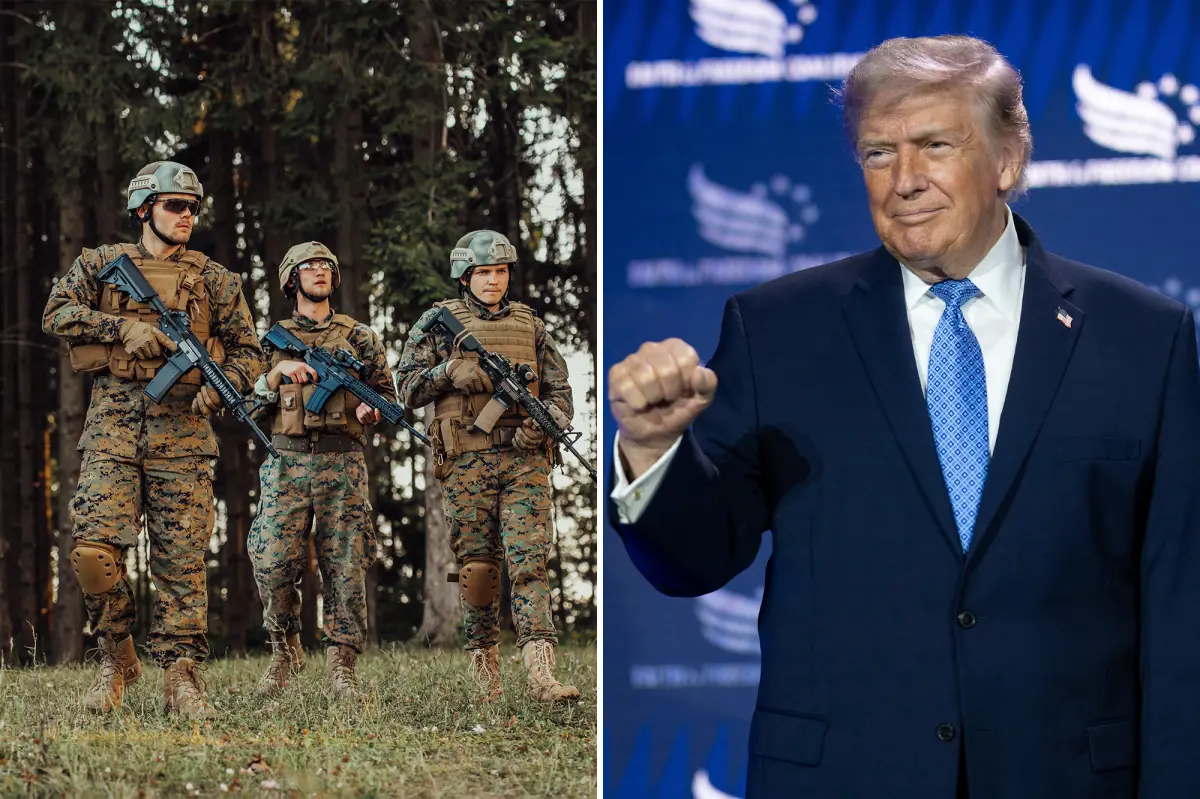
The romantic lives of America’s service members are experiencing an unprecedented boom as the nation approaches its semiquincentennial. According to newly released Pentagon data, active-duty troops and veterans are engaging in more intimate activity under the current administration than in previous years. Data obtained through a Freedom of Information Act request reveals that prescriptions for erectile dysfunction (ED) medications reached an all-time high in 2025. This surge in bedroom-booster drugs paints a picture of a military community that is highly active, resilient, and deeply committed to maintaining healthy personal relationships despite the high-stress demands of military life.
The statistics show a remarkable leap in numbers, with active-duty personnel receiving a record-breaking 108,332 prescriptions for ED medications in 2025. While this staggering total just barely surpassed the previous record of 108,323 prescriptions set in 2024, it represents a substantial 16.5% increase compared to the 92,996 prescriptions recorded in 2021 under President Biden. Though Defense Department officials have not publicly commented on the trend, the data confirms that military medical systems are actively prioritizing the intimate health and marital satisfaction of those who serve, ensuring they have the support required to thrive both in the field and at home.
This trend of prioritizing intimate wellness is not limited to active-duty personnel; it extends deeply into the broader military community, including veterans and their families. In 2025, retired service members, active troops, and their dependents claimed a combined total of 639,355 prescriptions for ED medications, marking a notable increase from the 627,121 prescriptions filled the year prior. Doctors and psychologists have long noted that high-stress environments, physical trauma, and the psychological weight of deployment can impact physical intimacy. By addressing these needs openly, the military is helping service members and veterans maintain vital emotional bonds with their partners.
In managing this massive health initiative for its 1.3 million active-duty troops, the military has managed to keep the program highly cost-effective by utilizing affordable generic drugs. Over the last five years, a staggering 97.8% of all ED prescriptions within the military health system were filled using generic medications rather than expensive brand-name options. In fact, famous brand-name icons like Viagra and Cialis have completely disappeared from the active-duty ledger, recording zero prescriptions in 2024 and 2025. This cost-conscious approach ensures that taxpayers are protected while service members still receive high-quality medical care to support their well-being.
The clear champion of the barracks is generic sildenafil citrate—the active chemical ingredient in Viagra—which accounted for 85,244 active-duty prescriptions in 2025 alone. At the same time, tadalafil, the generic equivalent of Cialis, experienced explosive growth as it marched up to 22,880 prescriptions last year. Even highly specialized therapies, such as the injectable treatment Edex, saw steady utilization, with active troops claiming 197 prescriptions. The diverse medical options available demonstrate that military healthcare providers are tailoring treatments to the unique physical and psychological needs of each individual soldier, sailor, airman, and marine.
Furthermore, the data highlights how these medical services benefit military families as a whole. Dependents of active-duty members accounted for 5,264 prescriptions in 2025. While sildenafil is occasionally prescribed to women for specific cardiovascular conditions, the vast majority of these prescriptions went to male spouses, proving that military households are staying energized. Meanwhile, retired veterans claimed the largest share of the pharmaceutical support in 2025, accounting for 268,678 sildenafil scripts and 221,940 tadalafil scripts. Ultimately, these numbers show that whether they are young personnel facing the physical rigors of deployment or battle-tested veterans enjoying their retirement years, America’s military community remains healthy, connected, and always ready to rise to the occasion.